
- 5W released the “Airlines and Hotels AI Visibility Index.”
- The Index tracks 50 airline and hotel brands across travel queries.
- Loyalty program size does not predict AI visibility.
AI COMMUNICATIONS FIRM 5W released the “Airlines and Hotels AI Visibility Index 2026,” a report measuring how often leading travel brands are cited across applications. The Index tracks roughly 50 airline and hotel brands across travel queries ranging from business-class airlines to family hotel brands.
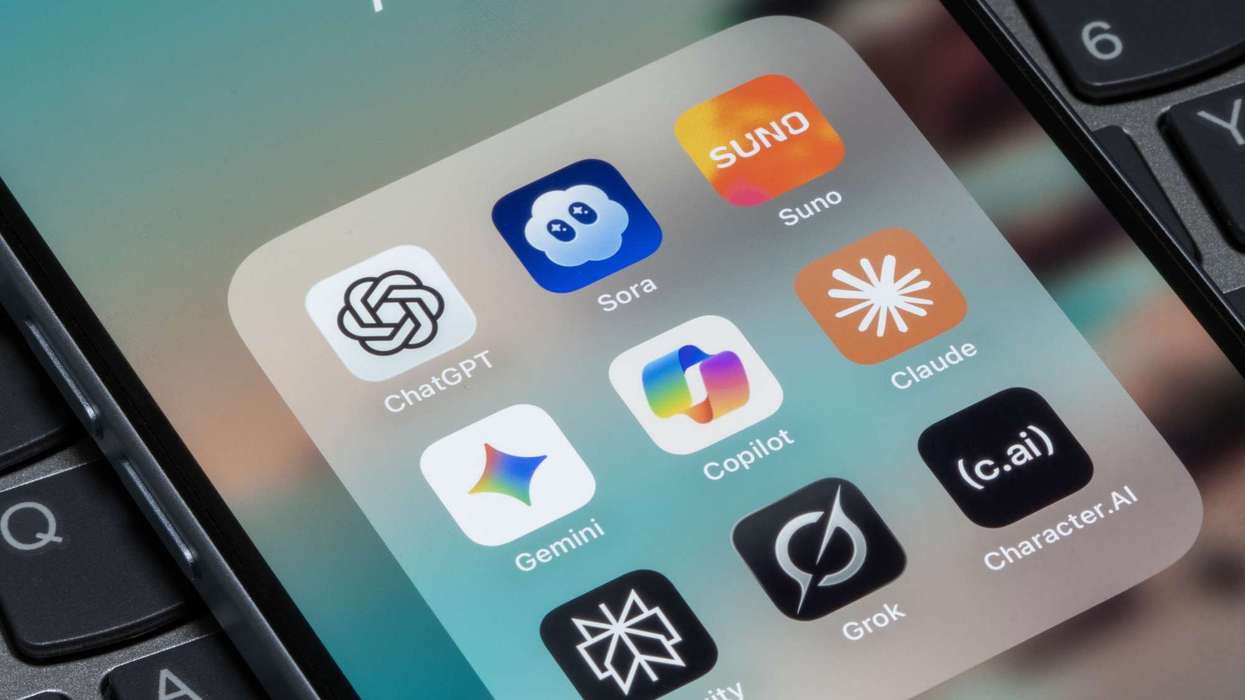
The study benchmarks airline and hotel brands by citation share across large language models and AI search platforms, such as ChatGPT, Claude, Perplexity and Google AI Overviews. It aims to provide a measure of brand visibility as travelers increasingly use AI for trip planning and recommendations, 5W said in a statement.
"The travel category is being reshuffled in real time inside the chatbox," said Ronn Torossian, 5W founder and chairman. "Marriott and Delta spent 20 years winning Google. Whoever wins ChatGPT wins the next 20. This index is the scoreboard and most of the C-suites we talk to have not seen the numbers yet."
The study found a high concentration of AI visibility across both sectors. In several categories, the top three brands account for more than 70 percent of total citation share, leaving the remaining brands to compete for a much smaller portion of visibility.
The results also show that loyalty program scale does not predict AI visibility. Several travel brands with large loyalty programs underperform their market position in AI-generated answers, while smaller brands with stronger earned media footprints capture a larger share of citations.
Marketing spend alone was not a primary driver of visibility. Some of the category's largest advertisers received fewer citations than mid-sized competitors with consistent public relations programs and stronger third-party authority, 5W said. Premium hotel brands also underperformed in broad travel queries despite strong market positions, reflecting limited coverage from the editorial sources AI systems frequently reference.
Across airlines and hotels, earned media emerged as the strongest driver of visibility. Brands with sustained coverage in major publications and established third-party authority consistently ranked ahead of brands that rely primarily on paid media and online travel agency distribution. The gap between the highest- and lowest-performing brands was larger than 5W has observed in other consumer sectors, including beauty, wellness and crisis communications.
Torossian said the gap between marketing spend and AI citation share is one of the largest unmeasured losses for travel brands.
"Loyalty is not protecting the leaders," he said. "Earned media is. So is authority on the third-party sources the engines trust. Brands that build the infrastructure now will compound their lead. Those that wait will inherit answers they did not build."
In May, Wyndham Hotels & Resorts launched a ChatGPT app for hotel discovery and booking, becoming the first major U.S. economy and midscale hotel franchiser to offer a hotel app in ChatGPT.