
- U.S. faces $11B drop in visitor spending.
- International visitor spending forecast to fall 6.3 percent.
- USTA urged Congress to support international tourism.
Total inflation-adjusted travel spending is also expected to decline 0.7 percent to $1.35 trillion. Travel prices are projected to rise 7.2 percent, more than twice the overall inflation rate of 3.4 percent.
“The election is over, but the economic stakes are only getting higher,” said Geoff Freeman, USTA president and CEO. “Travel supports American workers and communities. Congress has a December deadline to protect holiday travel and a new year to reverse the loss of international visitors.”
Congress faces travel industry calls
The association wants Congress to support the travel industry and help bring more international visitors to the U.S. Before the Dec. 11 government funding deadline, it wants lawmakers to approve government funding and make sure Transportation Security Administration officers and air traffic controllers continue to get paid during future funding lapses.
For 2027, USTA wants Congress to renew Brand USA and restore its full funding. It also wants faster visa processing, the removal of unnecessary visa fees and entry barriers and more spending on air traffic control and airport security improvements.
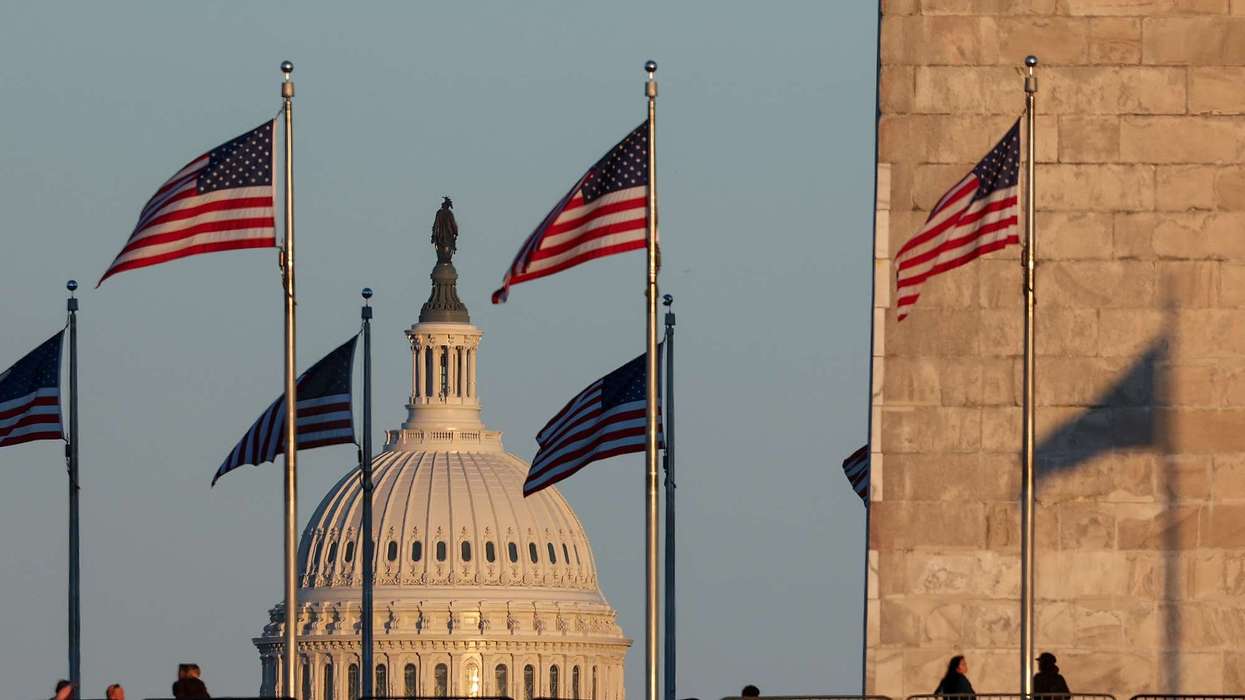 U.S. Travel Association urges Congress to support travel industry funding. Photo credit: Getty Images
The industry's long-term goal is to welcome 100 million international visitors each year by 2030. Travel leaders set this goal after meeting with President Trump at the White House in September. The association estimates that reaching the goal could bring an additional $68 billion in visitor spending each year and support more than 350,000 jobs.
Cities and businesses face pressure
Travel supports more than 15 million jobs in the U.S. and brings in $92 billion in state and local tax revenue. Cities that rely on international visitors could be affected by lower visitor spending, USTA said.
In New York City, international visitors accounted for about half of tourism spending in 2025. The tourism industry as a whole supported 397,000 jobs and generated $7.5 billion in tax revenue.
Miami, Los Angeles, Orlando and San Francisco also depend on international visitors who spend money at local tourism businesses. The association said the projected $11 billion drop puts business activity at risk for companies that serve visitors.
Regional areas that depend on visitors arriving by car also face pressure from higher fuel prices as more Americans choose to travel by car. This creates further challenges for businesses that rely on travel spending.
International arrivals to the U.S. are not expected to return to 2019 levels until 2030. The country's share of global long-haul arrivals has fallen from 10.3 percent in 2019 to 7.7 percent in 2026 and is forecast to decline further to 7.1 percent by 2030.
Freeman said the next Congress should help the U.S. compete by improving travel for Americans and bringing more international visitors, spending and jobs to communities.
Hotel owners, developers and investors face tighter lending, loan refinancing needs and policy uncertainty as Democrats prepare to control both chambers of Congress in January. Peachtree Group CEO Greg Friedman expects continued political gridlock rather than clear policy direction.