
- Democrats to control Congress in January.
- Bank credit conditions tightened in 2026.
- Policy uncertainty complicates investment decisions.
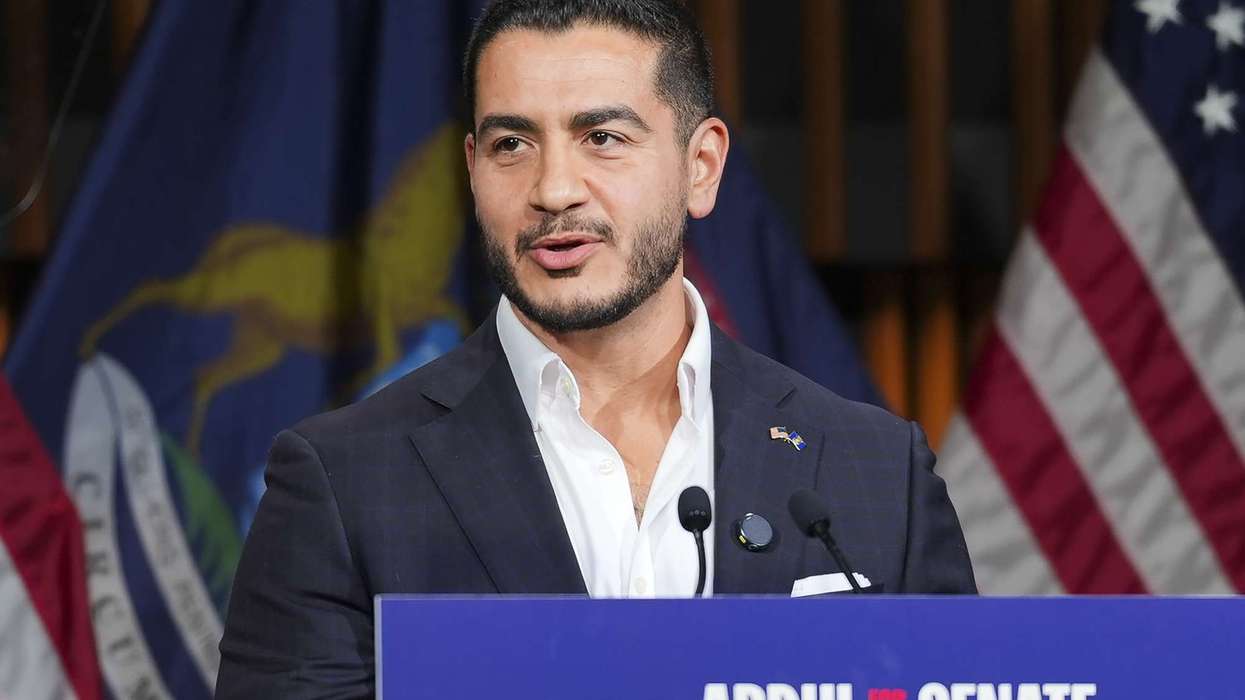
DEMOCRATS WILL NOW control both chambers of Congress from January following the Nov. 3 midterm elections, but that may do little to improve policy predictability. Also, the outcome arrives as hotel owners and developers contend with tighter credit, refinancing needs and uncertainty over the policies that shape long-term investment.
According to NBC News, Democrats won the House and flipped seven Republican-held Senate seats, including in Texas, Kansas and South Carolina. CNBC counted nearly 30 House districts changing hands and MS NOW reported that voter frustration over rising costs helped drive the result.
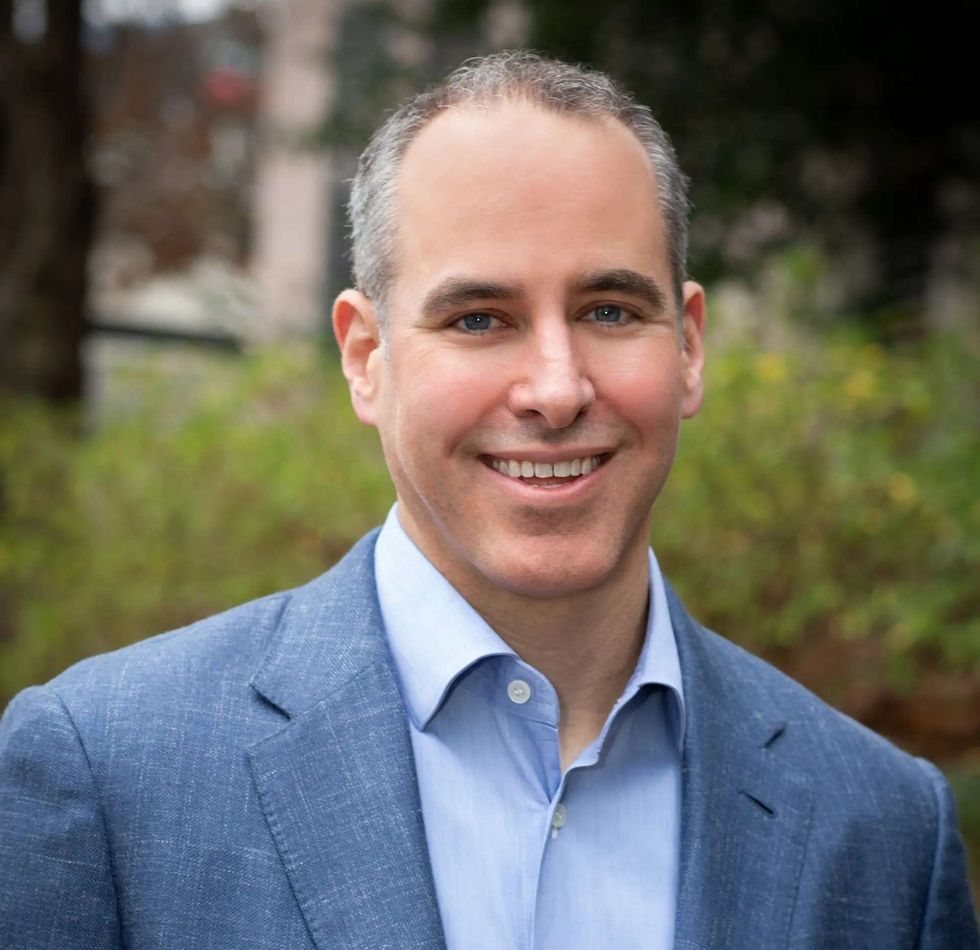 “A Democratic Congress facing a president holding the veto pen points to more gridlock, not resolution,” wrote Greg Friedman, Peachtree’s CEO and principal.Photo credit: Peachtree Group
“Investors can underwrite risk. What is much harder to underwrite is an environment where the rules keep changing,” Greg Friedman, CEO and managing principal of Atlanta-based Peachtree Group, wrote in a LinkedIn post following the election.
Friedman expects continued confrontation, with lawmakers focused on winning political arguments rather than finding common ground. A Democratic Congress facing a president holding the veto pen, he wrote, points to “more gridlock, not resolution.”
Markets cheer, uncertainty lingers
The initial market response was positive. CNN reported that the S&P 500 rose 1.58 percent on Nov. 4, its second-best post-midterm session since 1982, as investors bet that divided government would restrain spending.
Analysts caution, however, that gridlock does not end uncertainty. Morgan Stanley noted that executive actions and agency rule changes can still move markets when Congress stalls. Analysts surveyed by Reuters pointed to trade, tariffs and foreign policy as areas where the president retains influence, and Charles Schwab has flagged the risk of clashes over government funding and the debt limit.
Strong hotels, cautious capital
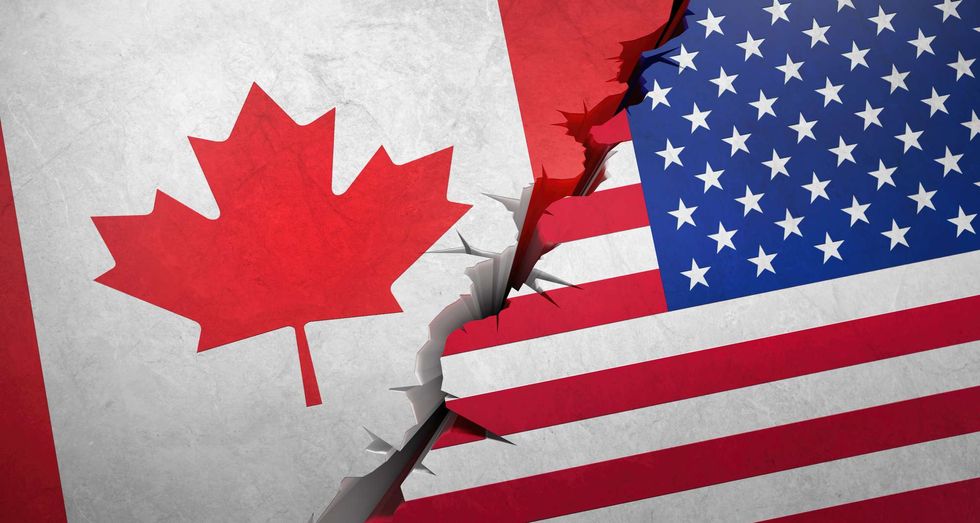 Analysts flagged rising hotel costs and prolonged U.S.-Canada trade tensions as headwinds.Photo credit: iStock
The U.S. hotel operating environment has been resilient in 2026. As Asian Hospitality reported, CoStar and Tourism Economics raised their forecast in August after the industry sold a record number of room nights in the first half, 11.4 million more than in 2025.
In their August forecast release, the firms raised their 2026 RevPAR growth projection by 1.6 percentage points and ADR growth by 1.1 points, lifted expected occupancy to 63.1 percent and projected a 4 percent rise in GOPPAR. They also warned that hotel expenses are rising faster than inflation and flagged prolonged U.S.-Canada trade tensions as a headwind.
Financing is a different story. The Federal Reserve’s “October 2026 Senior Loan Officer Opinion Survey” found that banks tightened lending standards for all commercial real estate loan categories, including construction and land development, and reported weaker demand across all of them.
Lender sentiment has also slipped. The CRE Finance Council’s Board of Governors Sentiment Index, a quarterly gauge of CRE finance executives’ outlook benchmarked at 100 in late 2017, fell 17.5 percent to 83.3 in the third quarter, its lowest reading since 2023. Respondents faced a 10-year Treasury yield near 5 percent, about a point higher than a year earlier and 92 percent expected mortgage and cap rates to weigh on their businesses over the next year. They also cited political uncertainty ahead of the midterms.
Waiting for clarity
Friedman points to geopolitical events, trade policy, the deficit and the broader economy as factors that make it hard to price risk and commit capital with confidence. Ongoing political conflict, he wrote, “adds another layer to already complicated investment decisions.”
For hotel owners approaching loan maturities and developers weighing new projects, the question is whether the assumptions behind their financial models will hold. “Investors need some confidence that the policy assumptions behind their decisions will hold,” Friedman wrote.
His conclusion was direct.
“I’d welcome less fighting and more governing,” he said. “But until we see it, I’m not counting on Washington to deliver the clarity investors want.”