
- New corridors support longer hotel trips.
- Bengaluru RevPAR reached 25 percent.
- Midscale hotels account for 60 percent.
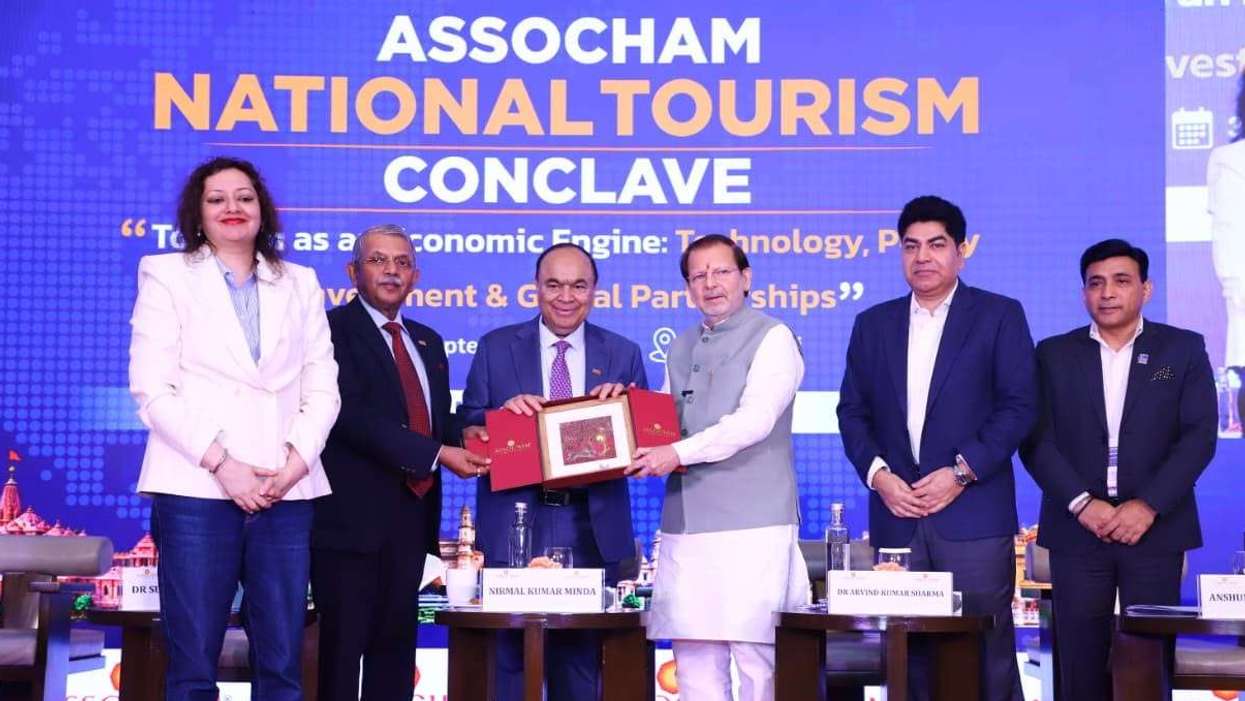
“The next phase of tourism growth will require us to look beyond increasing tourist numbers and focus on building new destinations, creating new experiences and improving destination management,” said Gajendra Singh Shekhawat, Union tourism minister.
Roads change travel routes
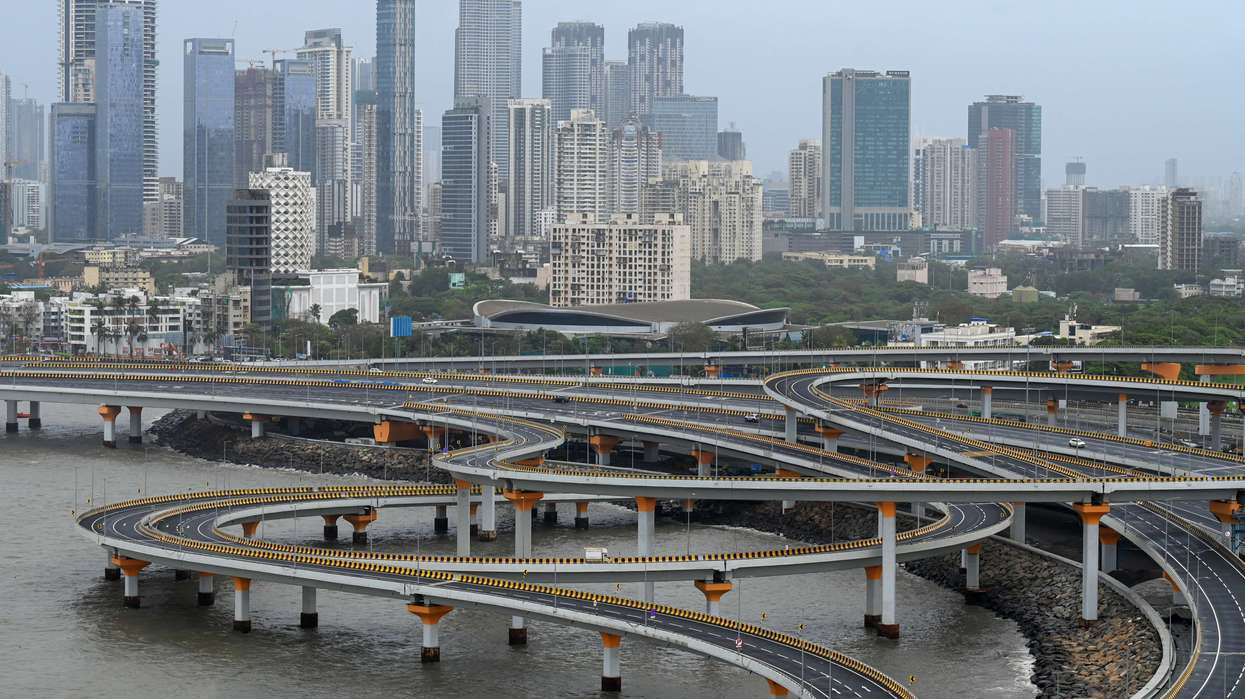 Photo credit: Getty Images
The report’s infrastructure data shows how new expressways are connecting destinations that can now be combined into longer trips. The Delhi-Mumbai Expressway links Jaipur, Ranthambore, Sariska and Ahmedabad, while the Samruddhi Mahamarg connects Shirdi, Nashik, Trimbakeshwar and the Ajanta and Ellora caves.
The Bundelkhand Expressway brings Khajuraho, Orchha, Chitrakoot and Jhansi into one travel circuit. Upcoming corridors, including the Char Dham Mahamarg, Shaktipeeth Expressway and Somnath-Dwarka Expressway, could extend this network further.
Rail is adding another layer to this change. Tourism circuits, luxury heritage journeys and panoramic coaches are giving rail travel a stronger role in tourism, while high-speed rail growth is concentrated along several pilgrimage corridors.
These links can change how travelers plan trips. Destinations that were once visited separately can now be combined more easily, creating longer itineraries and potentially increasing demand for hotel rooms in places that previously had limited branded supply.
Anshuman Magazine, CBRE chairman and CEO for India, South-East Asia, Middle East and Africa, said new expressways, rail routes and regional airports have made more destinations accessible than five years ago
“The harder part sits at the destination itself: rooms, trained people and the right assets for each type of traveler,” Magazine said.
A wider hotel recovery
Occupancy in India’s organized hotel sector rose to 64.1 percent in 2025 from 42 percent in 2021. Average daily rate growth has pushed RevPAR above pre-pandemic levels, pointing to a broader and more established demand base.
Uttar Pradesh shows how changing tourism patterns are shaping hotel supply. Hotel inventory in the state grew 18 percent since 2021, while the midscale share increased from 15 percent to 19 percent, reflecting demand from pilgrimage and religious tourism in destinations such as Ayodhya and Varanasi.
City-level data shows how this demand varies by market. Goa is running at 75 to 80 percent occupancy, Jaipur at 62 to 67 percent, while Bengaluru recorded RevPAR growth of 20 to 25 percent year over year.
The growth is not limited to luxury hotels. Economy, upper midscale and midscale hotels account for nearly 60 percent of branded room stock, giving these segments a large share of the organized hotel market.
Where investment is moving
The report identifies several tourism segments with different hotel and real estate needs, including spiritual travel, MICE, destination weddings, wellness, medical travel, cruise tourism, rural tourism and wildlife lodges.
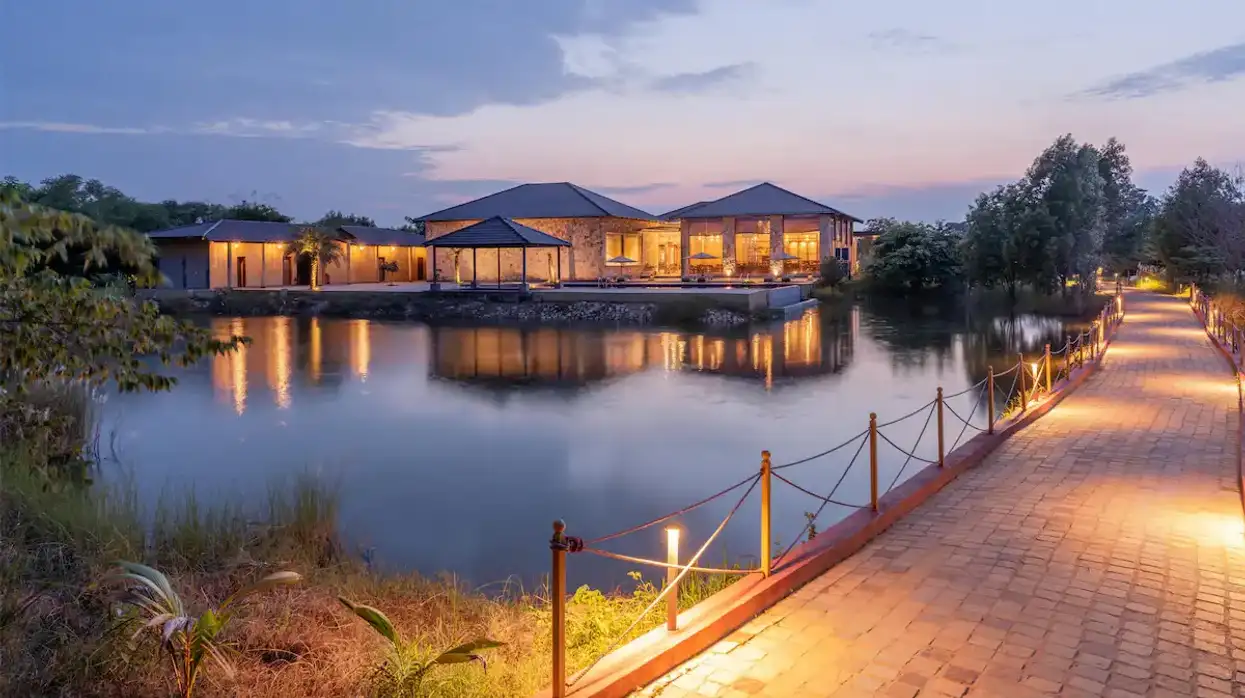
Wildlife lodging is one potential growth area. Branded operators are entering markets near reserves such as Ranthambore and Satpura, where regulations near reserve boundaries can limit new supply while demand remains strong.
MICE is another area where the report sees a supply gap. Growing convention and event activity in emerging cities could create demand for more hotel rooms. The midscale segment remains important as more Indians travel and demand grows for organized hotels at different price points.
Green hotels and eco-lodges, local communities, offbeat places and low-carbon travel are gaining attention, while new resorts are using solar power, rainwater and local materials with smaller designs.
Another CBRE report projects India’s listed hotel operators will add more than 70,000 rooms by 2030.