
- Choice is acquiring Harvest Hosts for about $130M.
- Harvest Hosts sells annual memberships, not hotel rooms.
- Choice has not said how many hotel nights it could generate.
CHOICE HOTELS INTERNATIONAL’S $130 million acquisition of Harvest Hosts would bring in revenue independent of hotel room sales as supply declines. The open question for franchisees is whether RV travelers will become hotel guests.
Choice agreed to acquire 100 percent of Harvest Hosts from growth equity firm Stripes and other shareholders in an all-cash deal at an enterprise value of about $130 million, according to its Sept. 30 announcement. It will fund the purchase with cash on hand and borrowings under its revolving credit facility.
The deal is expected to close Oct. 1, subject to customary conditions, and is not expected to materially affect 2026 results.
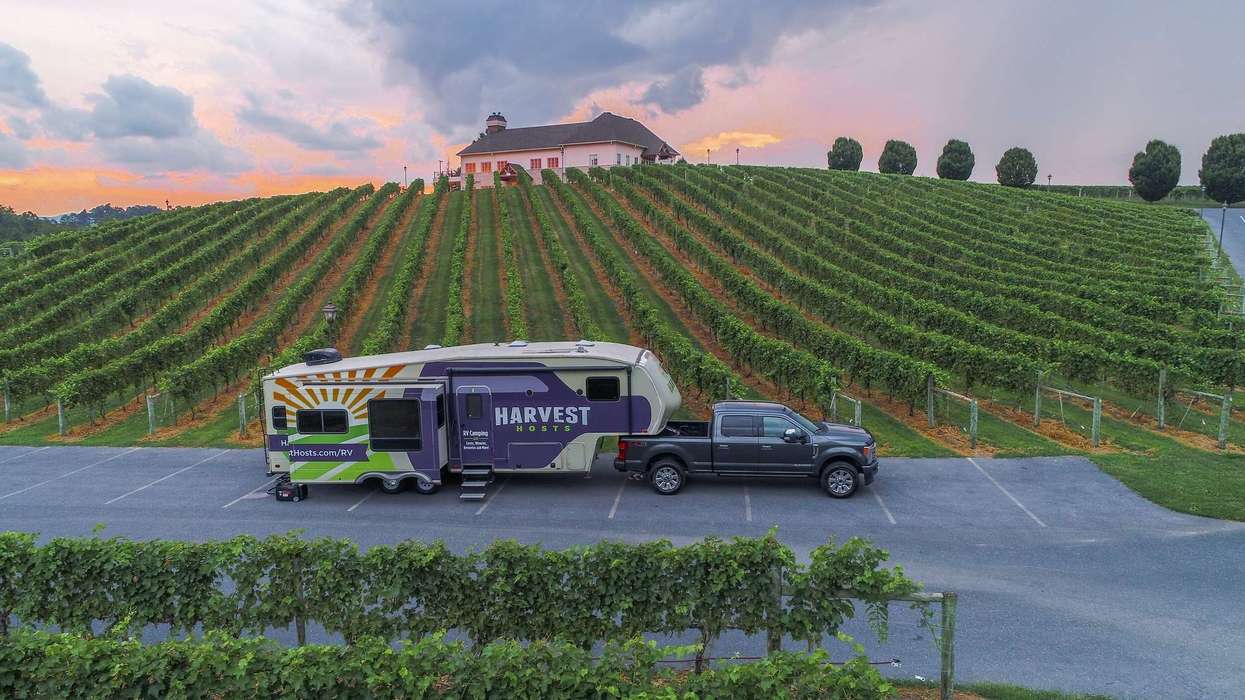
Harvest Hosts connects RV travelers with more than 11,200 locations, including wineries, farms, breweries and museums, according to Choice. The announcement describes it as the largest private RV camping network in North America, a company claim. Members pay an annual fee and stay overnight without nightly camping fees. The company also operates Escapees RV Club, Boondockers Welcome, CampScanner and Brit Stops, which serves the U.K. and Ireland.
Harvest Hosts will keep its brand and operate as a standalone business. CEO Joel Holland will stay, and the full team will become Choice employees at close. Stripes invested in the company in 2021.
"Together we offer even more stay options for both of our companies' guests," said Dom Dragisich, Choice's president and CEO.
Franchising model in need of augmentation
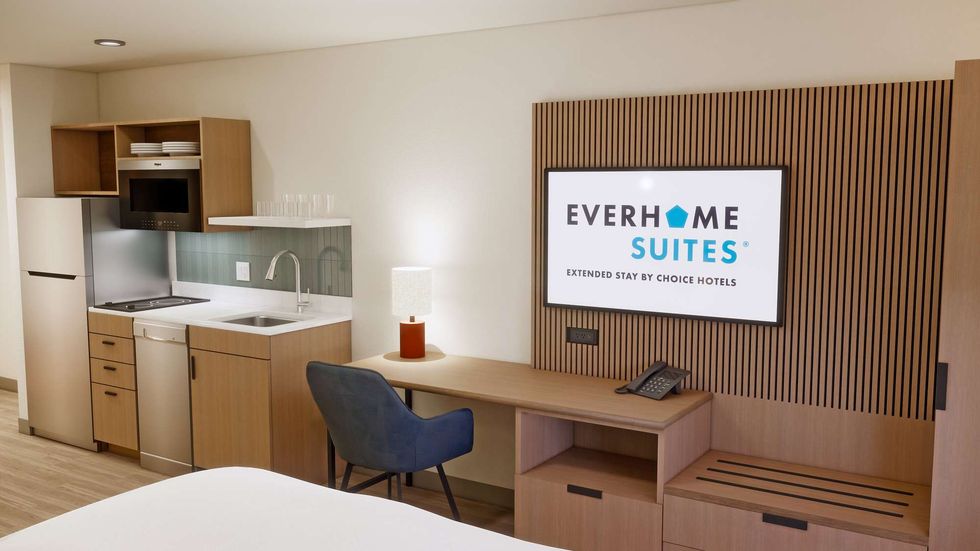 Everhome Suites is Choice Hotels’ fast-growing extended-stay brand, with 30 hotels and 3,451 rooms as of June 2026. Photo credit: Choice Hotels International
Choice's core business is hotel franchising. In the second quarter, it reported $187.5 million in franchise and management fees, up 6 percent, against $277.4 million in revenue excluding reimbursable costs, according to its August earnings release. Those fees include royalties on franchised hotels. Choice's U.S. average royalty rate was 5.2 percent in the second quarter.
Harvest Hosts works differently. Members pay an annual fee, so its revenue does not depend on a hotel room sale. Choice's U.S. room count remains under pressure. It had 499,226 U.S. rooms by June 30, down 0.3 percent from a year earlier, while U.S. RevPAR rose 1.3 percent.
U.S. upscale, extended-stay and midscale rooms rose 0.7 percent, while economy rooms declined. Global rooms rose 2.6 percent to 661,089, with international rooms up 12.5 percent. Its 77,300-room global development pipeline is 96 percent concentrated in extended-stay, midscale and upscale brands.
Choice said many travelers use both hotels and RVs and that Choice Privileges members over-index among RV travelers, citing research it did not name. It said the overlap could help deepen engagement with existing members, introduce more travelers to Harvest Hosts and support growth at both businesses. The announcement does not say how Harvest Hosts members would be steered to Choice hotels.
Choice's case rests on that overlap. Members who stay at host sites pay no nightly camping fee, so those stays are not hotel nights. The deal could allow Choice to reach the same travelers across both lodging models, while its loyalty program provides a link between them. Choice also said the acquisition fits its long-term asset-light strategy, which emphasizes growth without owning hotel real estate. The announcement offers no figures on the size of the member overlap.
What the deal has to prove
 In June, Choice launched its “Detours Worth Taking” guide to help travelers explore more on summer road trips.Photo credit: Choice Hotels International
There are two ways the deal could work. Choice could sell more Harvest Hosts memberships to its loyalty members, which would grow Choice's own revenue. Or Harvest Hosts members could book more Choice hotels, which would support franchisee revenue. The announcement makes the first opportunity clearer than the second.
The first test is demand. In its August earnings release, Dragisich said Choice's biggest opportunity is to improve franchisee economics by delivering more and better guests while lowering operating costs. U.S. RevPAR at Econo Lodge and Rodeway fell 0.7 percent in the second quarter, underscoring the challenge in some of Choice's economy brands.
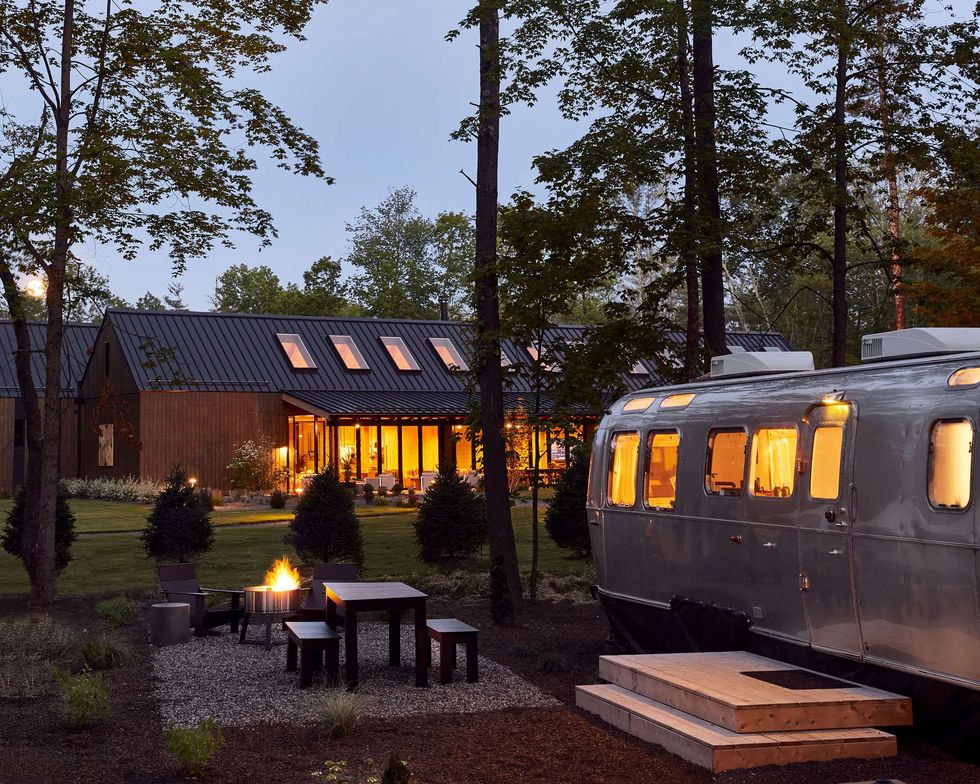 In February, Hilton partnered with AutoCamp to offer outdoor lodging in natural settings. Photo credit: Hilton Worldwide Holdings
RV travel can also compete with hotels. RVshare, an RV rental marketplace, found 87 percent of travelers would likely choose an RV over other lodging for a national park trip. Its survey of 1,000 U.S. adults does not show that Harvest Hosts takes nights from Choice hotels. It does show that RVs can be an alternative to traditional lodging for some trips.
Outdoor travel is also becoming part of other major hotel companies' strategies. Hilton, Hyatt and Marriott have reached outdoor travelers through partnerships and brands focused on outdoor stays. Choice says it is extending its value-minded focus into outdoor travel.
The second issue is missing data. Choice has not said how many Harvest Hosts members are Choice Privileges members, how many hotel nights the deal could generate, or what Harvest Hosts earns. Those figures will be needed to assess how the acquisition contributes to Choice's hotel business.
Two early signs will show which path Choice pursues: whether Choice Privileges members are offered Harvest Hosts memberships and whether Harvest Hosts members are offered Choice hotels. The resulting bookings will show how much of the benefit reaches franchisees.