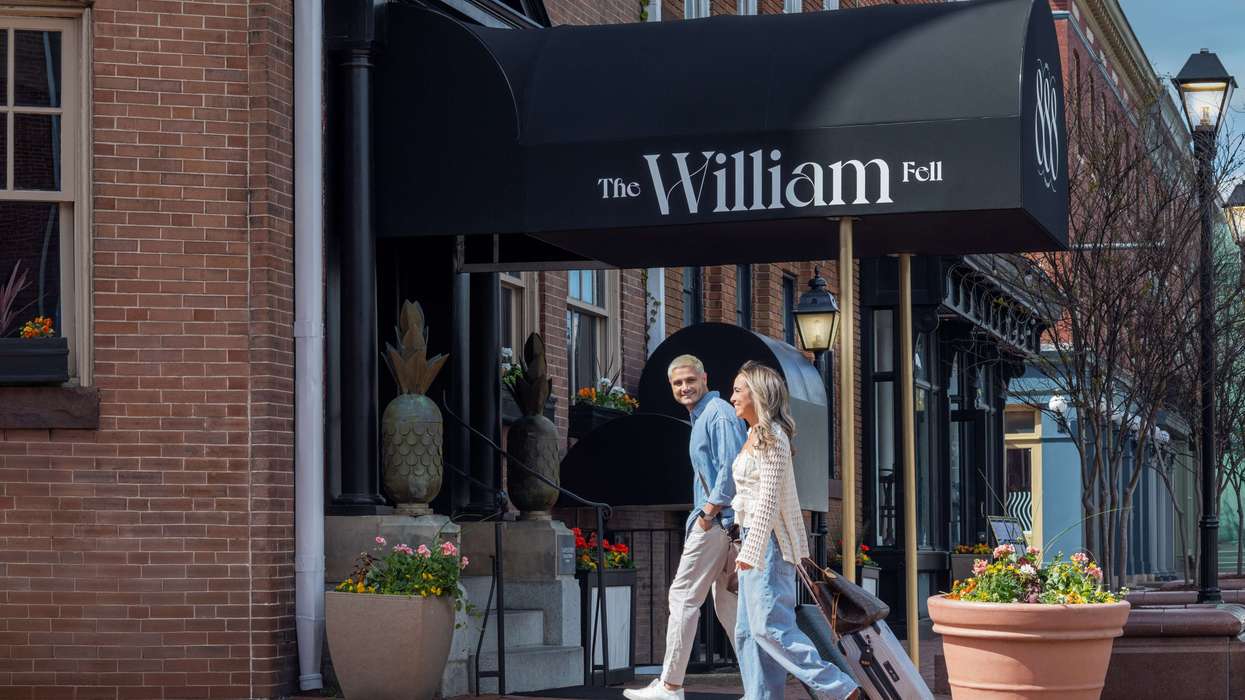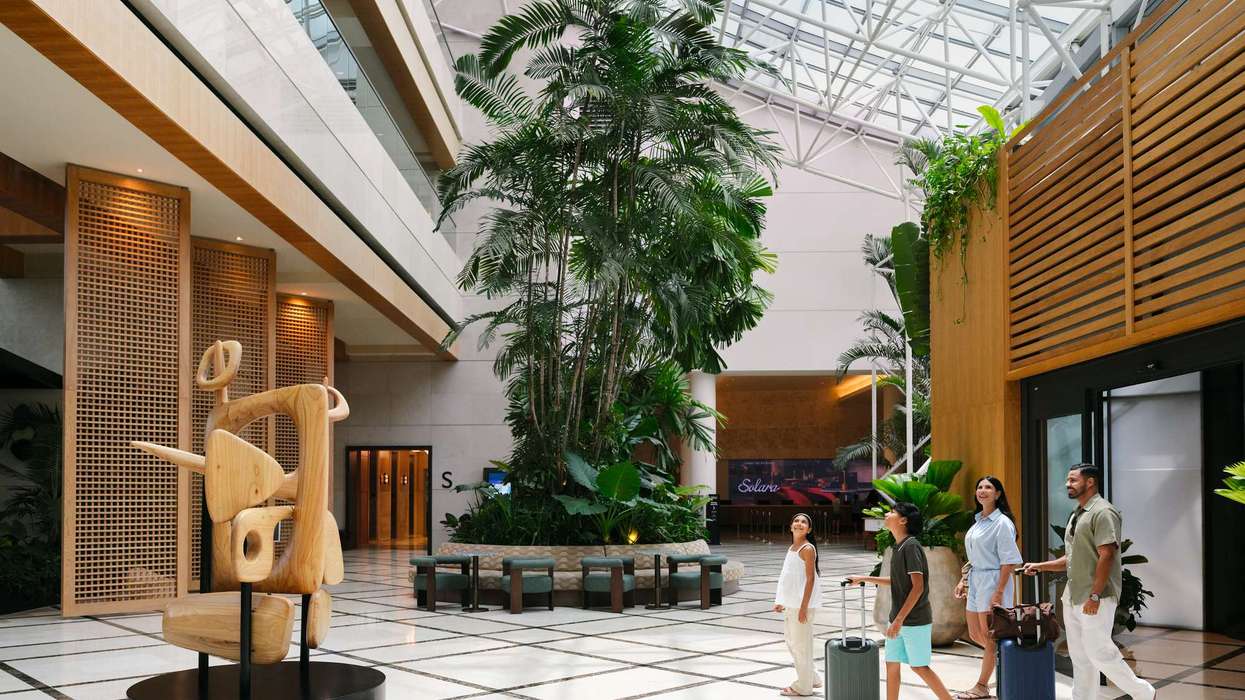

- Shorter trips becoming more valuable to travelers.
- Wellness and nature shaping hotel experiences.
- Location, loyalty and service gaining importance.
TRAVELERS ARE MOVING away from the idea of the perfect vacation and toward trips that fit their schedules, interests and need for restoration, according to Hilton Worldwide Holdings. That shift could change what guests value in a hotel and how owners and developers think about the product they build.
Hilton’s 2027 Trends Report, “The Great Rebalance: How Travelers Are Expecting to Reset and Recalibrate in 2027,” found that 67 percent of travelers want trips that allow them to experience a lot in a short time. Another 63 percent prefer to stay somewhere central with plenty to do nearby.
“We’re seeing that travelers are less interested in someone else’s definition of perfection and more focused on planning travel on their own terms,” said Chris Nassetta, Hilton president and CEO. “As traveler expectations continue to evolve, it’s our phygital innovations, the seamless blending of physical environments and human touch with digital products, that will help guests make the most of their travel experience.”
The findings point to a time constraint shaping travel. Travelers still want meaningful experiences but increasingly want to fit them into shorter periods away from home. For hotels, that puts greater importance on how quickly a property can deliver value.
The move away from the “perfect” vacation is also visible in how travelers use hotels. Aroudn 54 percent feel some pressure to have the perfect trip, while 24 percent try to accommodate a group and keep others happy. Meanwhile, 31 percent have traveled solo to meet friends or family at their destination.
Location and access become hotels’ priorities
 Zemi Miches Punta Cana All-Inclusive Resort, Curio Collection by Hilton, in Miches, Dominican Republic. Photo credit: Hilton Worldwide Holdings
For owners and developers, the key question is what happens when a guest has only a few days to experience a destination, Hilton said. Location, programming and ease of access can become part of the product because time spent traveling between experiences reduces the time available to enjoy them.
Around 76 percent of travelers see a trip on the calendar as a purpose to work toward. Another 42 percent say travel has helped them discover new interests or passions. Gen Z travelers are nearly twice as likely as Baby Boomers to want to return home with a new hobby or interest they can continue pursuing.
Wellness is also becoming part of the value travelers seek. Around 65 percent actively seek experiences that calm the body and reset the nervous system, while 76 percent view travel as a way to recharge mentally and physically in ways they cannot easily achieve at home.
Nature plays a central role. About 79 percent say fresh air and the outdoors are essential to how they relax while traveling, while 54 percent spend more time immersed in nature during travel than at home. Hilton cited Conrad Orlando’s outdoor Water Garden as an example, where monthly outdoor bath treatments have increased 60 percent year over year.
The implication for developers is not that every hotel needs extensive wellness facilities. Rather, restoration, convenience and access to experiences are becoming part of the value proposition. A central location, outdoor space or destination-specific programming can help a short-stay guest make better use of limited time.
Loyalty and service add another layer
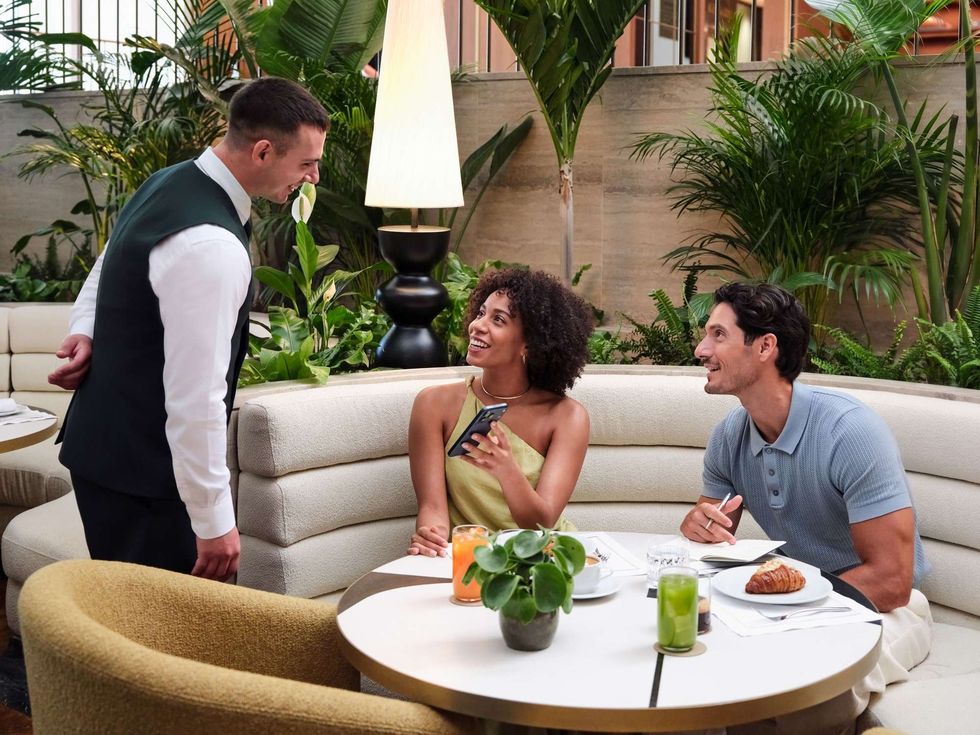 Conrad Athens The Ilisian, Athens, GreecePhoto credit: Hilton Worldwide Holdings
Loyalty status is also shaping trust. Half of travelers or 50 percent are more likely to trust recommendations from people with loyalty status, while 29 percent are jealous of friends with higher status.
Human service remains important as AI becomes more involved in travel planning, the report said. About 70 percent of travelers trust hotel staff as a travel-planning resource. Hilton also reported double-digit growth in elite-tier status earned by members since its Hilton Honors changes in January.
The definition of a short trip varies by market. Around 88 percent of U.S. travelers consider fewer than three to four days a short trip, compared with 86 percent in Japan and 59 percent in South Korea. Saudi Arabia and Germany have broader definitions, with travelers there more likely to consider five to six days or longer a short trip.
For owners, operators and investors, the larger signal is not simply that travelers want shorter trips. It is that they want more value from each day away. That puts greater emphasis on properties that combine convenience, restoration, connection and experiences within the limited time travelers have.
Amex GBT Consulting’s Hotel Monitor 2027 found that U.S. hotel rates are set to rise across most major markets in 2027, giving hotels an advantage in negotiations with buyers.