
- PRISM, FICCI target events sector gaps.
- Events generate up to 2.03x economic activity.
- Outstation visitors drive 75 percent of spending.
The partnership comes as India’s events sector grows, increasing the need for common industry standards. The government of India set up the Live Event Development Cell to address regulatory, safety and infrastructure issues in the sector.
“Events require coordination in hospitality, technology, operations, stakeholder management, safety and security,” said Varun Jain, PRISM chief operating officer. “This partnership with FICCI will combine PRISM’s on-ground expertise with FICCI’s reach and policy role to support more professional and safer event management in India.”
Events bring more visitors
A KPMG report on India’s events and experiences industry shows the sector’s growing economic size. It includes about $4.85 billion in MICE activity, $1.41 billion in organized live events and $1.96 billion in commercial sports. Wedding-related household spending is about $67.43 billion.
It shows how event spending moves through the wider economy. For every 1.04 U.S. cents spent directly on an event, it creates about 1.51 U.S. cents to 2.11 U.S. cents in total economic activity, with MICE recording the highest impact at 2.03 times the initial spending.
More than 54 percent of event visitors travelled from outside their home city and these visitors account for nearly 75 percent of total visitor spending. They also spend more on travel, hotels and other services.
More than 51 percent of visitors said the event was the main reason for their trip. This means major events can bring additional demand for hotels, restaurants, transport and retail businesses in host cities.
The industry is also reporting higher revenue. Nearly 95 percent of organizers reported revenue growth over the past two financial years, while 85 percent plan to enter new event categories or markets over the next two years.
Where the gaps are
The KPMG report also points to some of the sector’s main challenges. About 80 percent of event organizers said getting event permits is difficult, while complex rules, limited funding and infrastructure gaps remain key issues.
The report calls for easier approval processes, better support for contract and gig workers, more event facilities in tier-two and tier-three cities and stronger safety and cancellation plans.
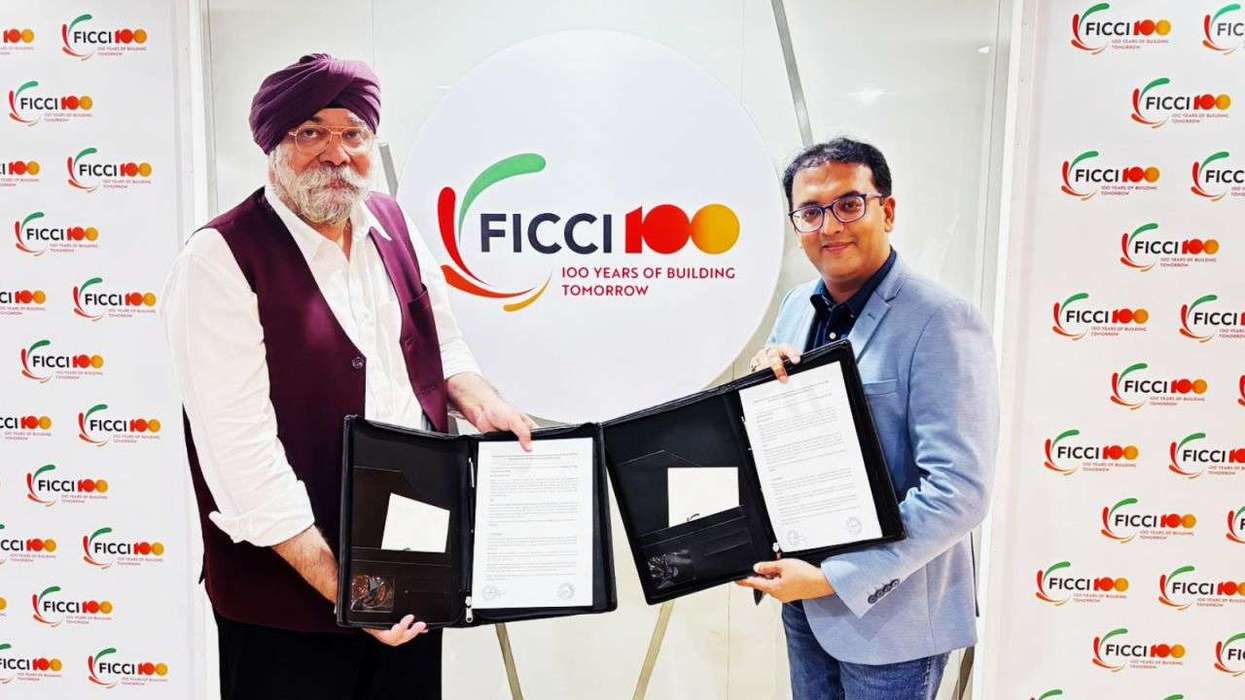
The PRISM-FICCI partnership covers several of these areas. Under their memorandum of understanding, the two organizations will work on event planning and safety standards, joint workshops and training, certification programs for event professionals and reports on industry trends and consumer needs.
Anant Swarup, FICCI general secretary, said India’s events sector is growing faster than its safety, standards and skills frameworks.
“Our partnership with PRISM will bring an on-ground industry operator into the process of developing stronger benchmarks,” Swarup said.
Separately, PRISM is planning a $700 million IPO this fiscal year and preparing for higher tourism demand in Nashik.