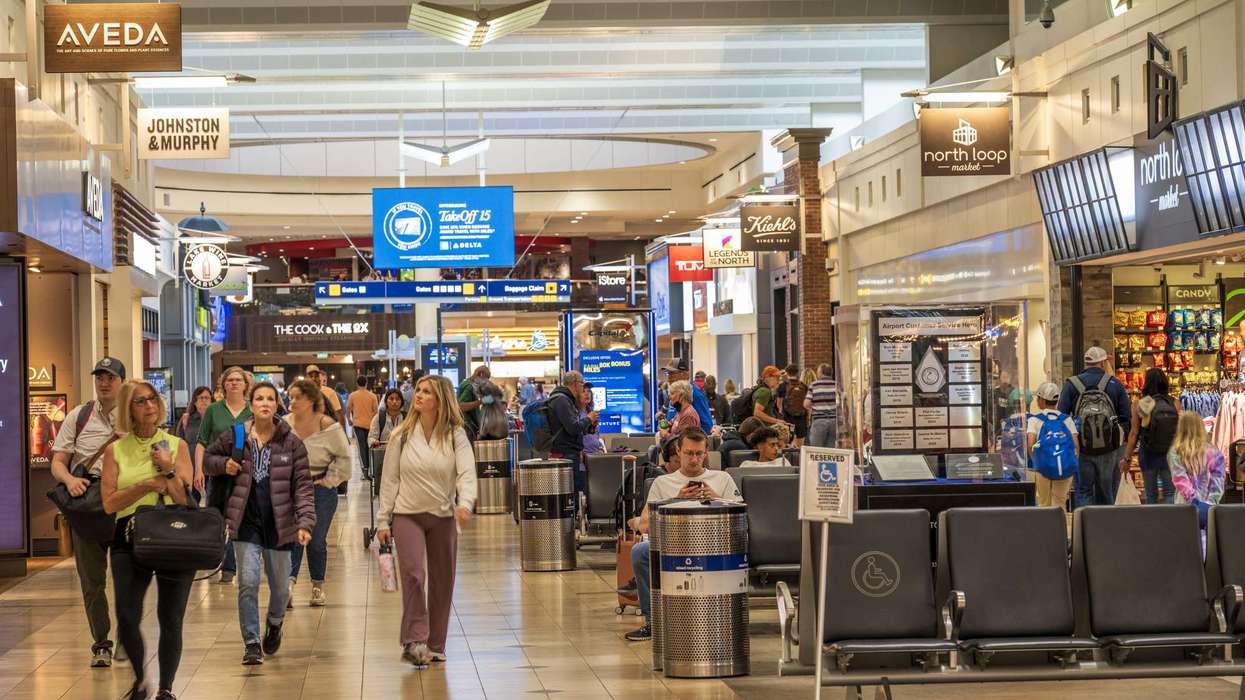

- WTTC/Chase Travel: Global travel generated $11.6 trillion in 2025.
- The industry supported 366 million jobs, 10.9 percent worldwide.
- North America grew 1 percent, with travel and tourism GDP of $3.05 trillion.
GLOBAL TRAVEL AND tourism generated $11.6 trillion in 2025, equal to 9.8 percent of the global economy, according to the World Travel & Tourism Council and Chase Travel. The sector’s economic contribution increased 4.1 percent year over year in 2025, exceeding global economic growth of 2.8 percent by almost 50 percent.
WTTC’s “Economic Impact Research” found that travel and tourism supported 366 million jobs, 10.9 percent worldwide in 2025, a figure greater than the population of the U.S. The sector accounted for 1 in 3 new jobs created globally.
“Despite the global challenges of 2025, the travel and tourism sector had its best year,” said Gloria Guevara, WTTC president and CEO. “In a record year, the sector contributed $11.6 trillion to the global economy. This performance underscores its economic strength, resilience and ability to outpace global growth.”
The performance confirms travel and tourism as both a driver of recovery and a force shaping the global economy, WTTC said.
He said the scale of global travel is remarkable.
“With 1.54 billion international overnight arrivals this year, equal to 4.2 million people travelling each day, the sector continues to connect the world, surpassing last year’s levels and pre-pandemic benchmarks,” Guevara said.
Regional outlook
WTTC’s data shows regional differences in performance, with Asia-Pacific the fastest-growing region and North America lagging other major markets. Asia-Pacific recorded the highest travel and tourism GDP growth in 2025 at 8.1 percent, reaching $3.29 trillion, driven by reopening, international demand and regional connectivity.
In contrast, North America grew 1 percent, with travel and tourism GDP at $3.05 trillion, reflecting slower international visitor recovery and mature market conditions, WTTC said. The regional imbalance shows how policy, investment and openness shape growth across markets.
“What we’re seeing today is not just sustained demand for travel and tourism, but a reacceleration, as travellers prioritise experiences and plan with greater intention,” said Jason Wynn, Chase Travel CEO. “At the same time, recovery remains uneven across markets, with affordability and capacity constraints influencing where and how people travel. In this environment, delivering end-to-end journeys, expanding access and connectivity and investing in more flexible travel experiences will be critical for the industry.”
A recent report by WTTC found that the conflict in Iran is costing the global travel and tourism sector $600 million per day in international visitor spending. Disruptions to air travel, traveler confidence and regional connectivity are reducing demand across the Middle East.