
- California introduced a bill requiring hotels to disclose ICE, CBP stays.
- AAHOA urged lawmakers to reject the bill.
- Its members own about 61 percent of California hotels.
CALIFORNIA INTRODUCED ASSEMBLY Bill 2721, which would require hotels to disclose reservations involving U.S. Customs and Border Protection and Immigration and Customs Enforcement. Hospitality association AAHOA opposed the measure and urged the California State Assembly to reject it.
The bill, introduced by Assemblyman Juan Carrillo, would require hotel operators to post notices disclosing reservations involving ICE or CBP that are known or reasonably should be known, to the hotel, according to California Legislative Information. Hotels would also have to identify the agency and the duration of its stay before and during covered reservations.
AAHOA members own about 61 percent of California hotels, including many family-owned properties operated by immigrant entrepreneurs facing rising labor, insurance and regulatory costs.
AAHOA said the bill raises operational, privacy and legal concerns for hotel owners.
“The bill’s ‘knows or should have known’ standard could expose operators to liability over subjective determinations involving government-related reservations,” the association said in a statement.
AAHOA Chairman Rahul Patel said the bill could undermine hotel operations and guest trust.
“As a hotel owner, I understand firsthand how important guest privacy, safety and operational consistency are to our industry,” Patel said. “AB 2721 places hotel owners in an impossible position by requiring businesses to make subjective determinations about government-related reservations while exposing them to potential legal consequences. This measure creates confusion, uncertainty and additional burdens for hotel owners throughout California.”
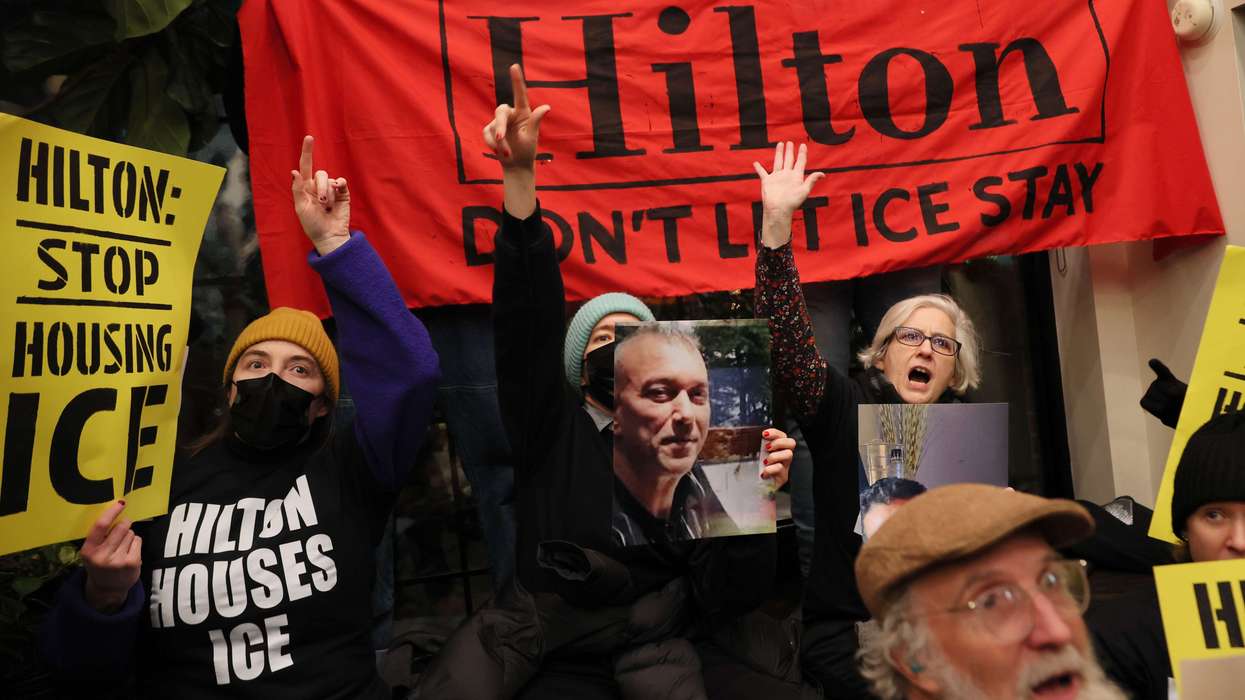
However, supporters of the bill said it would inform hotel workers and guests when federal immigration agencies are staying at a property. They also said the legislation would increase transparency around immigration enforcement activity.
Laura Lee Blake, AAHOA president and CEO, said hotels are places of lodging, not political battlegrounds.
“AB 2721 forces hotel owners into the role of monitoring and publicly disclosing government-related guest activity,” she said. “That creates legal uncertainty and safety concerns, particularly for small and independent owners who lack the compliance infrastructure of larger corporations.”
California’s Unfair Competition Law authorizes civil penalties and injunctions for unfair competition and permits enforcement actions by specified public attorneys, including the attorney general, certain city attorneys and county counsels, California Legislative Information said.
AAHOA said it would continue working with hospitality groups and coalition partners to oppose AB 2721 and urged lawmakers to reject the bill.
The American Hotel & Lodging Association joined AAHOA in welcoming the Los Angeles City Council’s decision to delay a $30-an-hour minimum wage for hotel workers from 2028 to 2030. Negotiations over implementation of the Citywide Hotel Worker Minimum Wage Ordinance are ongoing.