
- Survey respondents expect 2027 RevPAR growth up to 3 percent.
- Many consider brand or management changes.
- Profit per available room to grow 1 percent.
HOTEL OWNERS EXPECT revenue to keep growing in 2027, but most anticipate modest gains, according to the Hospitality Asset Managers Association’s Fall 2026 Industry Outlook Survey. The shift puts profit margins, rather than revenue growth alone, at the center of investment decisions.
The survey gathered responses from 72 asset managers, representing about one-third of HAMA’s membership. While 97 percent expect RevPAR growth to continue into 2027, 61 percent anticipate increases of just 1 percent to 3 percent.
“To date, 2026 has been very good for hoteliers, with a majority of our respondents enjoying marked increases in RevPAR and gross operating profit; however, margins continue to be strained with increased costs,” said Dina Winder, HAMA president.
Revenue gains, profit pressure
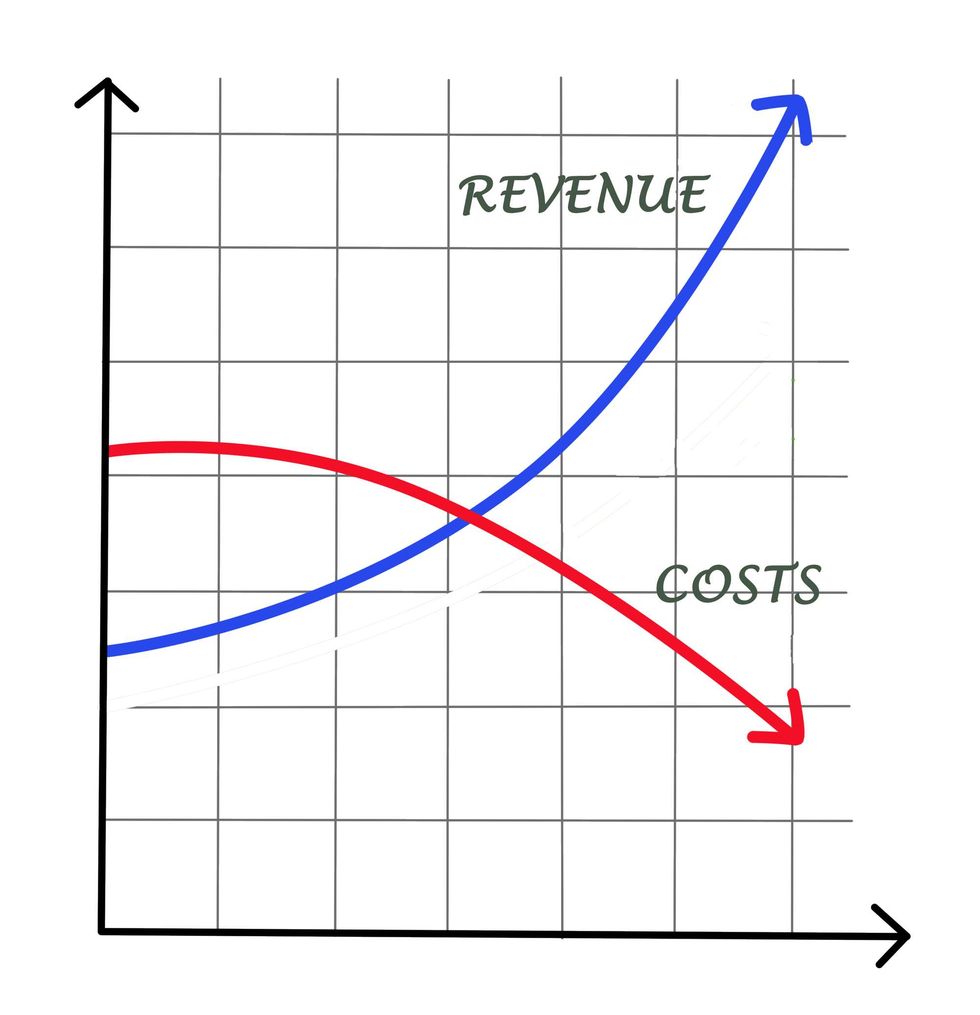 Revenue growth outpaces profit gains as costs rise. Photo credit: iStock
The HAMA survey points to a gap between revenue expectations and profit performance. Approximately 57 percent of respondents expect more than half of their hotels to beat their full-year RevPAR budgets, while 51 percent anticipate more than half of their properties to meet GOP projections, according to the findings.
A separate U.S. hotel forecast from CoStar and Tourism Economics projects GOPPAR to increase 4 percent in 2026 and just 1 percent in 2027.
STR President Amanda Hite said expenses were increasing faster than inflation in both years.
The figures highlight the financial risk for owners. RevPAR measures room revenue against available room capacity, but it does not account for operating expenses. Higher room rates or occupancy can increase revenue without producing a comparable gain in profit.
That distinction matters when owners evaluate asset performance, acquisitions and capital spending. A property can meet its revenue targets and still fall short of its profit goals if payroll, insurance and other costs rise faster than income.
Costs put returns under pressure
 Rising wages, labor shortages and insurance costs squeeze margins.Photo credit: iStock
HAMA respondents identified demand, wage increases and labor availability as their leading concerns. Wage growth worried 44 percent of respondents, while 39 percent cited labor availability. Insurance costs, particularly liability coverage, have also returned as a major concern.
Labor creates a difficult trade-off. Higher wages can increase expenses, while staffing shortages can affect service and operating efficiency. Owners must assess whether productivity improvements can control costs without undermining the guest experience.
The implications extend to financing. Around 21 percent of respondents said they needed to refinance at least a quarter of their portfolios within nine to 12 months, according to the survey figures. For those owners, projected operating income and debt-service capacity will be important considerations as refinancing approaches.
HAMA’s findings do not establish that lower revenue growth will cause financing difficulties. However, they suggest that owners should test their budgets against more modest revenue gains and higher operating expenses before committing to debt or capital plans.
Brands and fees under scrutiny
 Owners weigh brand benefits against fees and operating costs.Photo credit: iStock
Brand and management arrangements are another area of consideration. Around 51 percent of respondents were considering or had made a brand or management change, including 24 percent considering both, according to the survey figures.
Such decisions involve more than reducing fees. Brands can support demand through distribution, loyalty programs and customer recognition. Owners must weigh those benefits against fees, operating requirements and the effect of the relationship on property-level profitability.
For owners and investors, the immediate task is to stress-test 2027 budgets using RevPAR growth assumptions of 1 percent to 3 percent, track GOPPAR alongside revenue and review labor costs and management agreements. Acquisition underwriting should also test whether expected income can support debt payments, capital requirements and target returns.
The next test will be whether hotel revenue growth translates into stronger operating performance. With HAMA members expecting continued RevPAR gains but identifying persistent cost pressures, profitability will depend on how effectively owners manage expenses and convert revenue into cash flow.
Access Point Financial found that debt costs, lender selectivity and margin pressure—not just construction costs—are determining which U.S. hotel projects proceed. Developers are turning to renovations, brand conversions and acquisitions as financing hurdles stall new builds.