
- HotelData: Hotels used fewer labor hours per occupied room in Q1.
- Labor cost per occupied room rose 1.8 percent to $46.79.
- Operators improved productivity with leaner staffing.
HOTELS USED FEWER labor hours per occupied room and operated with leaner staffing levels during the first quarter, according to HotelData.com. Labor costs rose, while productivity improved across departments, supporting higher profitability across the industry.
HotelData’s “Q1 2026 Labor Costs Report” showed labor cost per occupied room increased 1.8 percent year over year, rising from $45.96 in the first quarter of 2025 to $46.79 in the first quarter of 2026. At the same time, hours per occupied room declined 2.3 percent, indicating hotels used fewer labor hours to service each occupied room.
“Hotels entered 2026 facing many of the same labor challenges they managed throughout 2025,” said Sarah McCay Tams, Actabl’s head of research and editorial. “The first quarter data shows operators are improving productivity and deploying labor more efficiently as wage pressure continues. As we look toward the rest of 2026, that kind of labor discipline will become even more important if revenue growth becomes less predictable.”
The findings show a change from labor trends in late 2025, when wage growth outpaced productivity gains and increased pressure on hotel profitability. In the first quarter of 2026, operators improved productivity in housekeeping, guest services and management while using leaner staffing levels.
The data shows operators achieved gains through tighter labor deployment and task standardisation rather than workforce expansion. Hotels used fewer labor hours per occupied room even as wages rose, helping contain labor cost growth. These trends supported stronger profitability in the first quarter.
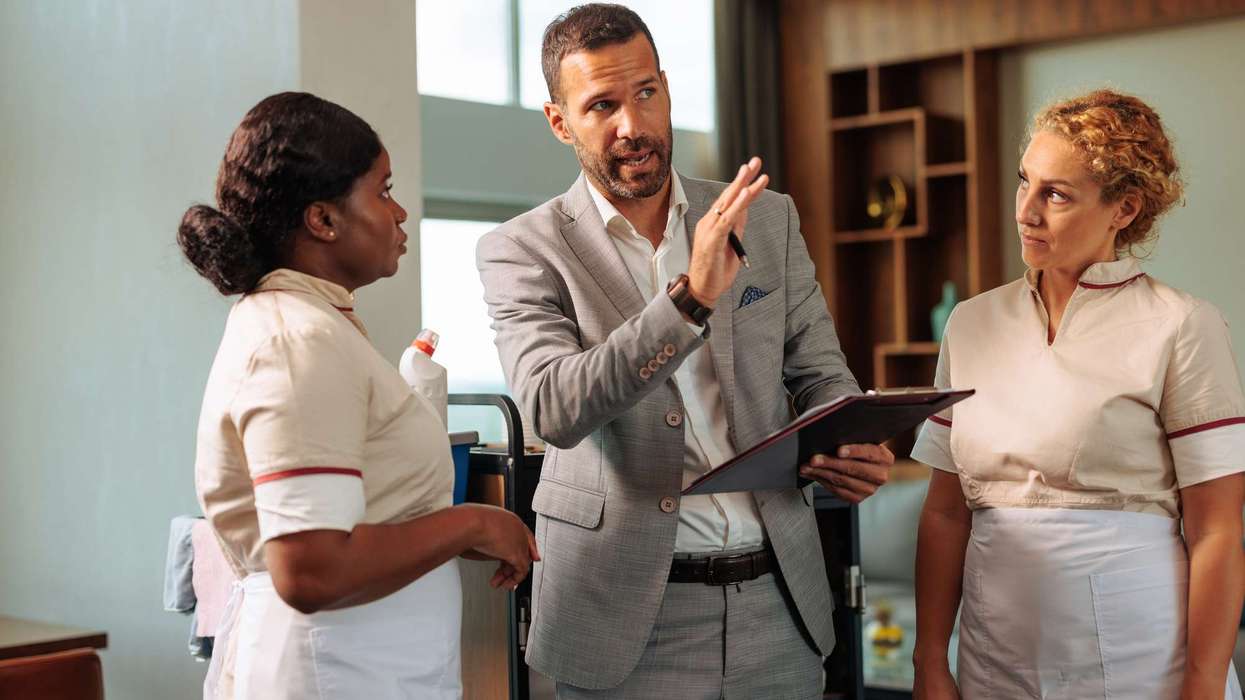
Key operational departments posted productivity gains in the first quarter of 2026. Housekeeping hours per occupied room improved 3.6 percent, guest services improved 1.9 percent and management improved 2.4 percent.
Lean teams improve efficiency
Hotels also operated with leaner teams while improving efficiency, the report said. Average headcount declined 1.2 percent in full-service hotels and 1.4 percent in select-service hotels. Labor cost growth remained steady. Labor cost per occupied room increased 1.8 percent year over year, from $45.96 to $46.79. Wage growth held at 2.9 percent.
Hotels used fewer labor hours per occupied room overall. Hours per occupied room declined 2.3 percent year over year. Select-service hotels posted stronger gains, with a 4.2 percent decline compared with 2.3 percent in full-service hotels. Housekeeping also improved, with room attendant minutes per occupied room falling 4.3 percent from 24.99 to 23.91 minutes and select-service room attendant productivity improving 7.2 percent.
The report highlighted that productivity gains will need to continue through 2026. Labor efficiency helped offset wage pressure in the first quarter and supported profitability. Maintaining these gains will be important if revenue growth slows later in the year.
It also showed that wage pressure eased but continued. Labor cost growth was lower than the spikes seen in late 2025, but costs still increased within hotel operations. Hotels will have less room to absorb further cost increases.
The report added that hotels will need closer alignment between staffing and demand if revenue slows. Housekeeping will remain a pressure point. Productivity improved in the first quarter, but overtime increased in some housekeeping roles, indicating ongoing flexibility needs as demand shifts.
HotelData’s “Q4 2025 Hotel Profitability Performance Report” showed that U.S. hotels closed 2025 with lower demand, declining RevPAR and a widening performance gap across chain scales and regions. Full-year profit share rose as operators-controlled costs and managed operations more tightly.