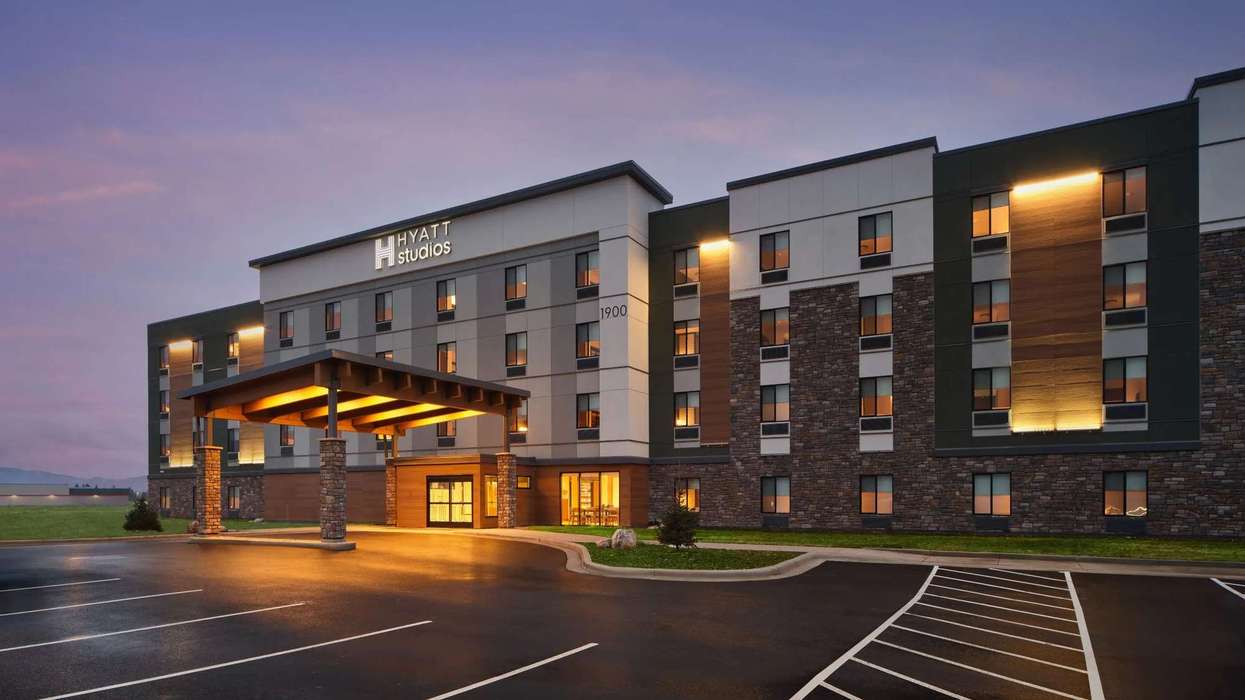

- Debt constrains new construction.
- Refinancing, new projects compete for capital.
- Lenders retreat from construction financing.
DEBT COSTS, LENDER selectivity and margin pressure, not construction costs alone, are determining which U.S. hotel projects can proceed, according to Access Point Financial. Developers are shifting toward renovations, brand conversions and acquisitions as ground-up projects face financing hurdles.
Hotel construction lender APF’s report, “I Will Gladly Pay You Tuesday for a Hamburger Today: The State of Hotel Construction Loans,” examines the pressures facing developers. Roughly $48 billion in hotel loans mature in 2025 and 2026.
“Hotel development remains sluggish nationwide, but we are seeing meaningful exceptions in certain segments and locations,” said Dana Tsakanikas, APF chief investment officer.
APF said hotel construction and bridge financing rates run roughly 8 percent to 10 percent or higher, depending on loan structure and leverage. As of July, 10-year fixed commercial mortgage-backed securities rates for hotels ranged from 5.85 percent to 6.85 percent, compared with 5.50 percent to 6.30 percent for multifamily and industrial properties.
Based on APF’s figures, construction and bridge loans cost about two to three percentage points more than 10-year CMBS hotel loans. Most debt funds and life insurance companies have largely withdrawn from hotel construction lending.
APF said active lenders now favor branded projects above a minimum size in markets with clear demand. That narrows financing options for developers whose projects do not meet those criteria.
APF cited the Turner Building Cost Index, which tracks U.S. non-residential construction costs. The index rose 8 percent in 2022 and another 6 percent in 2023. It reached 1,552 in the second quarter of 2026, up 5.15 percent year over year.
Refinancing competes with new projects
 Refinancing pressures divert capital from new construction Photo credit: iStock
Refinancing adds a second pressure. Those loans’ debt service is often about 40 percent higher than original loan terms, according to APF. APF said that pulls lender and sponsor capital toward existing properties rather than new construction.
Margins add to the pressure. Gross operating profit per room remains near 90 percent of 2019 levels, even where ADR and RevPAR appear healthy. APF said that leaves a thin cushion to absorb higher debt and construction costs.
Renovations avoid the construction loan costs required for new builds, APF said. Hotel companies increasingly expand through acquisitions and partnerships instead of new construction. Buyers and sellers still differ on price, so APF calls the activity an exercise in “testing the market.”
Selective opportunities remain
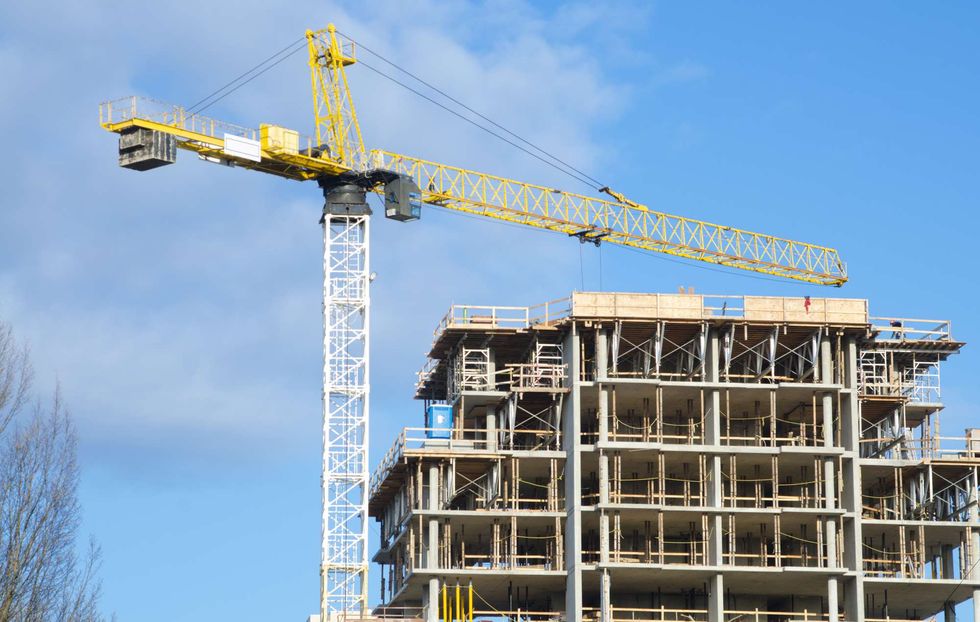 Hotel loan volume surges in the first half of 2026Photo credit: iStock
Lodging Econometrics forecasts 661 new U.S. hotel openings in 2026, representing supply growth of 1.3 percent, according to its Q2 2026 U.S. Construction Pipeline Trend Report. LE counted 277 openings in the first half of the year and expects another 384 by year-end. Its forecast for 2028 is 832 openings, about 26 percent more than in 2026.
APF said construction lead times run years, so owners who secure funding now can open the newest hotel in a market with older competition. At the end of the first quarter of 2026, 59 luxury hotels were under construction, APF reported. Extended-stay hotels are an exception for new development, APF said, because owners see lower operating costs and resilient demand.
APF reported that hotel loan dollar volume rose 85 percent year over year in the first quarter of 2026 and 19 percent year over year in the second quarter.
Tsakanikas said the company remains bullish on its “Build, Baby, Build” strategy, based on the recent success rate of its existing client activity.
APF advised developers to work with lenders experienced in hotel construction and to submit plans that are at least 80 percent complete and bid. Permits should ideally be ready to pull within 90 days, with no unresolved entitlement or zoning risks, the company said.
APF said developers should be ready to explain their construction experience, and that a third-party construction team does not replace the ability to asset manage a project from start to finish.
Separately, Hyatt Hotels Corp. is introducing financing options, a smaller hotel prototype and conversion brands to reduce upfront capital needs.