
- More than 300,000 visas revoked for mostly minor charges.
- Most surveyed hotels report understaffing.
- Hotel associations seek wider worker-visa access.
THE TRUMP ADMINISTRATION’S revocation of more than 300,000 U.S. visas is adding uncertainty for hotels already facing staffing shortages and rising labor costs. The issue extends beyond immigration enforcement to workforce planning, operating margins and international travel demand.
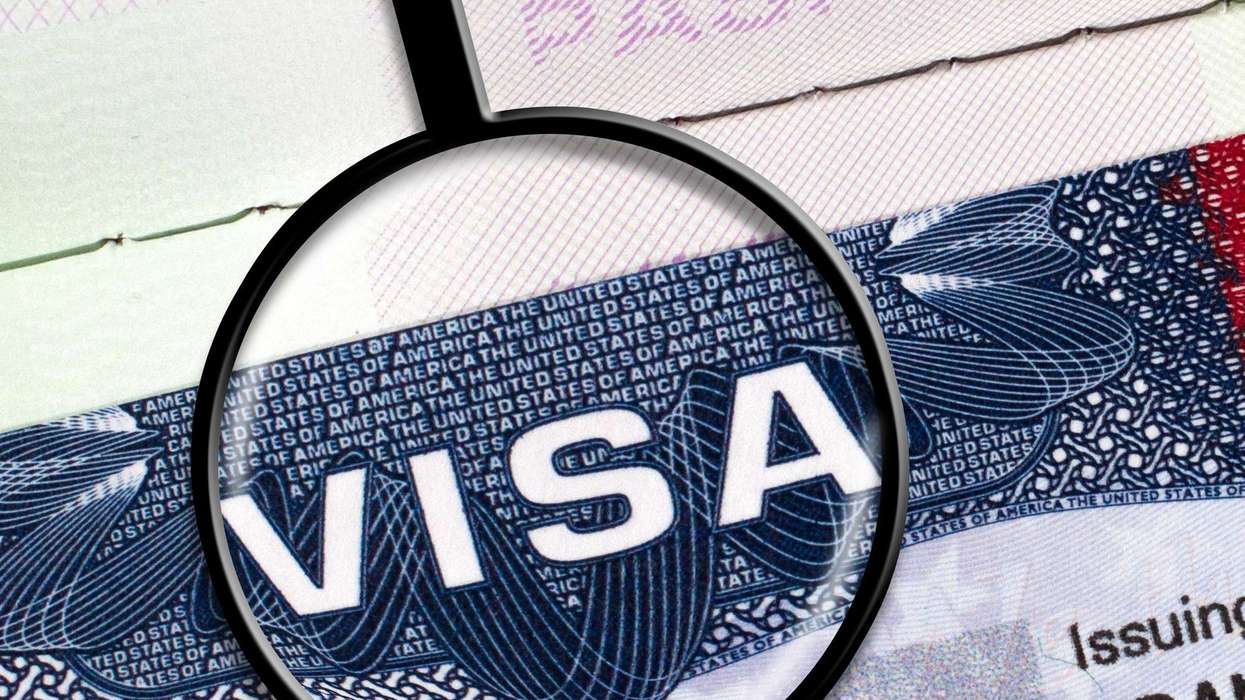
The State Department announced the figure on Oct. 20, up from more than 175,000 revocations reported in August. Spokesman Tommy Pigott said the administration had “zero tolerance for foreigners here on visas who break the law, commit fraud, or undermine our national security,” according to Reuters.
A State Department official said 25 percent of revocations involved assault and related crimes and 22 percent involved driving under the influence, Newsweek reported. More than 4,000 were tied to birth tourism, according to Al Jazeera. The department has not published a complete breakdown by occupation or nationality.
The administration said the crackdown aims to improve domestic security. Rights advocates say it has violated due process and free speech rights. They have singled out revocations involving foreign protesters and people targeted over social media comments, according to Reuters.
Hotels face staffing, cost pressures
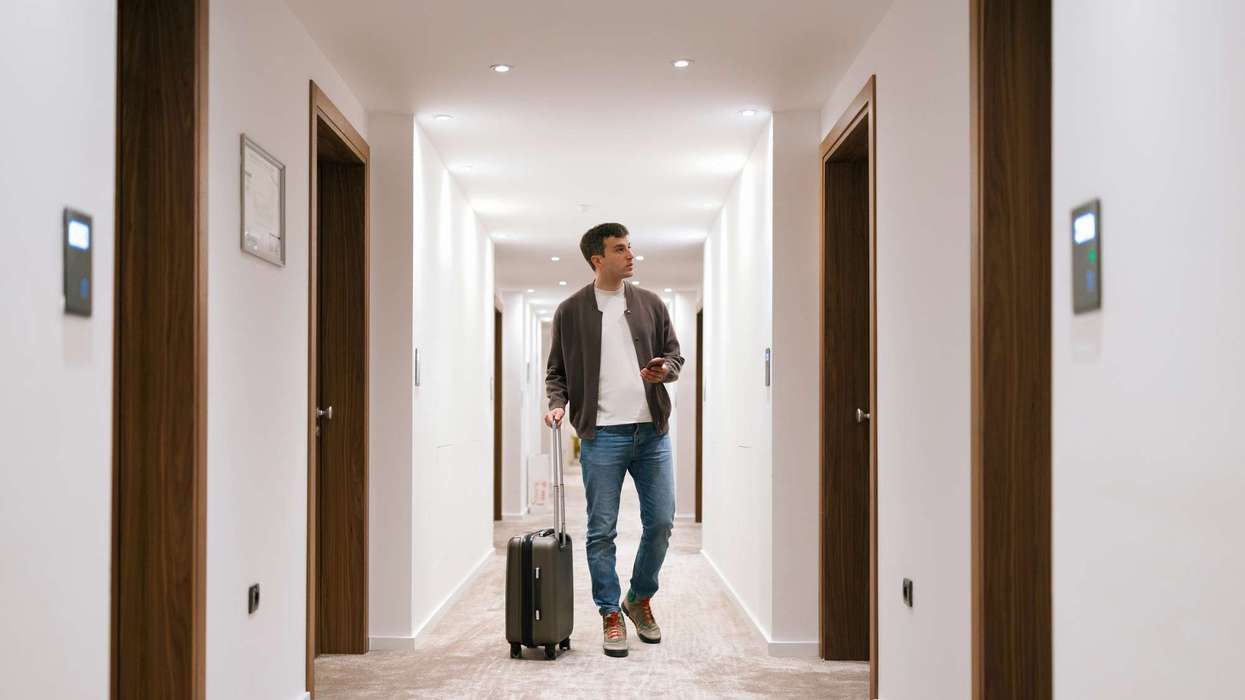
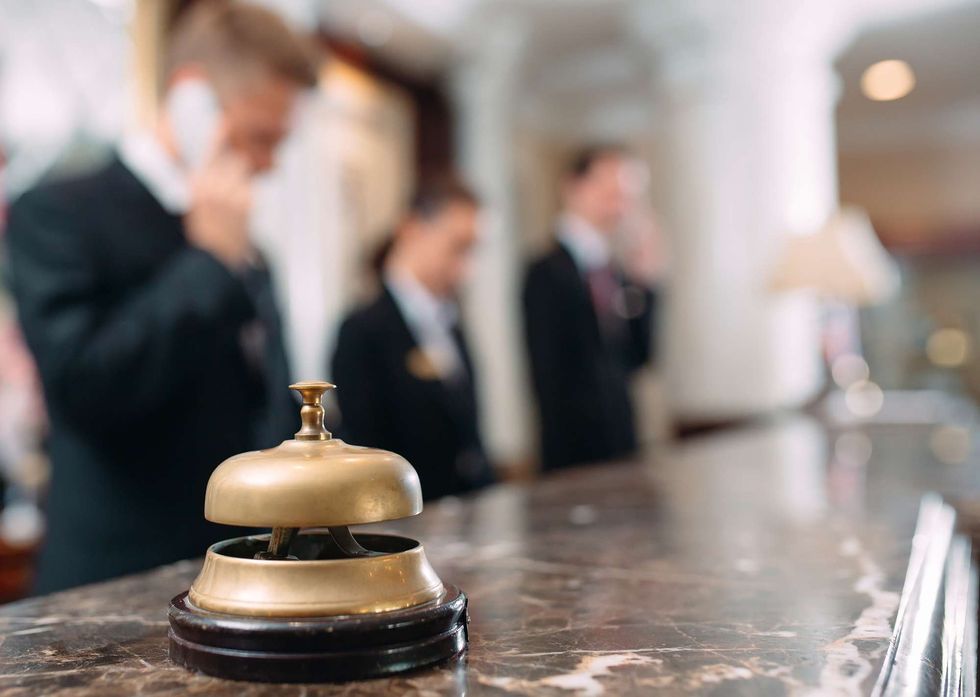 More than half of hotels reported moderate to severe understaffing.Photo credit: iStock
More than half of hotels surveyed by the American Hotel & Lodging Association in late February reported being somewhat or severely understaffed, the association said. Of the 246 hoteliers surveyed, 65 percent cited labor costs as a financial pressure and 42 percent cited workforce shortages. The findings predate the latest revocation announcement.
Federal policy has also sought to address seasonal labor demand. In January, the administration authorized up to 64,716 additional H-2B visas for temporary nonagricultural workers in fiscal 2026, including seasonal hospitality jobs. The allocation expired on September 30, and employers cannot assume it will be repeated.
AHLA welcomed the release of additional visas, with President and CEO Rosanna Maietta saying the association had long supported expanding workforce visas, Asian Hospitality reported.
Expanded seasonal-worker access alongside broader visa enforcement highlights the challenge for employers: immigration policy can restrict some routes while easing others.
Implications for Indian-Americans
 Indian hospitality workers, students and visa holders may face category-specific consequences.Photo credit: iStock
AAHOA has a membership largely of Indian origin. Its members own 60 percent of US hotels, according to an AAHOA-commissioned Oxford Economics study. The association has backed legislation to create an H-2C visa for hard-to-fill service jobs.
“The hotel industry still grapples with a worker shortage,” AAHOA President and CEO Laura Lee Blake said at the time.
Indian nationals received about 71 percent of H-1B approvals in fiscal 2024, according to data compiled by Statista. The program primarily serves specialty occupations, so it is not the main route for hotel staffing. Indian hospitality professionals, students and other visa holders could face consequences depending on their visa categories. The government has not disclosed how many Indians are affected.
Separately, F-1 student visas issued to Indian students fell 62 percent in May-August 2025 compared with previous years, raising concerns about the future U.S. workforce.