
- India’s hotel sector needs up to 210,000 more rooms.
- Major cities earn half of hotel revenue.
- Midscale and upscale lead room additions.
“Developers and operators are taking a more market-led approach as business, leisure and experience-led travel evolve,” said Anshuman Magazine, CBRE chairman and CEO for India, South-East Asia, Middle East and Africa. “The focus is shifting from adding rooms to developing hotels that meet changing traveler needs and deliver long-term value.”
Rising rates meet limited supply
India had about 450,000 organised hotel rooms at the end of 2025, with 14,400 added that year. Branded room supply remains low at 138 rooms per million people, compared with more than 1,500 in developed markets, but new hotels still need enough demand to be viable.
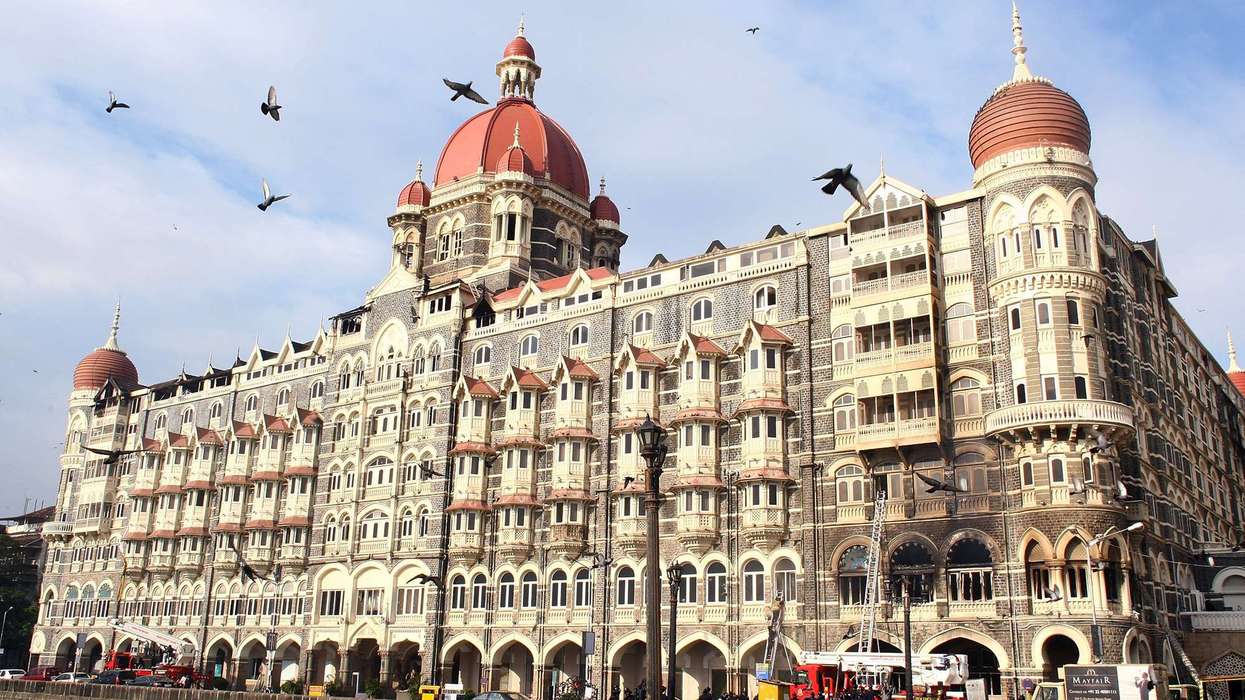 Major Indian cities record 70 percent hotel occupancy.Photo credit: Getty Images
Major cities hold about 35 percent of India’s branded hotel rooms but generate around 50 percent of hotel revenue, with occupancy near 70 percent. This highlights the need to assess local demand before adding new rooms, especially in markets where supply is growing quickly.
Performance varied by city in 2025. Chennai recorded RevPAR growth of 20 to 25 percent, while Bengaluru and Jaipur each recorded 15 to 20 percent. Kolkata grew by 12 to 17 percent. Goa had occupancy of 75 to 80 percent, but RevPAR growth was lower at 5 to 10 percent.
The additional rooms needed by 2035 span all hotel categories. CBRE estimates a need for about 43,000 more upscale rooms, 42,000 midscale rooms, 32,000 upper-midscale rooms, 30,000 economy rooms, 29,000 luxury rooms and 23,000 upper-upscale rooms. The figures suggest that the supply gap is not limited to luxury hotels.
Investors look beyond individual hotels
India’s hotel sector attracted about $905 million in real estate investment between 2024 and the first half of 2026.
Warburg Pincus invested about $110 million in Fleur Hotels, while Blackstone invested about $100 million in Taj Aravali Resort & Spa in Udaipur. IHCL acquired Brij Hospitality for about $30 million.
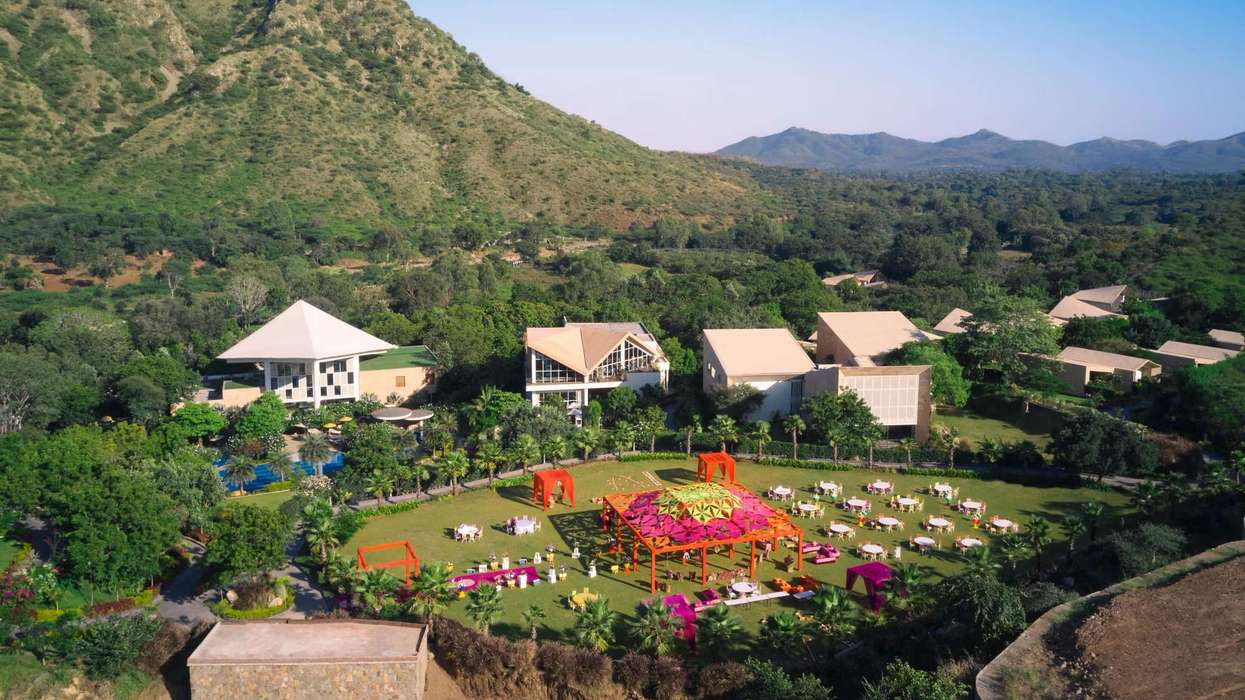 Blackstone invested about $100 million in Taj Aravali Resort & Spa in Udaipur.Photo credit: Taj Hotels
Other deals included ITC Hotels Ltd.’s $20 million investment in GHK Hospitality, Ventive Hospitality’s $30 million investment in Western India Resort through Kelzai Eco Reserves, and GIC’s $90 million commitment to the SAMHI Hotels platform in 2025.
These models can help operators expand without owning every property. For investors, however, growth still depends on whether each hotel can generate enough income to justify its development and operating costs.
New demand is reaching smaller markets
Hotel development is also drawing interest beyond major cities, including spiritual destinations such as Varanasi, Tirupati, Rishikesh, Puri and leisure markets such as Bharatpur, Kumarakom and Barapani. Growing domestic travel may support demand in these locations, but developers need to assess local demand and access before investing.
India recorded an estimated 3 billion domestic trips in 2025, with domestic travel growing by about 18 percent annually. MICE tourism is projected to grow by 11.9 percent annually from 2026 to 2031, which could support demand for hotels serving business and leisure travellers.
The report points to around 100 new airports expected by 2035, along with continued investment in highways, expressways and metro systems. Better connectivity can make more destinations accessible, though infrastructure alone does not guarantee that a hotel project will be viable.
It also highlights resorts, heritage hotels, wellness retreats and nature-based stays, which often need 5 to more than 20 acres of land. Developers must weigh land costs against expected room rates and demand.
Separately, a CBRE report links improved road and rail connectivity to changing hotel demand and tourism growth in India.