
- Modi urged Indians to cut overseas travel amid Iran conflict.
- The appeal could affect travel demand if consumers postpone overseas trips.
- The statement is expected to boost domestic tourism and hospitality.
PRIME MINISTER NARENDRA Modi urged Indians to reduce overseas spending, including foreign holidays and destination weddings, to limit the economic impact of the Iran conflict. However, industry executives said the appeal could affect travel demand if consumers postpone overseas trips.
Modi’s call comes amid rising crude oil prices, disrupted air routes and pressure on the aviation sector from the conflict, according to The Economic Times. He urged citizens to prioritize domestic tourism and reduce fuel consumption to help conserve foreign exchange reserves.
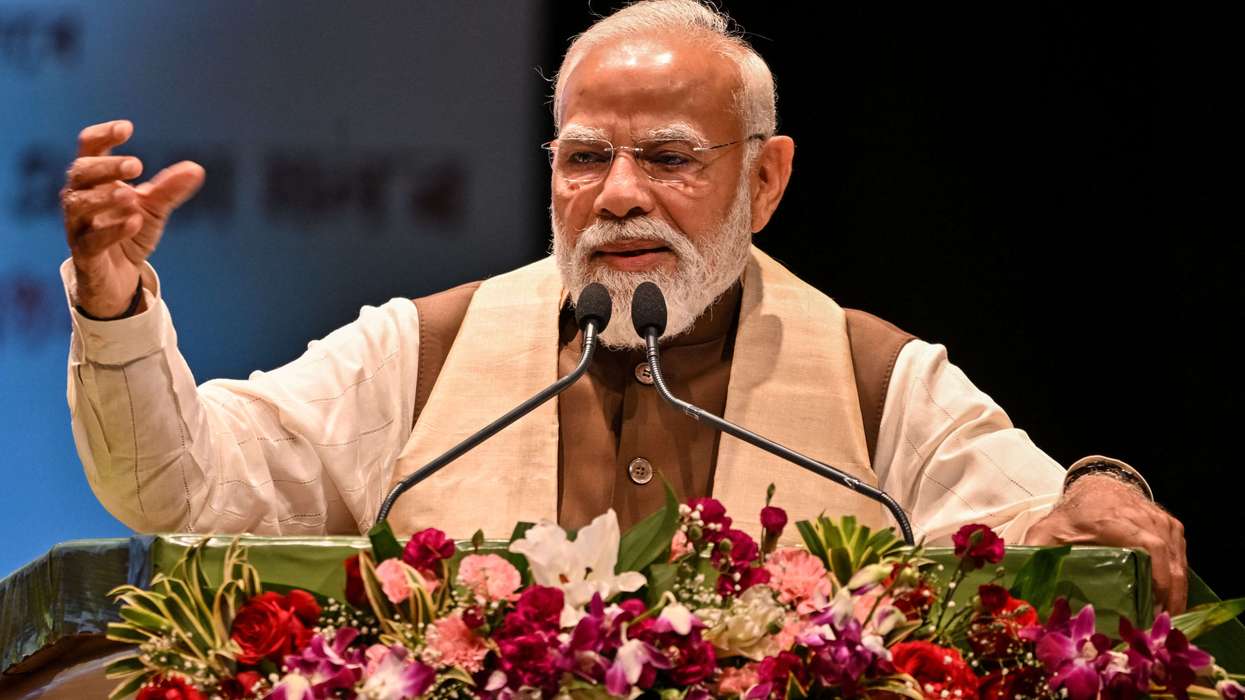
“The growing culture of weddings abroad, travelling abroad and vacationing abroad is becoming prevalent among the middle class,” Modi said. “We must decide that during this time of crisis, we should postpone travelling abroad for at least a year.”
However, the remarks raised concerns in the aviation and outbound tourism sectors, with travel stocks falling amid fears of weaker international leisure demand, the Times reported.
Rising fuel costs
The prime minister linked the appeal to rising fuel costs and tensions in West Asia. He said saving fuel and reducing overseas spending would help India manage pressure on foreign exchange reserves amid volatile crude prices and supply chain disruptions.
“Since petrol and diesel have become extremely expensive across the world, it is our responsibility to save fuel and thereby save the foreign exchange spent on purchasing petrol and diesel,” Modi said, according to the Times.
Industry executives said Modi’s appeal could affect travel demand if consumers postpone overseas trips. Analysts said long-haul leisure travel, destination weddings and international group travel could face pressure in the coming quarters if geopolitical tensions persist and airfares remain high.
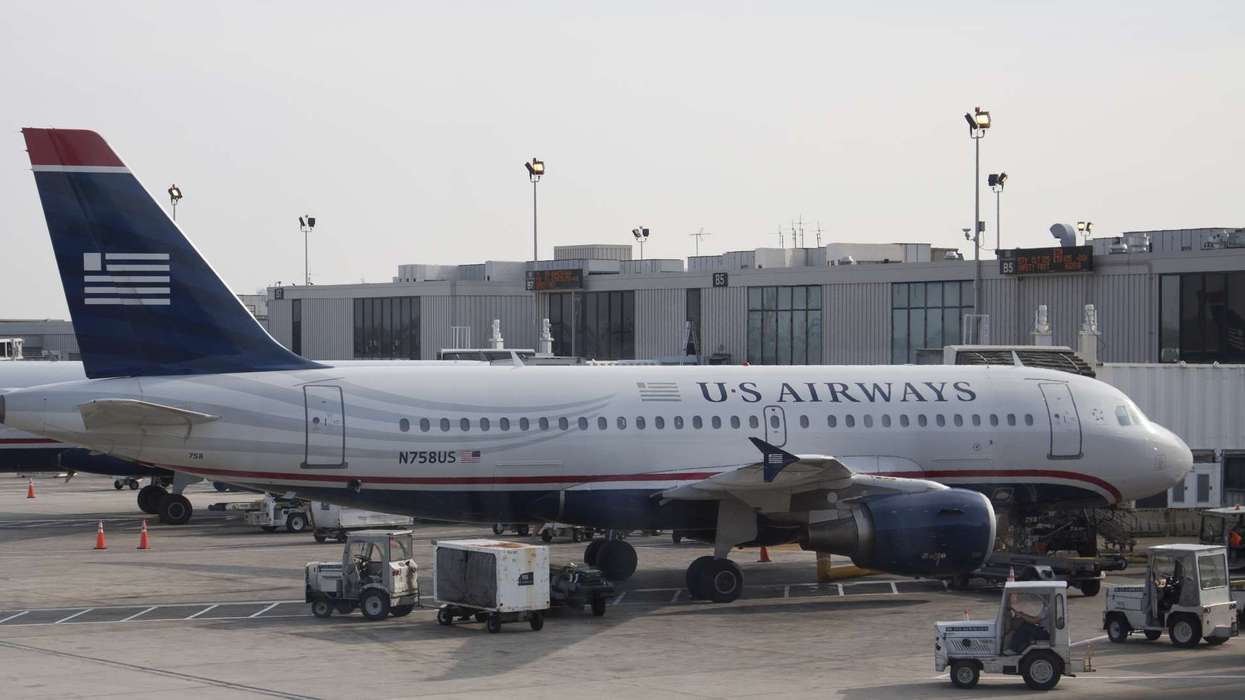
The remarks come as Indian airlines face higher aviation turbine fuel costs, longer flight durations and disruptions caused by restricted airspace over parts of West Asia, The Times of India reported. Airlines operating flights to Europe and North America have rerouted services, increasing fuel consumption and operating costs, while several carriers have raised fuel surcharges on international tickets.
Domestic tourism boost
At the same time, the statement is expected to boost domestic tourism, including leisure destinations, wedding venues, rail travel circuits and hospitality businesses catering to Indian travelers according to the Times. Hotel industry executives said higher domestic travel could support jobs and demand across regional tourism markets.
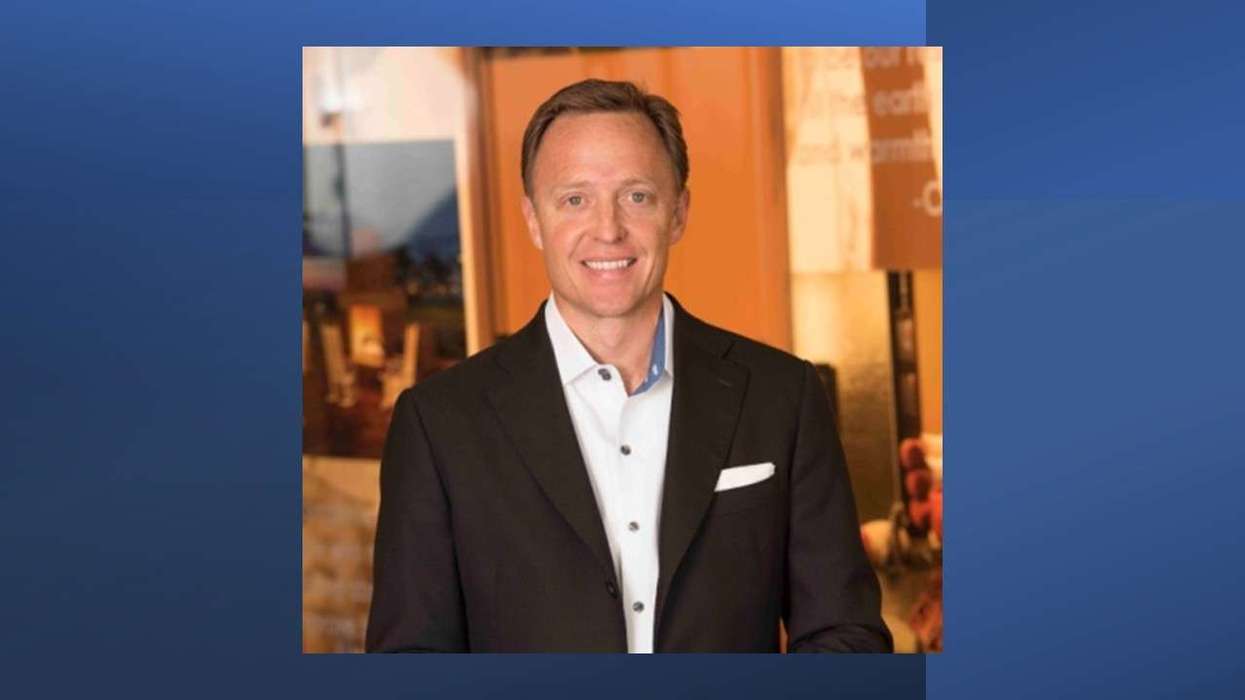
Rajiv Mehra, general secretary of the Federation of Associations in Indian Tourism and Hospitality, said the industry supported the prime minister’s message given the uncertainty caused by the West Asia conflict and pressure on foreign exchange reserves.
“We wholeheartedly endorse the sentiment behind the Prime Minister’s appeal urging Indians to reduce leisure travel abroad and avoid holding weddings overseas,” Mehra said.
However, he said India must also focus on increasing inbound tourism earnings.
“Equal emphasis must be placed on earning foreign exchange by attracting more international tourists to India,” Mehra said.
Rohit Kohli, joint managing director of the Creative Travel Family of Brands, said the long-term solution lay in strengthening India’s tourism infrastructure rather than restricting outbound travel alone. He said India needed investment in destination development, connectivity and international promotion to expand its tourism market.
Meanwhile, Outbound Tour Operators Association of India said tourism is often among the first sectors hit during crises and warned that a prolonged slowdown in overseas leisure travel could affect travel professionals and businesses dependent on outbound tourism.
The association plans to approach the Prime Minister’s Office to discuss ways to balance national economic priorities with industry concerns.
Separately, Nomura said India’s hospitality sector is entering a “golden cycle” of ADR growth, mid-teen internal rates of return and valuations attracting investors. The brokerage said ADR growth is expected to continue over the medium term due to a widening demand-supply gap in the luxury segment.