
- Enseo: Disconnected systems pressure hotel operators.
- Consumer technology is reshaping guest expectations.
- Technology should support, not replace, hospitality.
HOTEL OPERATORS FACE pressure from rising guest expectations, labor shortages and disconnected systems, according to Enseo. Guest expectations are increasingly shaped by consumer technology experiences rather than competing hotels
Enseo’s whitepaper, “The Power of Connections, II: Leveraging Innovation to Drive the Hospitality Guest Experience to the Next Level,” examines how technology integration can help hotels meet guest expectations and reduce reliance on manual processes.
The report, based on executive roundtables held alongside the 2026 Preferred Hotels & Resorts Global Conference, outlines technology strategies to improve the guest journey.
“When it comes to technology and particularly guestroom entertainment technology, the luxury traveler is expecting access, consistency and, at a minimum, parity with their experience at home,” said Brian Gurley, Enseo’s CEO. “The competitive benchmark is no longer other luxury hotels. It’s the seamless, connected experiences guests enjoy every day at home. Closing that gap requires more than new technology. It requires solutions and partners working together to connect systems, share information across departments, personalize the guest journey and deliver consistency at every touchpoint.”
Oracle Hospitality research found that 73 percent of travelers favor hotels with self-service technology, while 39 percent want mobile or chatbot room-service ordering and 49 percent prefer contactless payments, according to Enseo.
The findings suggest travelers prefer streamlined routine tasks, allowing staff to focus on guest service. The report also highlighted the growing importance of personalization.
Peter Kressaty, chief commercial officer of LW Hospitality Advisors, said guests expect hotels to know their preferences before arrival. Connected reservation, preference and loyalty data should enable hotels to recognize returning guests, the report said.
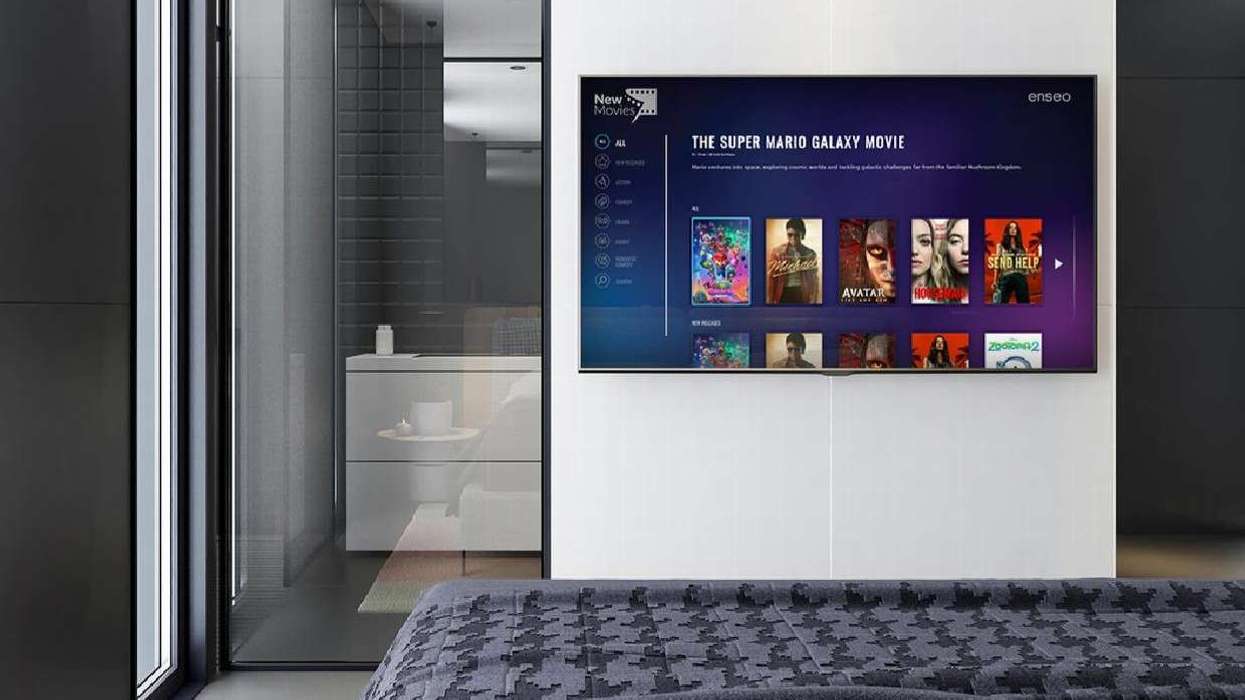
JD Power research cited in the report found that 40 percent of guests considered a smart TV or streaming services a must-have room feature in 2025, up from 21 percent in 2019. “Failures in entertainment systems can affect guest loyalty and revenue, while a seamless in-room experience can strengthen both,” said David Goldstone, Enseo president for hospitality.
The report identified fragmented technology environments as a key challenge, with many hotels operating disconnected reservation, loyalty, WiFi, entertainment and service systems. As a result, staff often become the integration layer, manually transferring information between systems and resolving issues that technology should address.
The variety of hotel types makes a single technology solution impractical, the report said. It also cited Deloitte research showing that use of generative AI for trip planning doubled from 8 percent to 16 percent between October 2023 and October 2024.
The report said technology should support, not replace, hospitality. It called for integrating connectivity, streaming, room controls and service systems to reduce troubleshooting, improve information sharing and deliver a consistent guest experience from booking through checkout.
Another recent study from Access Hospitality found U.S. hoteliers lose 42 days a year to the “toggle tax” of disconnected systems, as teams switch platforms, duplicate tasks, and manually consolidate data. This adds workload across operations, reservations, guest communications, housekeeping, finance, and reporting.