
- Canadians spent $3.3 billion less in U.S.
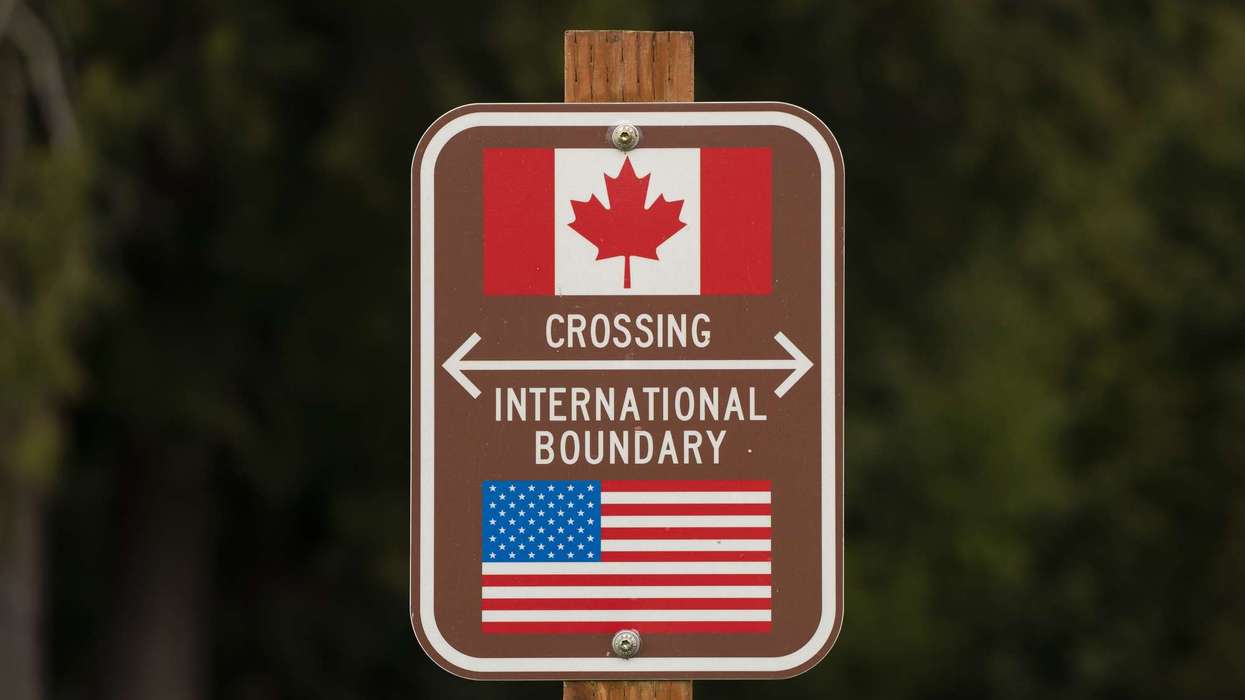
- Canadian border crossings from U.S. fell 25 percent.
- Europe and Asia travel increased as U.S. declined.
The pullback deepened through the year, with crossing volumes in July nearly one-third below year-earlier levels. Statistics Canada attributed the shift to the change in the U.S. administration in early 2025 and the rollout of America First policies, which abruptly changed Canadian travel sentiment.
Canadians simply redirected their spending rather than staying home. Domestic visits rose 1.5 percent, adding 5 million trips and accounting for more than 90 percent of all Canadian-resident visits at home and abroad. Overseas travel grew by 1.3 million visits. Europe saw the biggest absolute gain, with visits up 13.6 percent, adding 579,000 trips. Asia was close behind, up 16.7 percent, adding 387,000 visits.
Leisure travel drove most of the shift. Leisure-related visits to the U.S. fell 21.5 percent, or 3.2 million visits, while leisure travel to overseas destinations rose 12.2 percent, adding 1.1 million visits. Spending on leisure-related U.S. trips fell by $2.2 billion to $12.1 billion. Family-related travel to the U.S. declined at a slower pace, down 9 percent, as visits to see friends and relatives tend to be less flexible.
The decline made the impact on the U.S. economy clear, the report noted. The spending shifted instead to domestic businesses and overseas destinations. Overall domestic travel spending rose 8.7 percent to $81.3 billion in 2025, driven by leisure-related trips.
U.S. hotels and states introduced discounts and special offers as Canadian travel to the country declined.