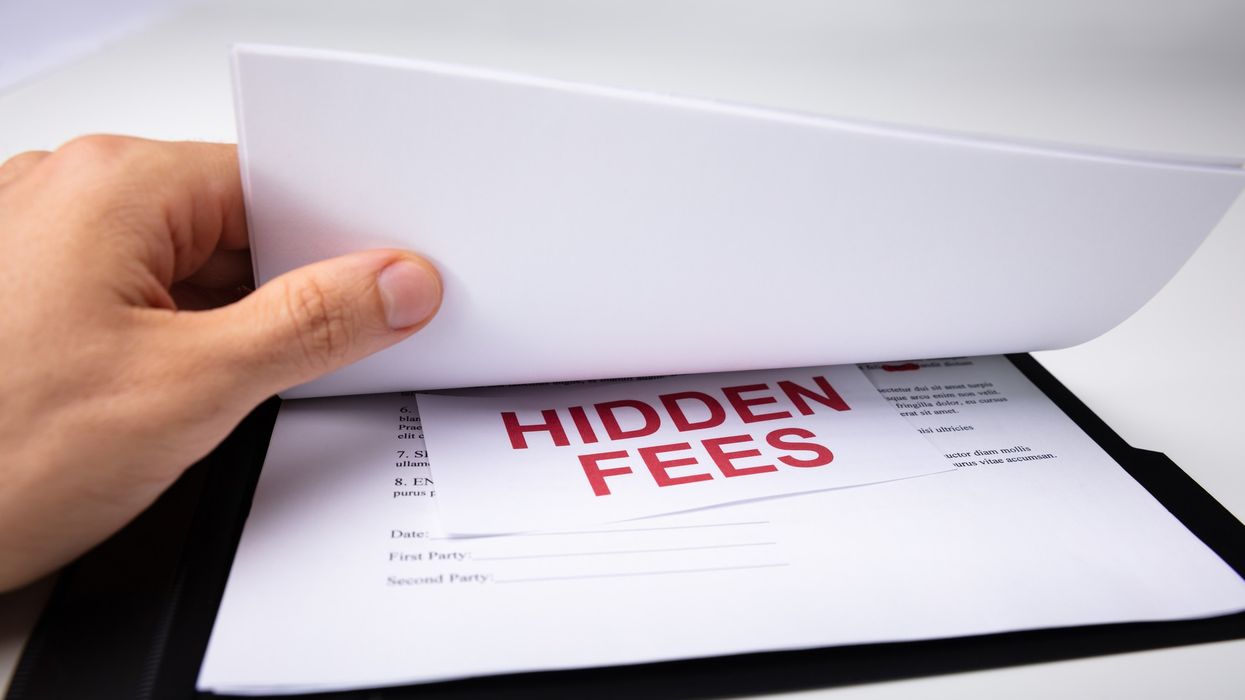

AAHOA AND THE American Hotel & Lodging Association welcomed the passage of the No Hidden FEES Act on June 11. The legislation aims to establish a uniform standard for transparent and mandatory fee displays across the lodging industry.
The bill, introduced by Reps. Young Kim (R-California) and Kathy Castor (D-Florida), had unanimous approval from the House Energy & Commerce Committee in December and passed with bipartisan support on the House floor.
AAHOA said that the legislation would empower its hotelier members and guests to make informed decisions and safeguard their financial interests.
"AAHOA thanks Congresswoman Kim for her diligence in introducing legislation that will help level the playing field for the hotel industry," said Miraj Patel, AAHOA’s chairman. "With this legislation, which requires full disclosure of all fees, guests can make better-informed decisions in selecting a place to stay. We look forward to seeing this legislation move forward through the Senate."
The association backed H.R. 6543 since its introduction by Kim last year, with its members sending more than 200 letters to Congressional representatives urging the bill's advancement.
"Currently, the way prices are advertised across the lodging industry is fragmented and not uniform," said Laura Lee Blake, AAHOA’s president and CEO. "This bill provides consumers a transparent and easy-to-understand total price for an overnight stay. AAHOA Members are thankful to Congresswoman Kim, who has been a champion of AAHOA, for her hard work on this legislation."
Unified mandatory fee standard
AHLA advocated for a unified standard for mandatory fee disclosure across the lodging industry, covering short-term rental platforms, online travel agencies, metasearch sites, and hotels. The No Hidden FEES Act and its Senate counterpart, the Hotel Fees Transparency Act by Sens. Amy Klobuchar (D-Minnesota) and Jerry Moran (R-Kansas), aim to establish a uniform standard for mandatory fee display across the entire lodging industry.
“It makes sense for all lodging businesses – from short-term rentals to online travel agencies, metasearch sites, and hotels – to tell guests up front about mandatory fees,” said Kevin Carey, AHLA’s interim president and CEO. “That’s why AHLA has led efforts supporting federal legislation to establish a single and transparent standard for mandatory lodging fee displays and an even competitive playing field. Thanks to Reps. Kim and Castor, we’re one step closer to making this a reality. We will continue to work with Senators Klobuchar and Moran on passing their related legislation in the Senate, with the goal of establishing a uniform standard across the industry as law.”
AHLA reiterated its commitment to including this stance in the final bill. Recent AHLA data also shows that only 6 percent of hotels nationwide impose a mandatory resort, destination, or amenity fee, averaging $26 per night.
AHLA recently reported that U.S. hotels added 700 jobs in May, highlighting ongoing workforce shortages, with 191,500 vacancies since early 2020. In a May survey of hoteliers, AHLA found that 76 percent of respondents are facing staffing shortages.