
- GSTV: Americans traveling by road this summer despite uncertainty.
- 72 percent of consumers plan to travel by car this summer
- 42 percent enjoy road trips, while 32 percent prefer driving for flexibility.
AMERICANS PLAN TO travel by road this summer despite economic uncertainty, according to GSTV. With the U.S. hosting the World Cup, travel and purchasing decisions are shifting, making 2026 the “summer of game tripping.”
A GSTV viewer survey conducted via MFour Mobile Research found that 41 percent are excited for the World Cup. Among those attending a match, 53 percent will drive at least one hour and many plan to travel five hours or more. Additionally, 30 percent of GSTV viewers not attending a match plan a road trip for another sporting event.
“Even amid economic uncertainty, consumers are still finding ways to prioritize travel and spending on the experiences that matter most to them,” said Lauren Lazarus, GSTV senior vice president for insights and analytics. “Whether it’s road tripping to the World Cup, watching a sporting event from their living rooms or spending time with family and friends on vacation, these summer moments create an experience-driven mindset that makes consumers more open to discovery.”
GSTV is a national video network that reaches consumers at gas stations across the U.S.
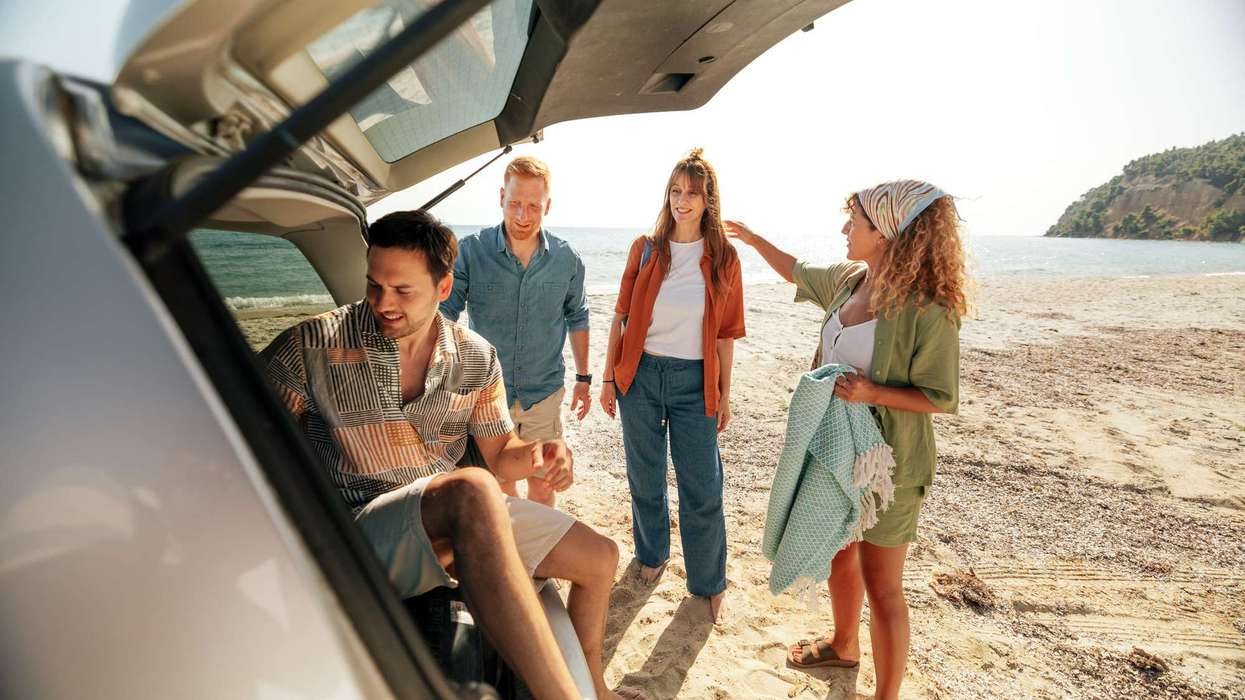
Beyond sporting events, 72 percent of consumers plan to travel by car this summer, while 45 percent choose closer destinations. More than half, 57 percent, plan to travel more than last year and 38 percent say gas prices have not changed their summer travel plans.
Additional insights on summer travel and spending show that 37 percent of consumers driving for summer trips plan to travel 500 miles or more. Among drivers, 42 percent say they enjoy road trips, while 32 percent prefer driving for flexibility.
A recent report by PricewaterhouseCoopers found Americans are preparing for summer travel, with younger travelers planning multiple trips and using AI to research and book vacations, while Memorial Day weekend is driving early demand.