
- U.S. luxury hotel investment picks up sharply in Q1.
- Activity surged 115 percent year over year.
- Ultra-luxury RevPAR at 148 percent of pre-pandemic levels.
Luxury consumer spending is growing faster than the broader economy, driving stronger interest in premium travel and experiences, JLL said. Activity picked up significantly in late 2025 and 2026 is shaping up to be the start of the next major trading cycle for these assets, it added.
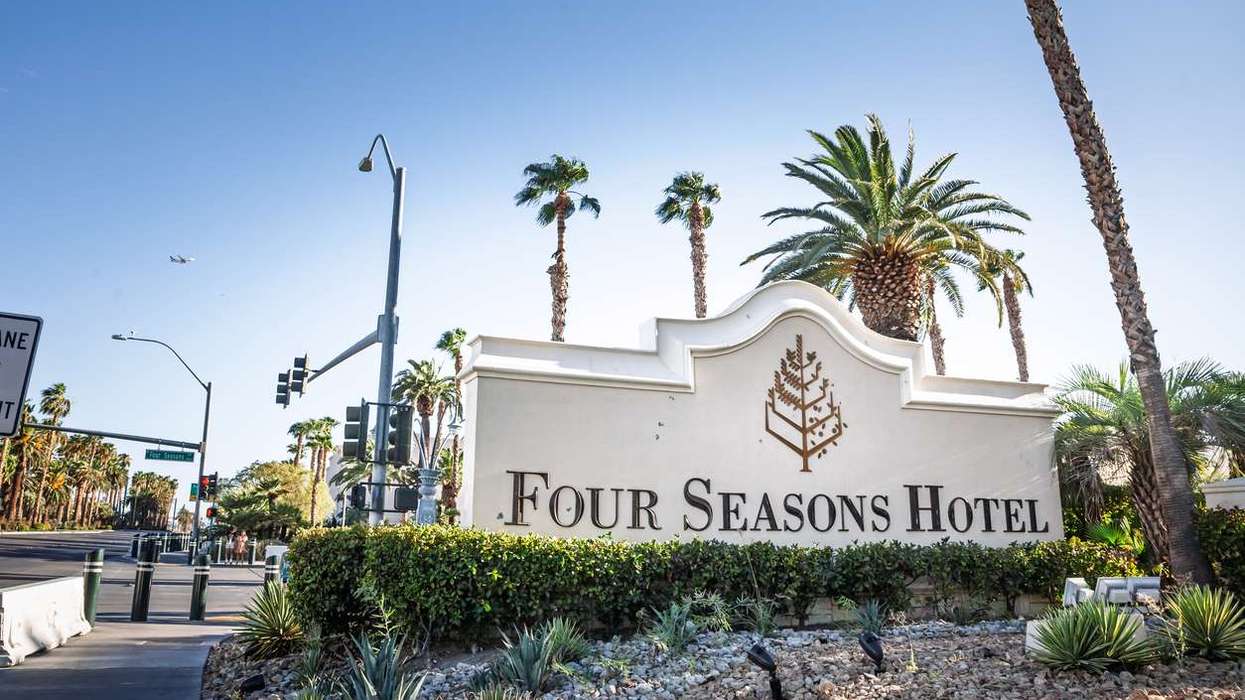
The deals are already rolling in. Investment activity surged 115 percent year over year in the quarter. The Four Seasons Resort Orlando at Walt Disney World Resort and the Four Seasons Resort and Residences Jackson Hole sold for a combined $1.1 billion. Gencom also picked up the Ritz-Carlton New York, Central Park for $320 million. Each of these trades involves assets in locations that are simply hard to find or build again.
Private equity made up nearly 30 percent of luxury transactions since 2015, with real estate investment trusts at 24.8 percent and institutional investors at 11.1 percent. Sovereign wealth funds, family offices and cross-border buyers are also in the mix, all chasing a relatively small pool of top-tier assets.
Global wealth grew at a 9.6 percent compound annual growth rate from 2015 to 2025, while ultra-luxury hotel supply grew at just 2.3 percent over the same period. Building new luxury hotels in prime locations is expensive and complicated, so supply stayed tight while demand kept climbing.
The report pointed out that luxury hotel transactions tend to happen in active windows of 18 to 36 months. With capital lined up and performance strong, that window looks to be opening now. The challenge for investors is not finding demand or financing but finding the right assets worth owning.
In May, JLL reported hotel transactions rose 14.4 percent in the first quarter to $5.6 billion, driven by several luxury deals, with private equity accounting for 34 percent of transaction volume.