
- Tourism Ministry and Google India sign digital promotion MoU.
- Partnership covers AI, data insights and capacity building.
- MoU is non-commercial, non-binding and non-exclusive.
The MoU is framed as non-commercial, non-binding and non-exclusive, meaning no money is exchanged and either side can withdraw at any time, according to PTI. It establishes a working relationship in which Google’s tools, data and expertise are used to promote India’s tourism destinations both domestically and internationally. The idea is to move from broad campaigns to real traveler search insights and demand patterns.
Google's travel trend data and digital engagement patterns will feed into the ministry's promotion strategies, giving it a sharper picture of which audiences to target and how to reach them. The “Incredible India” campaign is expected to benefit from this data-driven approach.
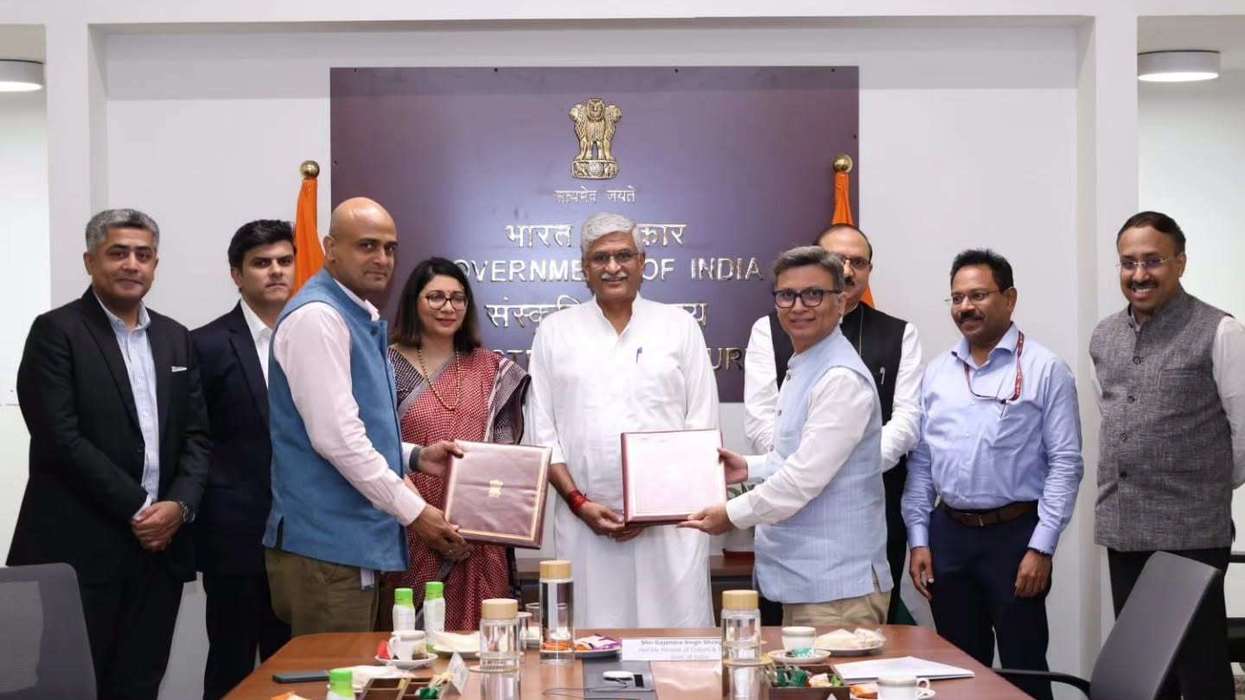
The signing was attended by Bhuvnesh Kumar, tourism secretary, Suman Billa, additional secretary and director general of tourism and Preeti Lobana, country manager and vice president, Google India, along with other senior officials. Union Tourism Minister Gajendra Singh Shekhawat was also present at the signing.
"Digital technologies have the potential to create immersive experiences that can showcase the glory and grandeur of India's cultural sites to audiences across the world," Shekhawat told PTI. “By harnessing cutting-edge digital technologies, we can transform the way travelers discover, experience and engage with India's rich cultural and natural heritage.”
Beyond data and promotion, the MoU also covers building the ministry's own internal skills. Training programmes are planned for ministry staff covering digital marketing, campaign optimization, content creation and working with AI tools. The goal is to give the ministry the capability to run sharper campaigns on its own rather than always depending on external support.
An Anand Rathi report projects India’s travel and tourism sector to grow at 7 percent CAGR through 2035, driven by domestic demand and infrastructure growth. It also points to global growth, rising AI use and younger travelers shaping the industry.