
- Prestige withdrew its proposed $282 million hospitality IPO.
- CPP Investments agreed to invest up to $313 million for up to a 28 percent stake.
- PRISM is targeting a $693 million IPO this fiscal year.
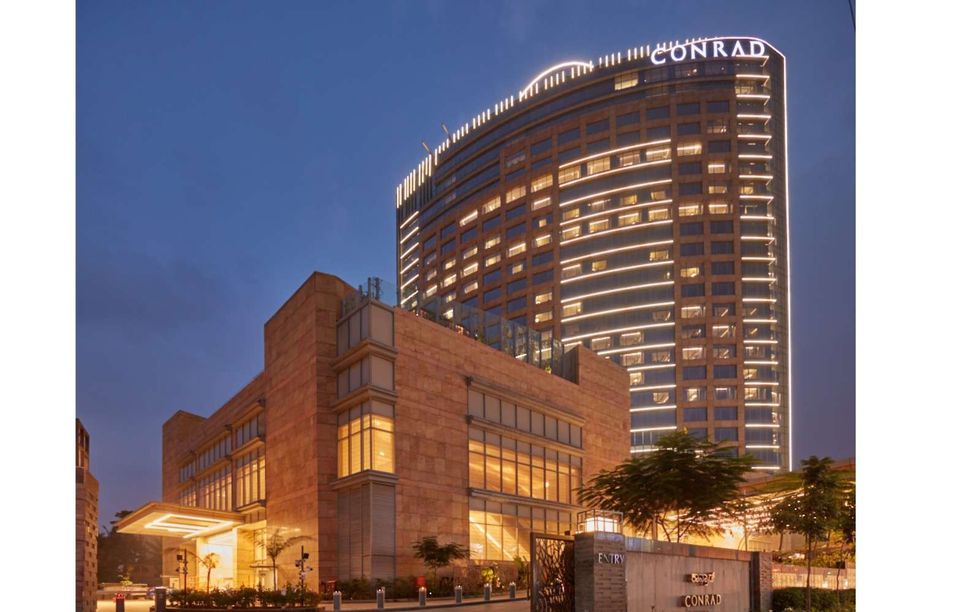
PRESTIGE ESTATES PROJECTS dropped the proposed initial public offering of its hospitality arm, Prestige Hospitality Ventures, citing strategic considerations and uncertain market conditions. The company is instead pursuing an investment of up to $313 million from CPP Investments for up to a 28 percent stake, with the transaction subject to due diligence, definitive agreements, and regulatory and lender approvals.
Prestige HV filed its draft red herring prospectus with the Securities and Exchange Board of India in April 2025. The proposed $282 million IPO comprised a $177 million fresh issue and a $104 million offer for sale by Prestige.
What the shift means
 Photo credit: iStock
The withdrawal gives Prestige another route to fund its hospitality business while keeping open the possibility of returning to the public markets. The CPP transaction is structured across multiple tranches and combines primary and secondary investment, which makes it a different instrument from an IPO in more than just size.
The disclosed terms provide a useful valuation reference, though they don't establish a private-versus-public valuation gap. At the maximum $313 million investment for a 28 percent stake, the transaction implies an equity value of about $1.12 billion for Prestige Hospitality Ventures. Against standalone revenue of ₹345.9 crore, about $36.1 million, for the last financial year, that works out to roughly 31 times revenue. That figure is a calculation from the maximum disclosed investment and stake, not a confirmed valuation of the business.
The distinction matters because Prestige withdrew the IPO before public investors ever priced the hospitality arm. A 31-times-revenue multiple on a privately negotiated deal isn't proof that private capital values the business more richly than public markets would — there's no public price to compare it against.
Why it matters now
The decision follows a recent, direct test of public appetite for Indian hotel assets. Schloss Bangalore, owner of The Leela brand, reduced its IPO size by 30 percent before its May 2025 offering, cutting the fresh issue to ₹2,500 crore, or about $261 million, from ₹3,000 crore, or about $313 million, and the offer-for-sale component to ₹1,000 crore, or about $104 million, from ₹2,000 crore, or about $209 million, amid reported market uncertainty.
Schloss Bangalore subsequently listed at a discount of 6.67 percent on the NSE and 6.55 percent on the BSE against its ₹435 issue price or about $4.54.
That single data point isn't a trend across Indian hospitality IPOs, but it is a warning: it shows the pricing risk a company takes on the moment it moves from a negotiated private valuation to a public market, where investor demand, not a boardroom agreement, sets the price on debut and the trading price after.
Prestige had also been reported to be weighing alternatives to the IPO before the formal withdrawal. In June, Bloomberg reported the company was exploring a minority stake sale to private equity investors that could raise about $300 million for Prestige Hospitality Ventures.
Asian Hospitality previously reported on Prestige HV’s SEBI approval for the proposed IPO in August 2025. At the time, the company had seven hotels with 1,445 keys and a pipeline of 2,509 additional keys.
Another hospitality-linked IPO is approaching
 OYOPhoto credit: OYO
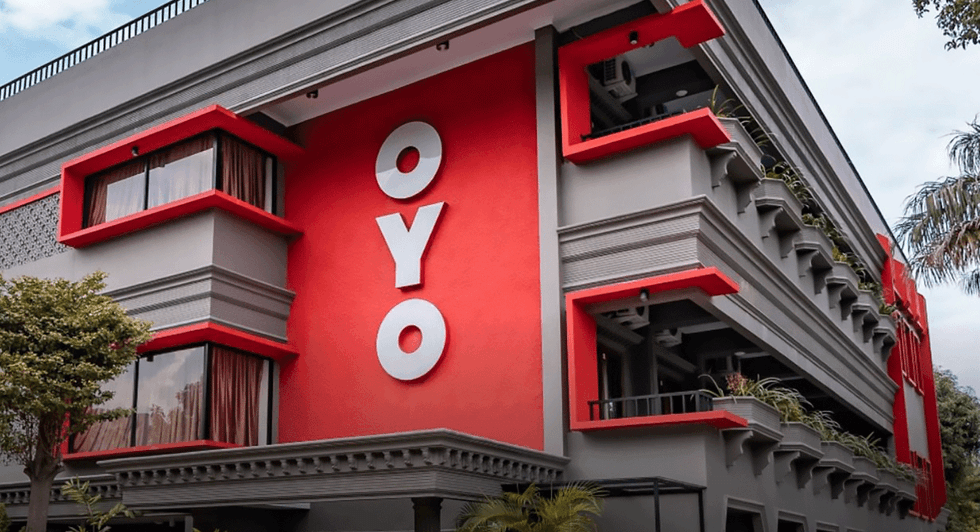
PRISM, the parent of OYO, plans to launch a ₹6,650 crore IPO this fiscal year — about $693 million at the Sept. 25 RBI reference rate, structured entirely as a fresh issue with no offer-for-sale component. The company has said it will determine the IPO price before launch.
Asian Hospitality's September report said PRISM has begun investor roadshows ahead of the offering.
The two moves are two different capital-market tests running in parallel, not evidence of a sector-wide preference for one route over the other. Prestige is pursuing institutional capital while keeping the IPO option open; PRISM has no such fallback and is committed to the public route.
What it means for hotel owners and investors
 CONRADPhoto credit: Prestige Hospitality Ventures
For hotel owners and developers weighing a capital raise, Prestige's decision puts timing alongside valuation in the financing calculus. An IPO delivers public price discovery and liquidity but exposes a company to market conditions on the day of the offering. Institutional capital lets terms be negotiated privately and can preserve the option of a later public listing, but it comes with its own contingencies: due diligence, multi-tranche structuring, and regulatory sign-off, none of which are guaranteed until they close.
The more useful lesson isn't that private capital beats public capital. It's that valuation, dilution, control, liquidity, timing, and execution risk have to be weighed together, not traded off one at a time.
Prestige's next test is completing the CPP transaction and deploying that capital. PRISM's eventual IPO will be the next real data point on public investor appetite for a large hospitality-linked platform — and, after Schloss Bangalore's discounted debut, the market will be watching closely to see which way that appetite is trending.