
- 87 percent see AI assistants shaping bookings by 2030.
- 53 percent name the U.S. top source market.
- 83 percent say loyalty is key to revenue growth.
HOTEL BRAND CEOs expect revenue to grow in 2027 as artificial intelligence and loyalty programs change how travelers find and book hotels, according to a Global Hotel Alliance survey. For U.S. owners, the findings signal a shift in where bookings start and who controls the guest relationship.
The report, “Growth, Disruption and the Forces Reshaping Global Hospitality,” surveyed 30 hotel brand CEOs. Four in five expect like-for-like hotel revenue to rise next year, with 47 percent forecasting growth of 5 percent or more, while 90 percent identify geopolitical instability and conflict as major threats over the next five years.
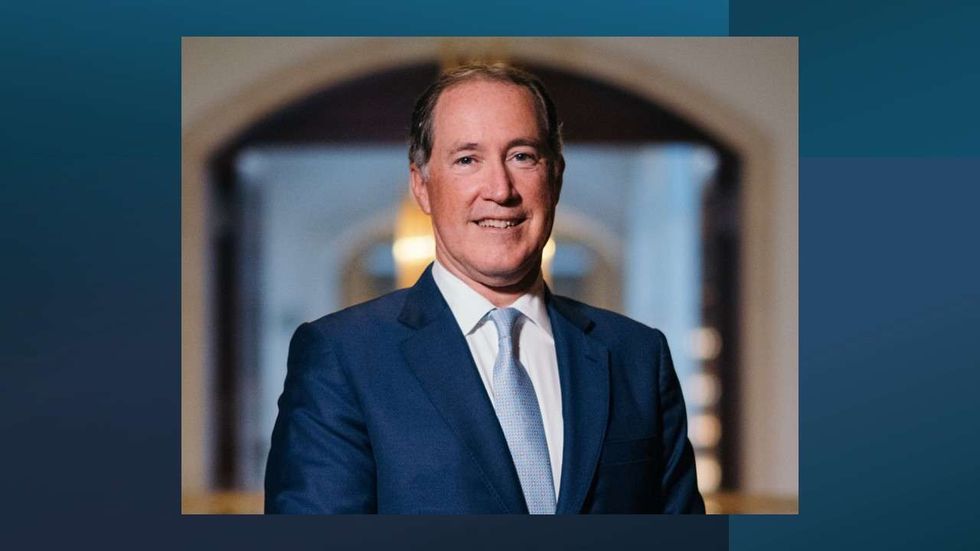 “Agility is key to navigating geopolitical uncertainty,” said Chris Hartley, GHA CEO.Photo credit: EIN Presswire
“We are operating in an uncertain geo-political environment but, as an industry, we have learned to stay agile and adapt to changing circumstances. And, most importantly, the travel community is proving more resilient, and so we remain optimistic,” said Chris Hartley, GHA CEO.
At 53 percent, most CEOs name the U.S, as the source market expected to drive international growth, ahead of India at 50 percent. Approximately 73 percent expect international travel to outpace domestic demand in 2027, 90 percent anticipate an increase in international leisure travel and 80 percent expect more bleisure trips combining business and leisure. Overall, 67 percent remain optimistic about the hospitality industry’s prospects through 2027.
Simon Naudi, group CEO of Corinthia Hotels, said the U.S. accounts for about one-third of the company’s customers and will remain a key market. His comment underscores the importance of U.S. outbound travelers to international hotel brands, even as domestic hotel owners compete for guests through changing booking channels.
Revenue growth may not translate into profit. An October survey of 72 asset managers by the Hospitality Asset Managers Association found 97 percent expect RevPAR to rise in 2027, but 61 percent forecast gains of 1 to 3 percent, citing demand, wage increases and labor availability as leading concerns.
CoStar and Tourism Economics project U.S. hotel gross operating profit per available room growth of 1 percent in 2027, Asian Hospitality reported.
AI shifts the booking path
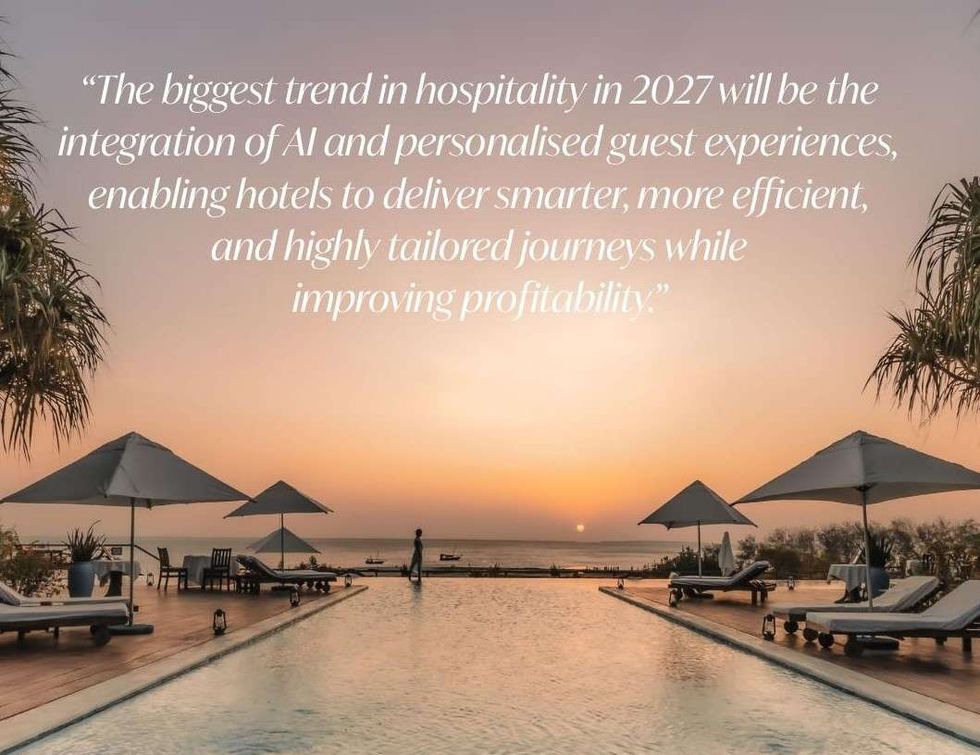 AI assistants are set to reshape hotel bookings, challenging traditional loyalty channels by 2030.Photo credit: Global Hotel Alliance
By 2030, 87 percent of CEOs expect AI assistants to be among the most influential hotel-booking channels, ahead of hotel websites and apps at 50 percent, loyalty platforms at 47 percent, online travel agencies at 30 percent and traditional search at 10 percent.
Hartley said hotel-owned digital channels and loyalty platforms could become more important in converting AI-driven discovery into bookings and building relationships beyond the initial transaction.
For owners, the shift raises questions about online visibility, customer acquisition and control of the guest relationship as AI becomes more integrated into trip planning. About 90 percent of CEOs believe AI will fundamentally reshape hospitality or have a positive impact on the industry. They expect the greatest impact in marketing and personalization, at 73 percent, followed by revenue management at 67 percent and distribution and internal productivity at 60 percent each.
Destination and location remain the most cited influences on hotel booking decisions in 2030, at 70 percent, followed by AI recommendations at 67 percent and experiences and events at 63 percent.
Gonzalo Aguilar, CEO of Minor Europe and The Americas, said technology should remove repetitive tasks so hotel teams can spend more time serving guests. HAMA found 71 percent of asset managers said their hotels already use AI for reporting or analysis.
Loyalty becomes a growth tool
 “Loyalty is earned when customers choose to return,” said Choe Peng Sum, PPHG CEO.Photo credit: Choe Peng Sum/LinkedIn
Approximately 83 percent of CEOs say loyalty is critical or very important to revenue growth over the next three years. 67 percent identify loyalty and direct customer relationships as the leading opportunity for independent hotel brands over the next five years, ahead of every other option in the survey.
Recognition of membership and status is expected to distinguish successful loyalty programs by 2030, cited by 70 percent of CEOs, followed by personalization at 57 percent and rewards at 47 percent. For owners, guest recognition and customer data could help generate repeat business and reduce reliance on third-party booking channels.
“Loyalty is the best way to look after your customers. When they choose to come back, it shows that they value the experience you have created for them. That, ultimately, is what loyalty is all about,” said Choe Peng Sum, Pan Pacific Hotels Group’s CEO.
PPHG, headquartered in Singapore, is a wholly owned subsidiary of UOL Group Limited. The group owns and/or manages about 50 hotels, resorts and serviced suites with more than 14,000 rooms across its Pan Pacific, PARKROYAL COLLECTION and PARKROYAL brands.
Hartley, Naudi, Aguilar and Choe discussed the findings at a panel in London in October. For U.S. owners, investors and developers, the test in 2027 will be whether AI-driven discovery and loyalty translate into direct bookings, repeat stays and stronger property-level profits.