
- Six groups form first cross-sector accessibility alliance.
- Business travel makes up nearly 20 percent of travel spending.
- Members now setting initial priorities and initiatives.
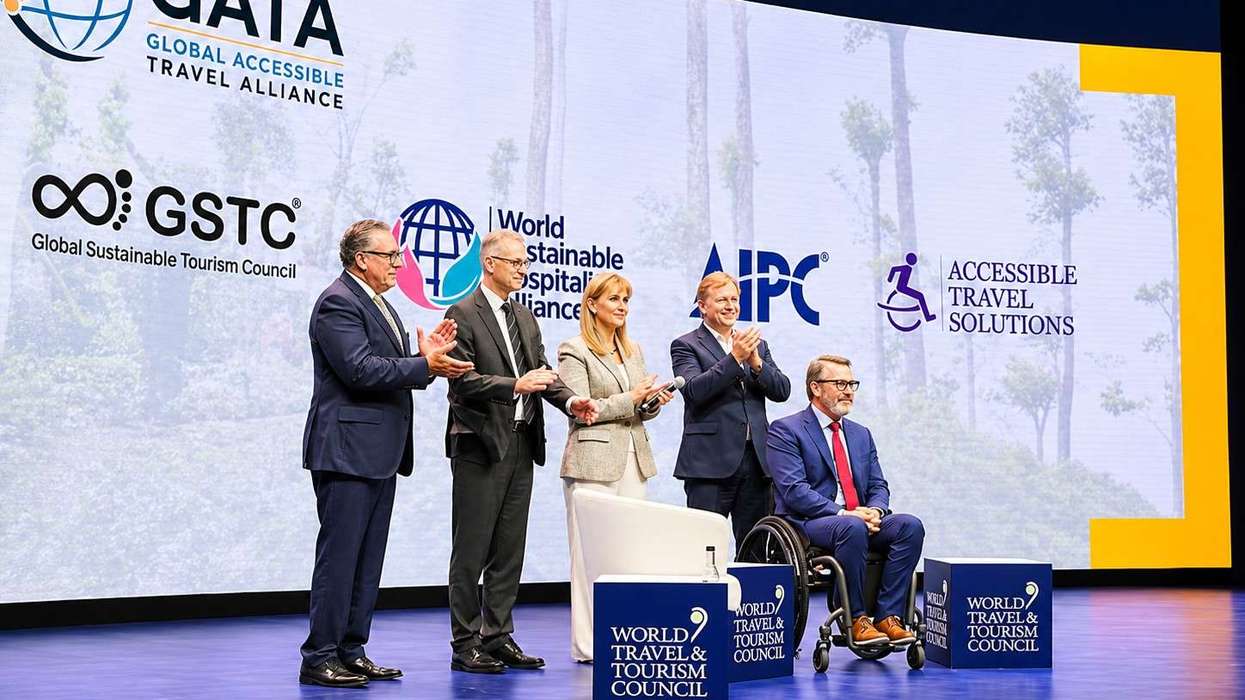
SIX TRAVEL AND tourism organizations launched the Global Accessible Travel Alliance, billed as the first cross-sector alliance to advance accessible travel through collaboration, knowledge sharing and coordinated action. The alliance was announced in Malta during the World Travel & Tourism Council Global Summit.
GATA’s founding members, according to WTTC, are WTTC, the Global Business Travel Association Foundation, the Global Sustainable Tourism Council, the World Sustainable Hospitality Alliance, the International Association of Convention Centres and Accessible Travel Solutions. The members represent tourism, business travel, sustainability, hospitality, meetings and events, and accessibility.
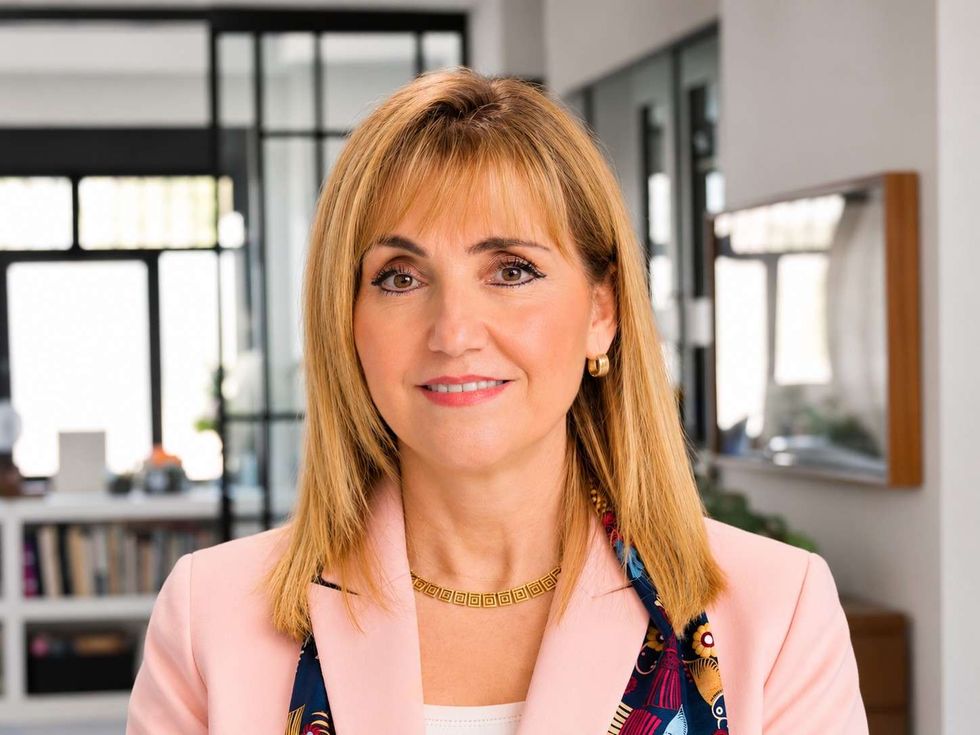 WTTC President and CEO Gloria Guevara calls for accessible travel to make global tourism more inclusive.Photo courtesy of World Travel & Tourism Council
“Travel has the power to open up the world, but that opportunity must be available to everyone. For millions of people with disabilities, traveling can still present certain challenges. Making travel more accessible is not just the right thing to do, it is essential to building a truly inclusive and successful global travel and tourism sector,” said Gloria Guevara, WTTC president and CEO.
Travelers with disabilities face barriers throughout their journeys, from finding reliable accessibility information to using transportation, accommodations, attractions and events, WTTC said. Inconsistent information and differing approaches across sectors make planning and taking trips difficult.
GATA aims to align travel and event organizations around practical accessibility principles, shared tools and coordinated action that help businesses deliver accessible, dignified and enjoyable travel experiences. Its long-term goal is to integrate accessibility into mainstream travel so everyone can travel with confidence, dignity and independence.
Business travel and hospitality
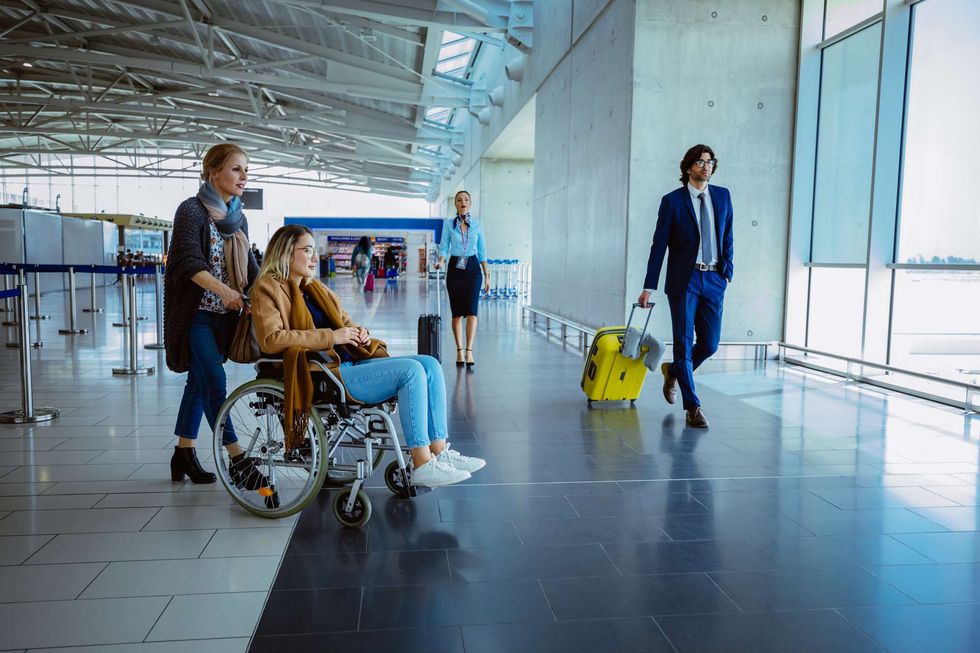 Business travel leaders are prioritizing accessibility to create more inclusive corporate travel and events experiences worldwide.Photo credit: iStock
Business travel accounts for nearly 20 percent of global travel spending, according to WTTC’s 2026 Economic Impact Research. Founding members from business travel and events see GATA as a way to align accessibility across the traveler experience.
Delphine Millot, GBTA Foundation managing director and GBTA senior vice president of sustainability, said accessibility should become a standard part of business travel management.
“The GBTA Foundation is committed to helping corporate travel programs create greater certainty for travelers with accessibility needs and to leveraging the influence of business travel to drive change across the travel ecosystem,” she said. “GATA is a much-needed step toward greater alignment, collaboration and collective action.”
AIPC CEO Sven Bossu said accessibility is essential to ensuring convention center events are open to everyone.
“Sharing best practices across sectors will help us make progress quickly and efficiently,” he said.
WTTC said GATA can connect accessibility with sustainability work already underway at destinations, businesses and properties. GSTC CEO Randy Durband said accessibility is a matter of fairness and a business opportunity, and that GATA would help organizations share expertise, align efforts and make accessibility a consistent part of travel.
“Accessibility and sustainability are inseparable,” said Glenn Mandziuk, World Sustainable Hospitality Alliance, President & CEO. “A truly sustainable hospitality industry is one that welcomes every guest — and with more than 1.3 billion people living with disabilities, accessibility is not a niche concern but a defining opportunity for our sector. GATA brings together the collaboration our industry has long needed, aligning standards, sharing knowledge and turning good intentions into practical progress across the entire guest journey.”
Coordinating industry action
 GATA brings travel industry leaders together to align accessibility efforts, share expertise and accelerate collective action.Photo credit: World Travel & Tourism Council
GATA will serve as a forum for members to share expertise, align initiatives where appropriate, reduce duplication and identify opportunities for joint action. Founding members are now setting the alliance’s initial priorities and practical initiatives.
John Sage, founder and CEO of Accessible Travel Solutions and GATA co-founder, said much of the industry’s accessibility work is happening independently. He said the alliance would help leaders from different sectors share what works, find areas for alignment and accelerate progress no single organization could achieve alone.
In a similar effort, HFTP, HSMAI and AHLA with HTNG formed the Global Hospitality AI Coordinating Council to coordinate AI guidance for hospitality professionals. The council aims to eliminate duplication and confusion among industry guidance efforts.