
- High-cost insured trips rose 27.2 percent year over year.
- Travel demand holds, but gains vary by segment.
- Luxury hotels outperformed economy properties in the first half.
Americans continued traveling in the third quarter, but spending patterns diverged. High-cost insured trips increased while lower-cost trips declined, according to Squaremouth.
Squaremouth's “Travel Insurance Trends Report: Q3 2026” found insured trips costing $30,000 or more rose 27.2 percent year over year, while trips under $10,000 fell 2.3 percent. Total insured trips increased 12.9 percent, even as trip-cost growth slowed to 5.1 percent from 17.4 percent in the second quarter.
“All of our data points to travelers essentially treating their vacations as a non-negotiable expense, choosing to find savings elsewhere so they can keep on traveling,” said Jacqueline Mondelli, Squaremouth’s chief marketing officer.
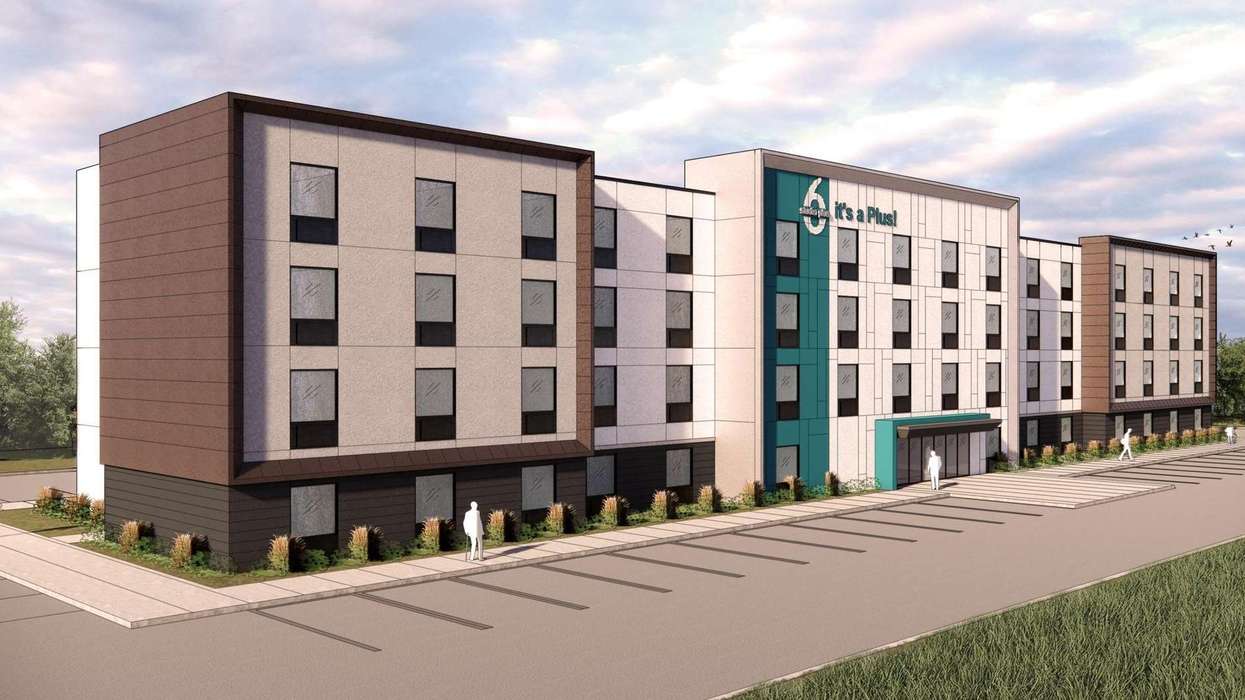
 Economy hotels alone saw declines in occupancy, ADR and RevPAR.Photo credit: iStock
Squaremouth’s figures reflect travel insurance purchases through its platform, mostly for international trips, not the entire travel market or hotel bookings. Still, U.S. hotel performance data points to a similar divide between market segments.
According to Colliers’ first-half 2026 U.S. Hospitality Brand Performance Comparison Report, luxury hotels recorded 13.3 percent year-over-year RevPAR growth. Economy hotels were the only segment to report declines in occupancy, ADR and RevPAR.
Pricing trends also varied by hotel type. Marcus & Millichap’s 2026 U.S. Hotel Outlook found that full-service ADR increased 4.4 percent in the year ended in July, while limited-service ADR declined 1 percent.
Why it matters for hotel returns
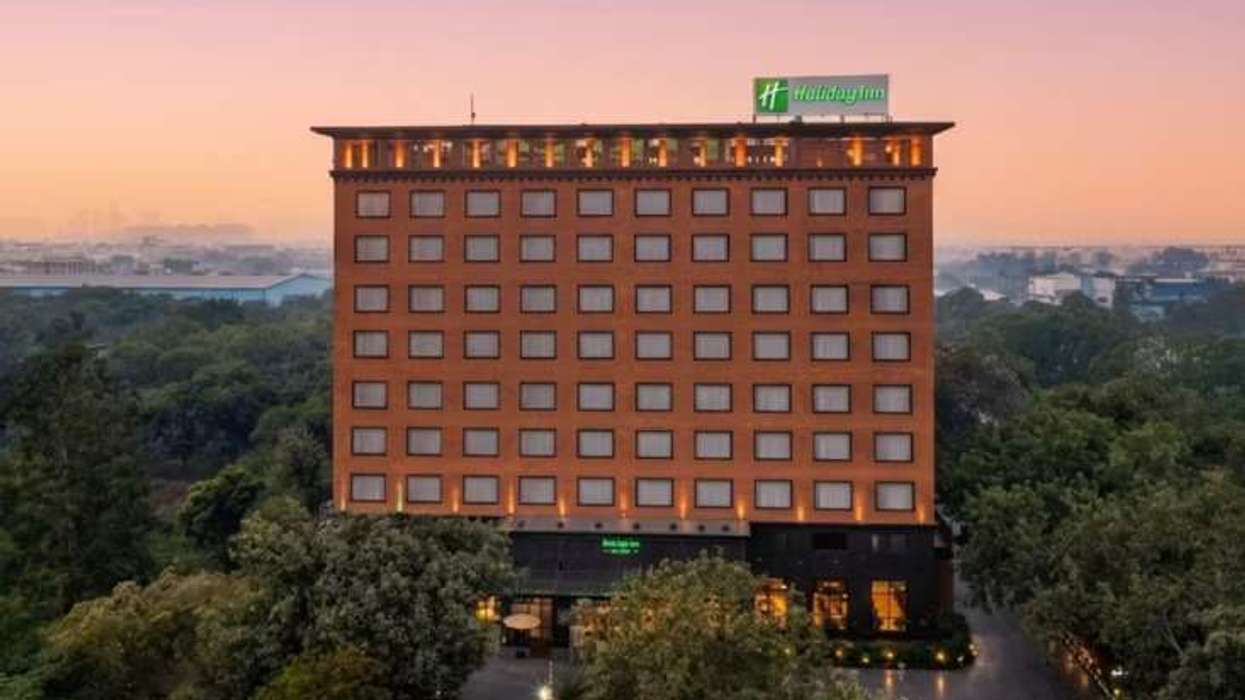
 Room-rate growth boosts revenue and converts more effectively into hotel profits.Photo credit: iStock
Rate growth drives profit. Marcus & Millichap said rate-led RevPAR growth generally converts more effectively into profit, while occupancy growth adds housekeeping, utility and supply expenses. Hotels that can raise rates keep more of each added dollar.
The FIFA World Cup lifted first-half hotel results, with RevPAR up about 13 percent across 10 U.S. host-city markets, according to Colliers. Squaremouth’s third-quarter data offers an early reading after the tournament and it shows high-cost travel holding while budget travel slips.
The performance gap is also shaping investment decisions, with investors increasingly targeting luxury and upscale hotel assets amid financing pressures. As Asian Hospitality reported, asset quality, location and traveler demographics are becoming key drivers of hotel performance.