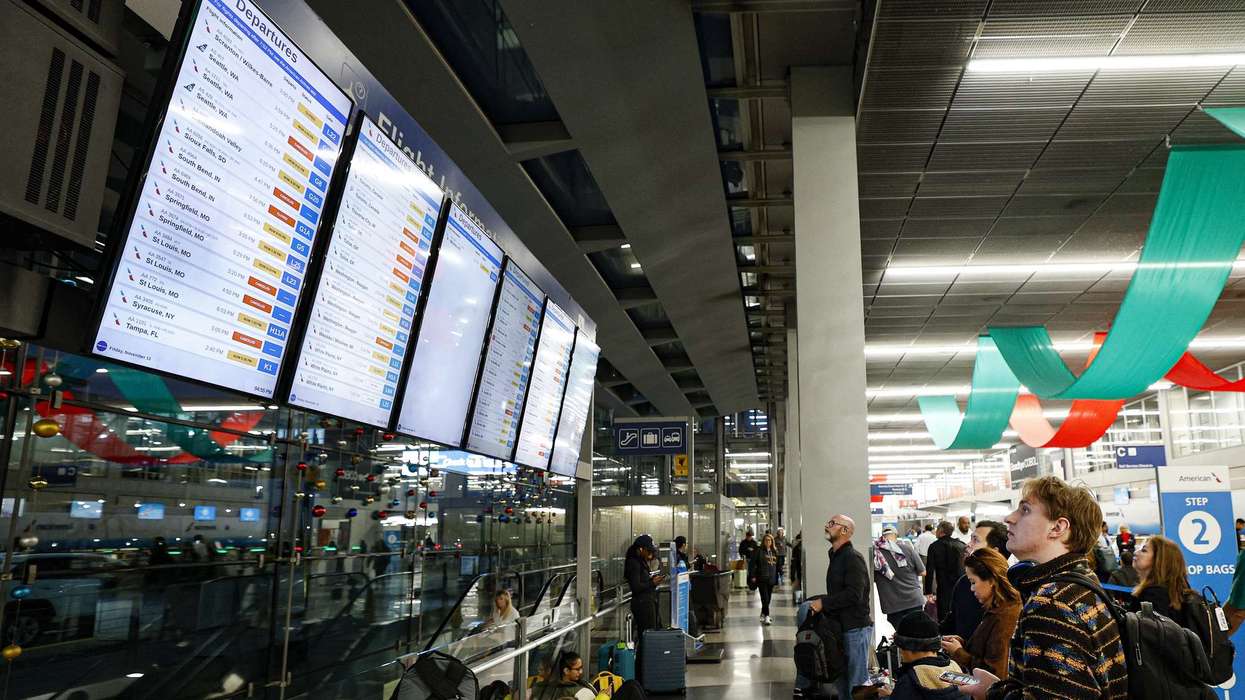

- Airlines expect slower growth over three years.
- Eight aviation subsectors made a profit in 2025.
- Higher costs, aircraft delays remain challenges.
More than half of airlines expect growth to slow over the next two to three years. A survey found that 56 percent of carriers expect a slowdown during this period, according to a McKinsey report cited by ANI.
Rising costs and capacity constraints
Higher jet fuel prices, rising maintenance expenses and delays in aircraft deliveries are among the main challenges for airlines. Geopolitical uncertainty and ongoing conflicts are adding to the pressure, according to McKinsey’s report.
U.S. military conflicts with Venezuela and with Iran this year disrupted air travel globally. On Friday, telecommunication problems led the Federal Aviation Administration to implement a nationwide ground stop for all U.S. air travel that lasted four hours.
Changes in air traffic routes and fuel prices could further increase operating costs. Aircraft delivery delays and engine-related issues could also limit the number of seats airlines can offer.
Airline finances improve in 2025
McKinsey’s analysis of 2025 financial data found that eight of the 11 aviation sectors made a profit. This was the highest number since the pandemic. However, the global airline industry still lost $12.8 billion in 2025. This was about 40 percent less than its average yearly loss of $20.9 billion between 2012 and 2019.
The industry’s economic profit margin improved to minus 1.2 percent, compared with an average of minus 2.8 percent before the pandemic. About 40 percent of airlines earned more than the cost of their capital in each of the past three years. It was nearly twice the usual share. Of the airlines that made a profit in 2025, 82 percent also made a profit in 2024.
 Airline industry losses fell 40 percent in 2025 from pre-pandemic levels.Photo credit: iStock
Airlines that made a profit offered premium services, had different sources of income, ran loyalty programs and improved their operations. However, the industry as a whole still did not earn enough to cover the cost of its capital.
“The aviation value chain has once again failed to earn its collective cost of capital,” the report said.
Airlines, airports and aircraft makers accounted for most of the industry’s losses. Some service businesses, including catering, ground handling, aircraft maintenance and travel technology, made a profit.
Artificial intelligence could help airlines set ticket prices, predict when aircraft need repairs and serve customers better. These uses could help airlines reduce costs and improve their operations. However, high fuel prices, a limited supply of aircraft and rising maintenance costs remain major challenges.
An ICRA estimate puts India’s airline losses at $3.81 billion to $4.02 billion in fiscal year 2027, nearly three times the earlier estimate. The higher losses are due to the West Asia conflict, rising fuel prices, a weaker rupee and higher aircraft rental costs. Passenger growth is also expected to be slower for both domestic and international airlines.