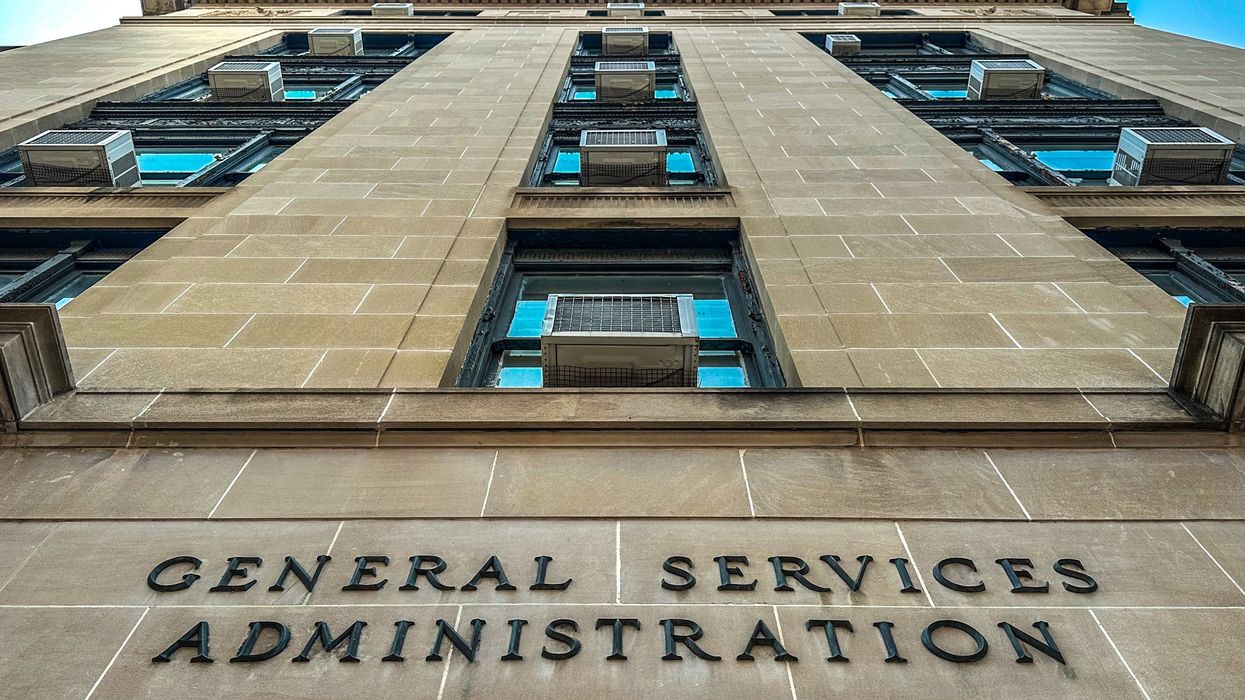

THE U.S. HOTEL industry is set to benefit from the General Services Administration's recent decision to raise per diem rates for fiscal year 2025. This is the first increase in the meals and incidental expenses allowance in three years, a change welcomed by AAHOA and the American Hotel and Lodging Association.
Each year, GSA sets per diem rates to reimburse federal employees’ lodging and meals expenses for official travel within the continental U.S., typically based on the ADR for lodging and meals over a trailing 12-month period, minus five percent. Starting Oct. 1, the standard daily lodging allowance for most of the continental U.S. will increase by $3 to $110, while the meals and incidental expenses allowance will rise by $9 to $68.
“With government travel being a significant contributor to hotel revenue, it’s crucial that federal per diem rates align with the economic pressures hotels face today, including persistent inflation and widespread labor shortages,” said Miraj Patel, AAHOA’s chairman.
For fiscal year 2025, the standard per diem rate for most of the continental U.S. is set at $178 per day, including $110 for lodging and $68 for meals and incidental expenses. This increase is particularly significant for hotels in markets that rely heavily on government travel, providing a stable revenue stream, especially in smaller markets or areas with a strong federal presence.
AHLA estimates that the increase will provide the hotel industry with approximately $100 million in additional revenue, aiding its recovery from the pandemic and ongoing workforce challenges.
“These increases are an important victory for AHLA, which has made fair per diem rates a perennial federal advocacy priority,” said Kevin Carey, AHLA’s interim president and CEO. “Government travel is a vital source of revenue for hotels, and it’s critically important that the federal government’s per diem rates reflect market conditions and account for the economic realities hotels face, including inflation and workforce shortages. We appreciate the efforts of GSA Administrator Robin Carnahan and the Biden administration on this issue.”
"By raising these rates, the GSA is not only supporting our industry but also boosting the broader economy, including restaurants and local businesses that benefit from government travel spending," said Laura Lee Blake, AAHOA’s president and CEO. "This decision will have a lasting impact on the ability of hotels to continue delivering exceptional service to federal employees and all travelers."
AAHOA has consistently advocated for fair per diem rates, previously pushing to freeze rates at 2021 levels during fiscal year 2022 to support the hotel industry’s recovery from the COVID-19 pandemic.
President Biden’s March 7 State of the Union address addressed issues long championed by hotel industry associations. AAHOA and AHLA responded, with AAHOA holding its Spring National Advocacy Conference and AHLA lobbying for a $9 increase to the FY2024 per diem lodging rate.