
- U.S. hotel revenue growth slows in 2027.
- Luxury ADR is forecast to rise 6.8 percent.
- Operating costs are rising faster than revenue.
For 2027, demand is expected to grow 1.4 percent and supply 1.2 percent. RevPAR growth is forecast to slow to 3 percent, according to PricewaterhouseCoopers' U.S. Hospitality Directions: November 2026.
“U.S. lodging sector performance has continually exceeded expectations this year and is on a solid footing heading into 2027,” said Abhi Jain, PwC U.S. principal for hospitality and real estate. “With supply growth well below the long-term average, domestic demand has supported strong occupancy, more than compensating for tepid international inbound demand.”
RevPAR is expected to grow 5 percent in 2026, with ADR rising 3.4 percent and occupancy increasing 1.5 percent. Demand is forecast to rise 2 percent. Slower supply growth is helping hotels maintain occupancy despite fewer international visitors.
RevPAR growth reached 7.1 percent year over year in the third quarter, helped in part by international soccer matches held in North America. Early fourth-quarter results also point to continued strength. Without the extra demand from summer sporting events and easier comparisons with last year's results, however, growth would have been lower.
Luxury hotels lead rate growth
Luxury hotels are expected to see the biggest rate gains in 2026. ADR in this segment is forecast to rise 6.8 percent, while economy hotels are expected to see a 0.1 percent decline. The gap has widened since May. Higher-income travelers continue to spend, while guests on tighter budgets are being more careful.
 Luxury hotels forecast stronger rate growth as budget-conscious travel slows.Photo credit: iStock
PwC's 2026 Holiday Outlook found that consumers expect to spend 24 percent less on travel this holiday season, with an average of $419 per person. Among those planning hotel stays, 38 percent expect to choose budget or midrange properties.
Hotels can appeal to these guests without lowering room rates. Free parking or breakfast, flexible cancellation, complimentary upgrades and discounts for longer stays can make a stay more affordable. Guests can also use loyalty points to cover part of their stay and pay less out of pocket.
Early third-quarter earnings results point to strong business and group travel, particularly at luxury and upper-upscale hotels. If this continues, it could support hotel performance in 2027 and help make up for weaker leisure travel.
AI changes how guests find hotels
AI is becoming part of how travelers plan their trips. PwC's Holiday Outlook found that 60 percent of consumers planning holiday travel expect to use AI. These tools can affect which hotels travelers find, compare and choose before visiting a hotel's website.
Hotel brands are using AI to bring in direct bookings and answer group inquiries faster. One brand reported that its AI concierge increased its share of direct bookings by more than 5 percentage points. Another reported a 3.6-percentage-point increase in group inquiries that turned into bookings.
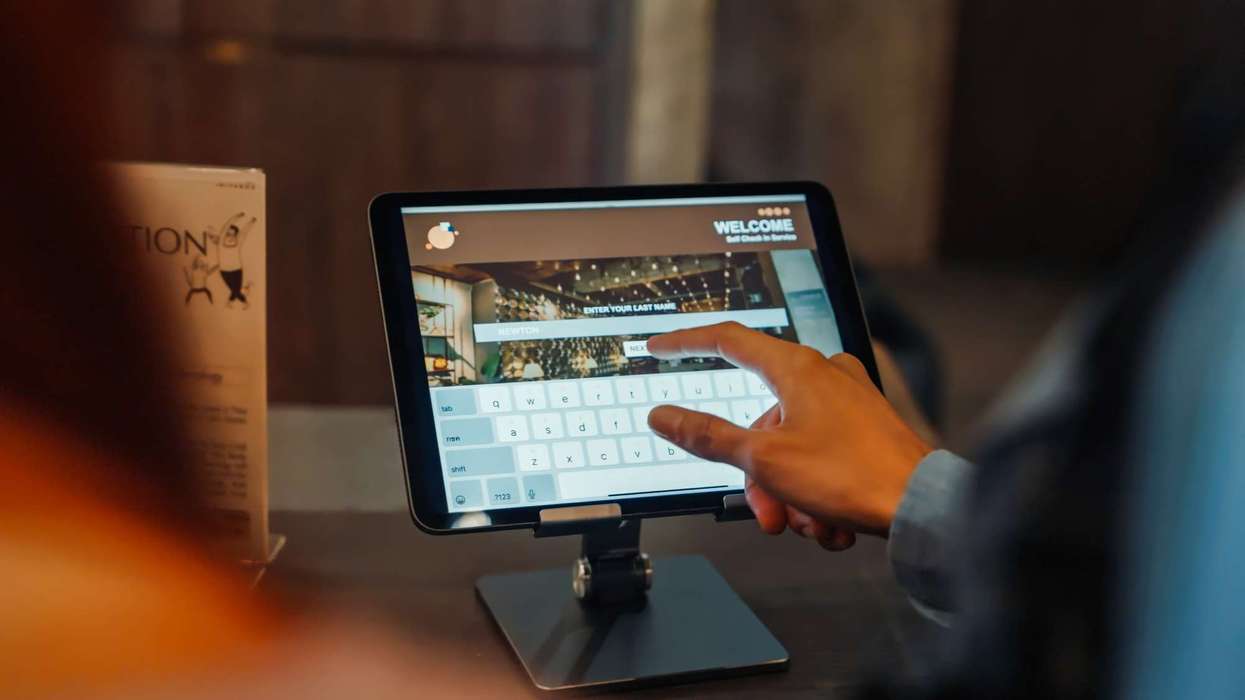 AI tools increasingly shape hotel discovery, comparisons and direct bookings.Photo credit: iStock
Personal AI agents can also connect to a traveler's email, calendar and payment details to search for hotels, compare prices and contact properties. Hotels may need to make details about room rates, availability, amenities and loyalty benefits easier for these tools to read.
Hotel costs put pressure on profits
Hotel operating costs are rising four times faster than revenue. Between 2019 and 2025, insurance costs rose 111 percent, utility costs increased 28 percent and labor costs climbed 15 percent.
Higher occupancy also means more rooms to clean and more staff hours. This can reduce the profit hotels make from higher RevPAR. Brands are reviewing fees, offering lower-cost hotel technology and improving staff schedules and energy use to control costs.
Owners must weigh the chance of getting more bookings against brand fees and operating costs. They also need to consider how much business a hotel needs to cover its costs as RevPAR growth returns to more normal levels.
A Cushman & Wakefield report found that U.S. hotels recorded their strongest quarterly RevPAR growth in more than three years in the third quarter of 2026.