
- Tech is playing a larger role in travel planning.
- Travelers are relying more on digital tools.
- Remote work enables longer trips, more Bleisure.
TECHNOLOGY IS PLAYING a larger role in how travelers research, plan and manage trips, according to Allianz Partners. The shift could reshape hotel guest expectations.
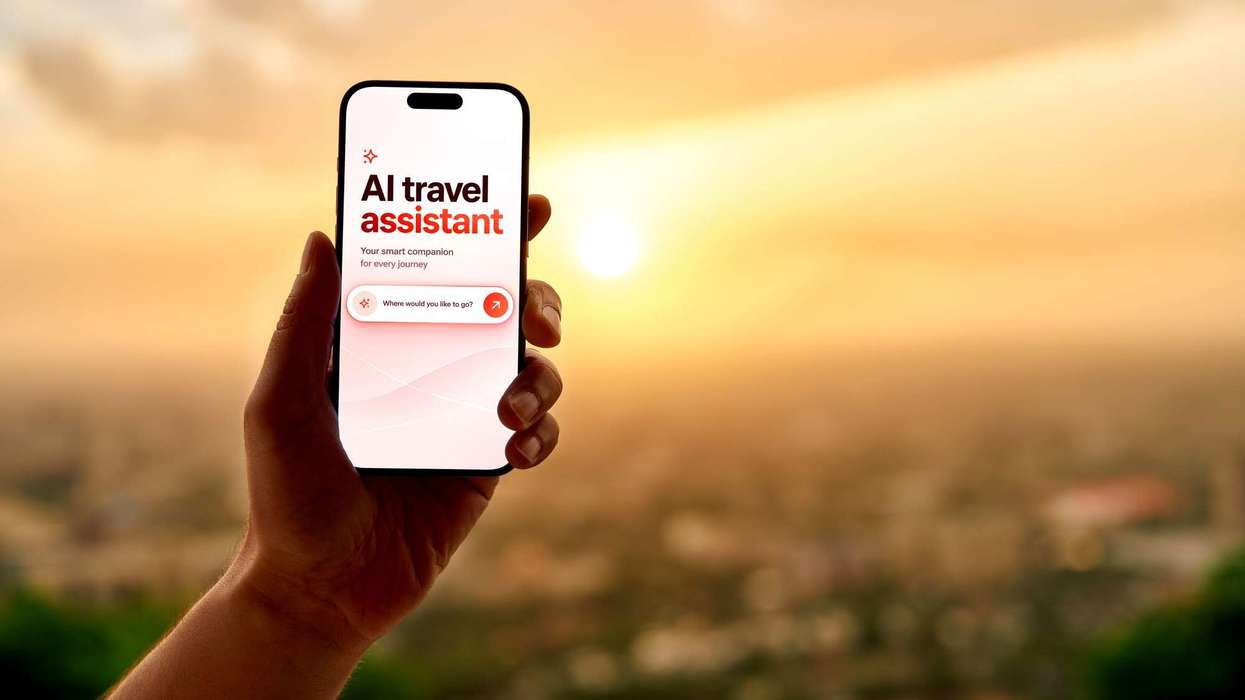
Allianz Partners' “2026 Global Travel Confidence Index” found that 37 percent of Americans planning to travel this summer are using or plan to use artificial intelligence to plan their trips. Common uses include destination recommendations, itinerary creation, restaurant suggestions, budgeting and travel research.
"Technology is transforming how people research, plan and manage travel," said Emily Hartman, Allianz Partners general manager. "Today's travelers expect seamless digital experiences at every stage of their journey. From AI-powered trip planning to real-time travel assistance, the industry is evolving to meet those expectations and travel insurance is no exception. Travelers increasingly want protection that is accessible, personalized and available at their fingertips."
Travelers are increasingly relying on digital tools and personalized recommendations, creating opportunities for hotels to engage guests before arrival, the report said. AI-powered trip-planning platforms are influencing decisions on destinations, activities and dining.
The survey also found continued growth in bleisure travel as remote work enables travelers to combine business and leisure trips. Among respondents, 28 percent plan to work remotely while traveling, while 23 percent plan to adopt a digital nomad lifestyle for several months.
As technology becomes more central to travel, guests are placing greater emphasis on mobile-first experiences, the report said. Among travelers planning to buy travel insurance, 64 percent value support through a mobile app, 48 percent want to view and manage policies digitally and 45 percent want to file claims online and have disruptions handled automatically.
Younger travelers are leading the shift, the study said. Gen Z and Millennials are more likely than older generations to prioritize digital experiences, while Gen Z is the most likely to prefer self-service travel tools.
Ipsos Public Affairs, which conducted the poll, surveyed 2,001 U.S. adults.
A recent Click Boarding report found that more than half of U.S. hospitality workers ghosted a new employer during the hiring process, creating hiring challenges for employers.