
- H-1B lottery selection rates rose to above 50 percent in 2026.
- The increase is tied to policy changes by the Trump administration.
- Immigration firms, U.S. employers report higher success rates in lottery.
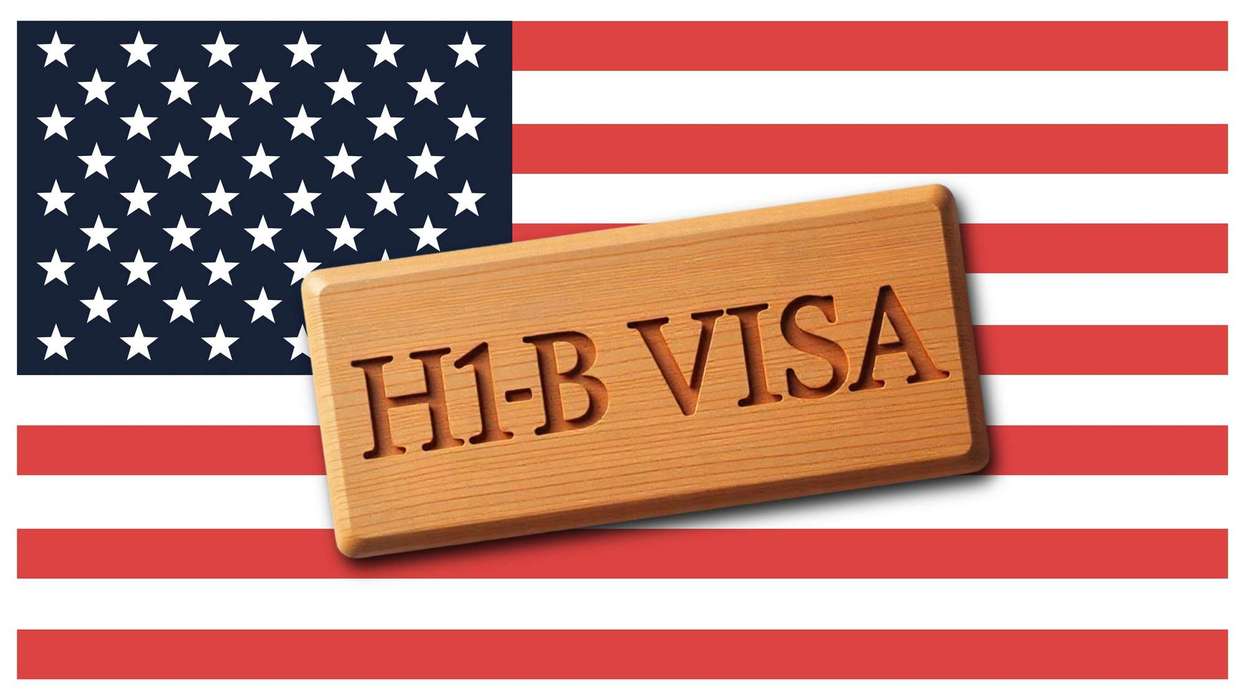
H-1B VISA LOTTERY selection rates rose from about 33 percent in previous years to above 50 percent overall and up to 75 percent in some cases. The increase is tied to policy changes introduced by the Trump administration that reshaped the H-1B program.
Immigration firms and U.S. employers are reporting higher success rates in this year’s lottery, according to Bloomberg Law. A weighted lottery system played a role, but the main factor has been a decline in applicants.
In December, the Trump administration finalized changes to the lottery system. The random selection process was replaced with a weighted framework that gives applicants up to four entries based on wage level, prioritizing higher-paid and more experienced candidates over entry-level workers.
At BAL, a business immigration law firm, some clients recorded selection rates above 60 percent. Ogletree Deakins, Erickson Immigration Group and Boundless Immigration also reported improved outcomes compared to prior years.
A key driver of the decline was the introduction of a $100,000 fee for hiring new H-1B workers from outside the U.S. The cost made international recruitment more expensive and discouraged some employers from participating.
Universities and hospitals that rely on H-1B workers were particularly affected, Bloomberg Law reported. Many scaled back or stopped overseas hiring. Tech companies and other cap-subject employers, which previously accounted for about 40 percent of new H-1B hires, also reduced sponsorship due to higher costs.
The tech sector, a major user of the program, slowed hiring after investing in AI and shifting to senior roles. Many employers have also been cautious amid policy changes.
Estimates from immigration firm Lawfully, cited by Bloomberg Law, put applications at 195,000 to 235,000 this year, down up to 43 percent from the previous year and the lowest since the online lottery system began in 2020. Three years earlier, applications exceeded 750,000. With the annual cap at 85,000 visas, the smaller applicant pool increased selection odds.
Immigration attorney Kelli Duehning of BAL called the $100,000 fee “the big delta” and said it drove higher selection rates. The fee also favored workers already in the U.S., since employers could enter them into the lottery without the additional cost. Legal challenges to the fee are underway in multiple federal courts. Even if overturned, proposed regulations could raise wage requirements and further change the program.
Meanwhile, U.S. Vice President JD Vance recently sparked debate over the H-1B visa program, raising concerns about alleged fraud while acknowledging the contribution of immigrants to the U.S. economy. Responding to an Indian-origin American student, Vance said those coming to the United States should prioritise U.S. interests and see themselves as Americans.
In January, CBS News reported that demand for the EB-1A visa, known as the “Einstein visa,” rose in the U.S. after H-1B bottlenecks, fuelling a market for purchased résumés, research papers, citations and awards. More Indian engineers, product leaders and researchers are filing EB-1A applications.