
- Fewer Americans plan holiday travel.
- 47 percent of Americans plan holiday travel.
- Travelers budget $2,792 for their longest trips.
“Holiday travel remains a priority for many Americans, but travelers are making more deliberate choices about whether, when and how to travel,” said Kate Ferrara, Deloitte vice chair and U.S. national sector leader for transportation, hospitality and services. “For travel providers, an opportunity is to offer options that balance value, flexibility and comfort."
The online survey of 4,272 Americans was conducted between Sept. 28 and Oct. 2. Of these, 2,019 respondents planning to travel between Thanksgiving and mid-January qualified as holiday travelers.
More trips, higher budgets
Travelers who plan to go away expect to take an average of two trips this season, up from 1.8 in 2025. They also expect to spend an average of $2,792 on their longest trip, including transportation and lodging. This is a 5 percent increase from last year. About 23 percent expect their budget for this trip to rise significantly, compared with 19 percent in 2025.
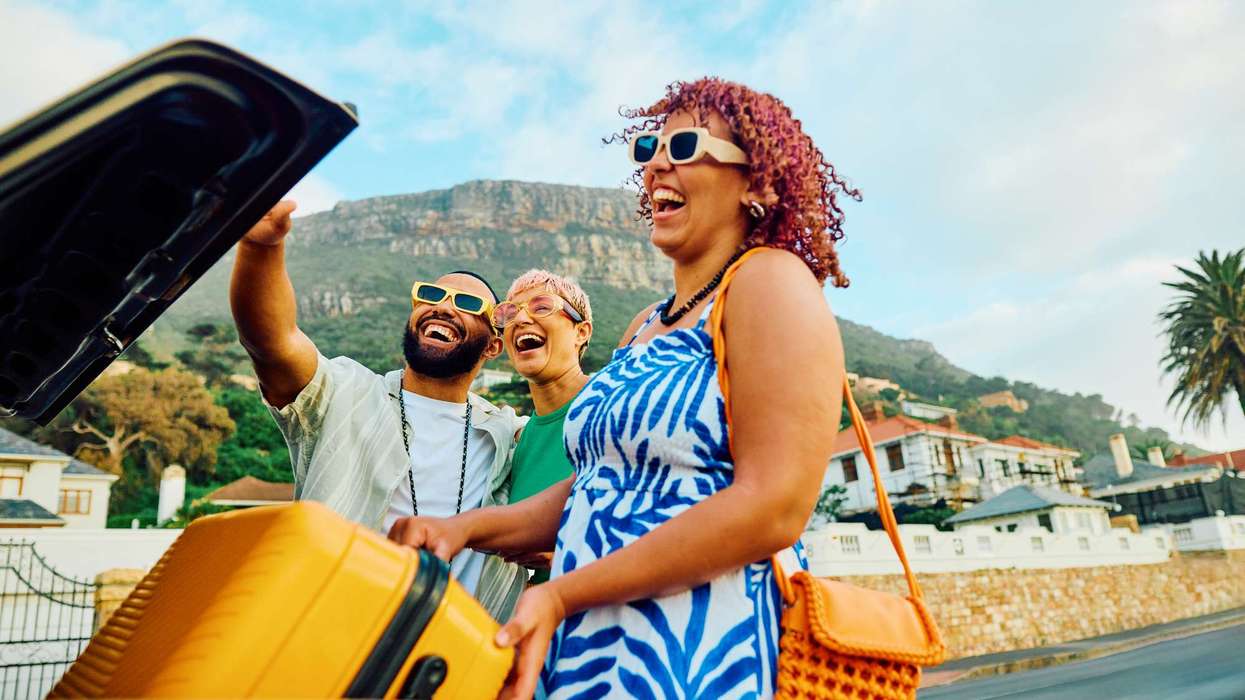 Travelers plan more trips and higher holiday spending this season.Photo credit: iStock
Thanksgiving is expected to account for the largest share of holiday travel, with 31 percent of planned trips taking place during this period. Christmas through New Year's Eve follows with 28 percent. By comparison, 40 percent of trips during the Christmas and New Year's period are expected to last four to six nights.
Some travelers are also choosing to travel after the holiday period. Among Americans earning $200,000 or more who do not plan to travel during the holidays, 34 percent said they intend to take trips later.
However, not all travelers plan to spend more. Some are shortening their trips, reducing spending at their destinations or choosing less expensive lodging to manage costs. Others are willing to spend more on specific parts of their holidays.
Hotels lead lodging choices
Full-service hotels are expected to be the most popular accommodation choice for travelers' longest holiday trips, with 41 percent planning to stay in one. Travelers are also giving more attention to hotel service, loyalty memberships and location when choosing where to stay.
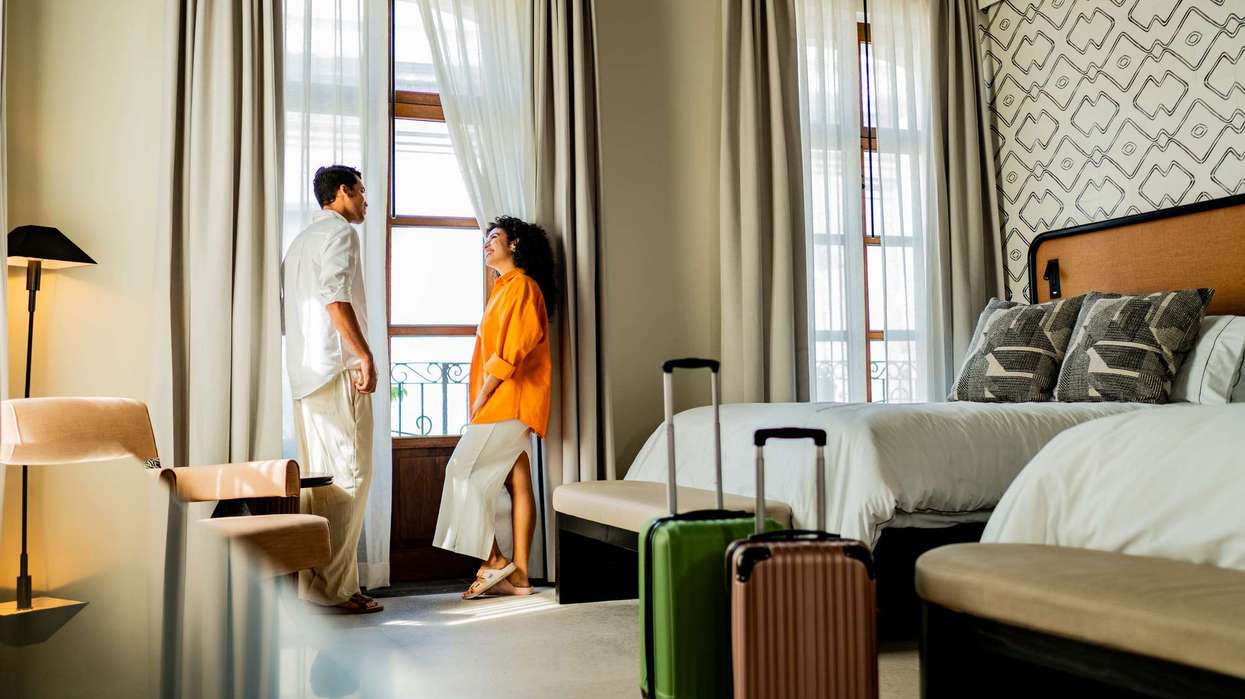 Travelers favor full-service hotels for longer holiday stays.Photo credit: iStock
Half of surveyed holiday travelers expect to fly for their longest trip, and one-third of them plan to take an international flight. Among those planning to fly, 45 percent expect to book premium fares, including upgraded economy, business or first class. Millennials show a stronger preference for these fares, with 52 percent planning to book them, Deloitte said.
Some travelers are also planning to spend more on their experiences. Among those expecting to increase their holiday budgets, 31 percent plan to spend more at their destinations and 26 percent expect to choose more luxurious lodging. Nearly one-quarter of travelers who drove to their destination in 2025 expect to fly this year.
Booking preferences are also changing. More travelers are considering online travel agencies and traditional travel agents to compare prices. About 24 percent expect to use these channels to book flights, while 28 percent plan to use them for hotel bookings.
AI aids trip planning
Generative artificial intelligence is becoming a more common tool for travel discovery and planning. Twenty-nine percent of surveyed travelers expect to use it this year, up from 24 percent in 2025 and 8 percent in 2023.
Millennials lead in adoption, with 35 percent planning to use generative AI for travel planning. Among baby boomers, the share is 16 percent, close to the 17 percent who use social media. Travelers using AI most often seek recommendations for activities and attractions and restaurants.
Interest in cruises has also increased. The share of travelers planning to take a cruise on their longest holiday trip has doubled from the previous survey. December before Christmas is expected to be the busiest period for cruises, with 29 percent of planned cruise trips taking place during that time.
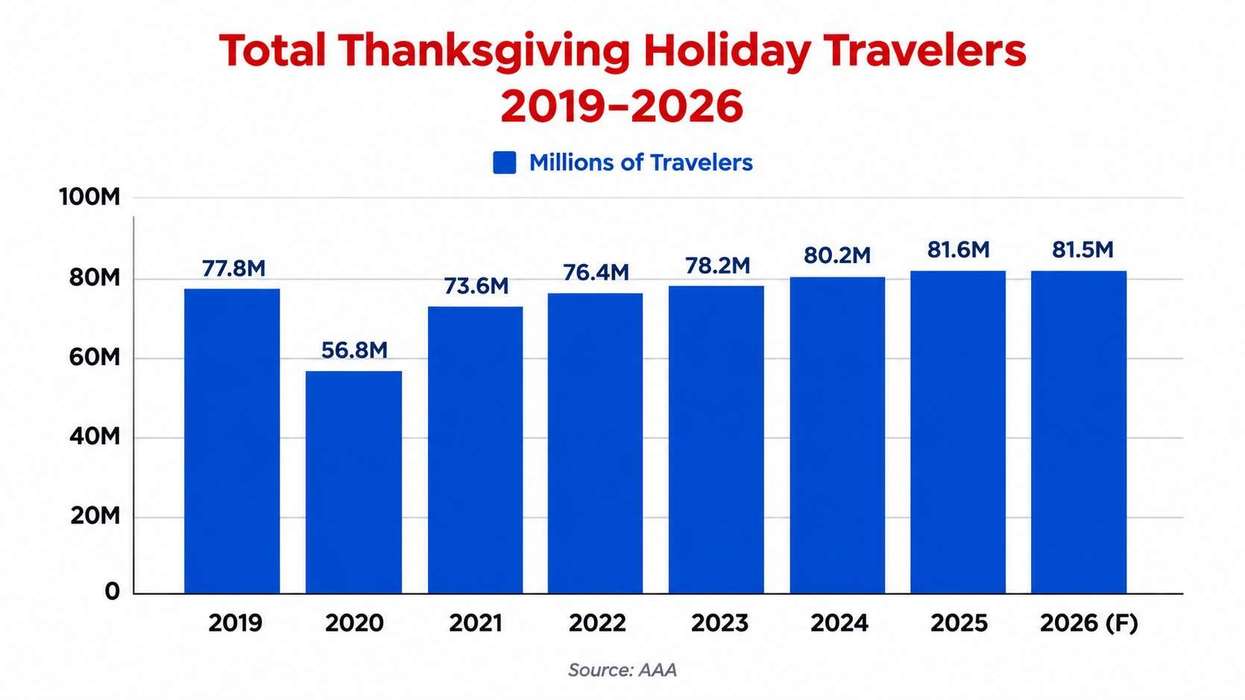
Separately, AAA expects 81.5 million Americans to travel at least 50 miles from home for Thanksgiving, down 0.1 percent from last year. Higher travel costs are contributing to the slight decline, while road travel remains the most popular option.