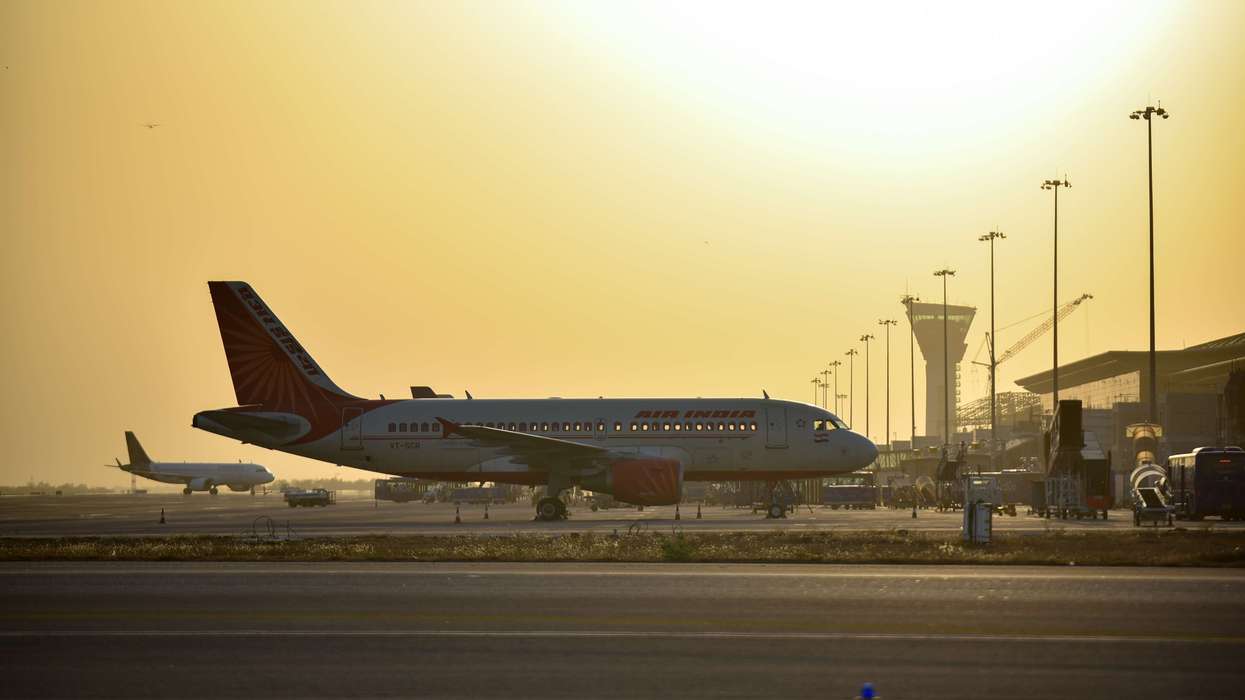

- ICRA revises FY27 aviation loss to $3.81 to $4.02 billion.
- Domestic traffic growth forecast cut to 3 to 6 percent.
- ATF prices remain 26.9 percent higher year on year.
"The onset of the West Asian conflict since the end of February 2026 is expected to result in subdued air passenger traffic growth in fiscal year 2027," ICRA said.
Traffic forecasts were also cut. Domestic passenger growth for fiscal year 27 was revised down to 3 to 6 percent from an earlier estimate of 6 to 8 percent. International traffic growth for Indian carriers was lowered to 0 to 3 percent from a previous forecast of 8 to 10 percent. Indian carriers saw a 39 percent year-on-year drop in international passengers in April 2026 due to airspace disruptions linked to the conflict. For all of fiscal year 26, international passenger traffic for Indian carriers grew 3.9 percent to 350 lakh.
Despite the weaker overall picture, domestic demand held up in May. Airlines carried 15.64 million passengers, up 11.3 percent year on year, partly helped by a low base after last year's disruption following the Pahalgam attack.
The passenger load factor came in at an estimated 88.8 percent in May, up from 83.9 percent a year earlier and 82 percent in April, showing that airlines continued to fill seats even as ticket prices went up. Domestic carriers operated around 103,515 flights in May, up 5.1 percent year on year.
Cost pressure continues
Fuel costs remain a major pressure. ATF prices in June were unchanged from April and May but were still 26.9 percent higher than a year ago. In the first quarter of fiscal year 27, ATF prices were 22.8 percent higher compared with the same period last year.
Fuel makes up 30 to 40 percent of airline operating costs, while 35 to 50 percent of total expenses are in dollars, leaving airlines exposed when the rupee weakens. Ongoing aircraft deliveries are also expected to push up lease costs going forward.
The government introduced some relief measures. These include a 25 percent cut in landing and parking charges, a $529 million Emergency Credit Line Guarantee Scheme under ECLGS 5.0, and a newly approved $1.06 billion ATF Price Stabilisation Fund to help reduce fuel price swings. Around 99 aircraft remained grounded as of March 2026 due to supply chain problems and Pratt & Whitney engine issues, making up 11 to 13 percent of the fleet, though that is better than the 20 to 22 percent grounded in September 2023.
ICRA maintained its outlook on the aviation sector, saying airlines are unlikely to fully pass on higher costs to passengers through fare increases, which means the financial pressure is expected to continue through the year.
Recently, Prime Minister Narendra Modi urged Indians to cut overseas travel and spending amid the Iran conflict and rising fuel prices.