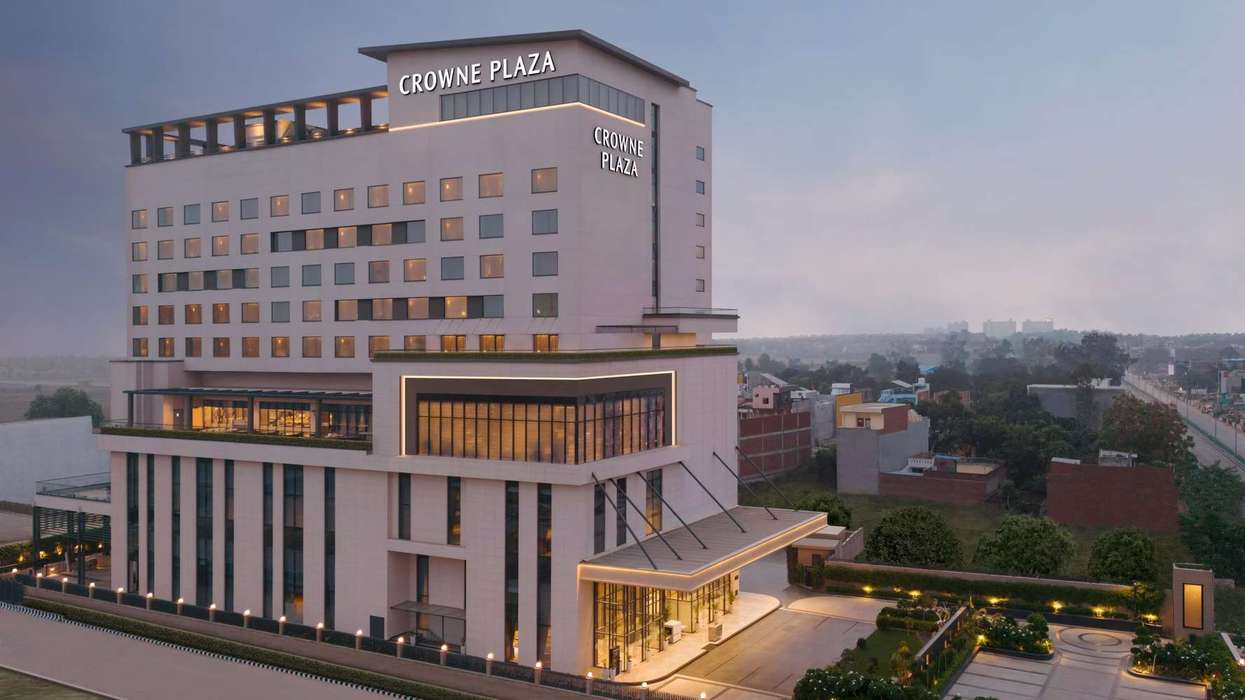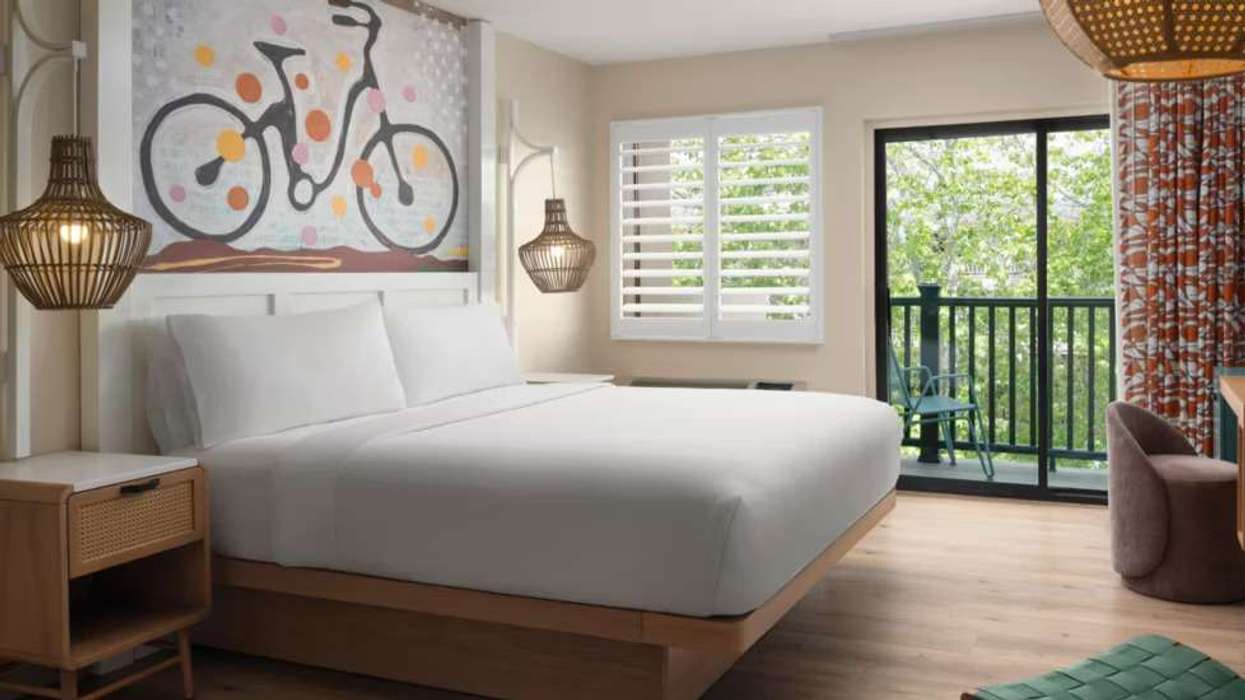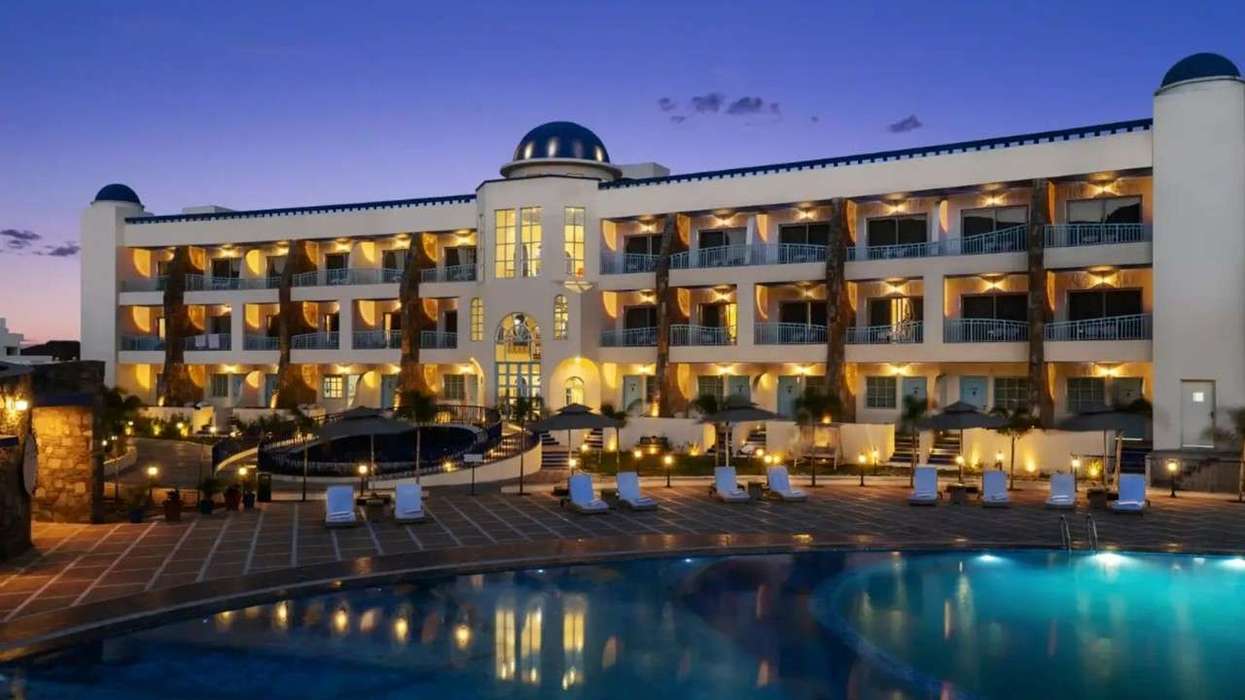

- Ramee has 25 signed properties in India.
- The group targets Tier-2 markets with limited branded supply.
- Four more hotels are scheduled to open in FY2026-27.
RAMEE GROUP OF Hotels’ India expansion is focused on tier-2 cities and emerging destinations, where branded hotel supply remains limited. The group aims to build a pan-India portfolio by targeting demand from business, leisure and spiritual travel.
The group sees potential for upper-midscale hotels in Coimbatore, Tamil Nadu; Gaya, Bihar; Dwarka, Uttar Pradesh and Solapur, Maharashtra.
“Our priority is to build the right portfolio in markets where the demand for quality branded hospitality is growing and organised supply is still limited,” said Saurab Gahoi, senior vice president of Ramee Group of Hotels, in an interview with Asian Hospitality.
Gahoi said improving connectivity and economic activity are creating travel demand beyond major metropolitan areas.
Ramee had nine hotels in India in early 2023. It now has 25 signed properties, 15 of them operational, and plans to open four more hotels in 2026-27. An asset-light strategy that limits capital requirements has supported the expansion.
Asset-light growth
 Ramee expands through franchise partnerships and management agreements. Pictured is Saurab Gahoi, Ramee's SVP.Photo credit: Ramee Group
Ramee plans to rely on management and franchise agreements to expand its network. Local partners provide the properties, while the group brings its operating systems, brand standards and food and beverage capabilities.
“For Ramee, the asset-light approach gives us the ability to build a wider network while remaining disciplined with capital,” Gahoi said.
He said many owners in emerging markets understand their destinations and have access to suitable properties but need a professional hospitality platform to operate them.
The model lets them use Ramee’s systems while retaining ownership of their assets.
Before entering a market, Ramee assesses connectivity, local economic activity and travel demand. A destination should have access from a major city, a clear reason for leisure or experiential travel, or a corporate and industrial base that generates regular business demand. The group considers a market seriously when at least two of these factors are strong.
“In many of these destinations, a 40- to 60-room hotel can be more appropriate than a large-format property,” Gahoi said.
Smaller hotels allow a more focused product that matches actual demand, he said.
Three demand segments
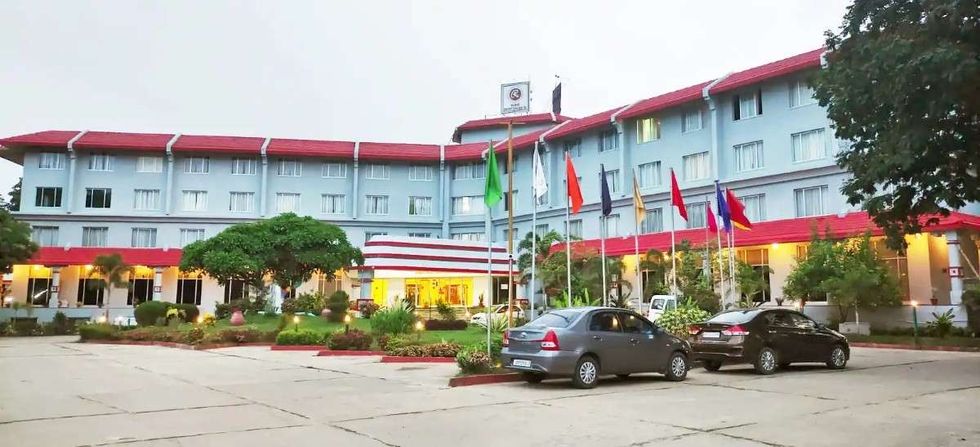 Spiritual destinations have emerged as a high-growth segment. Pictured is Ramee Guestline Hotel in Tirupati, Andhra Pradesh, near the Tirumala Sri Venkateswara Swamy Temple.Photo credit: Ramee Group
Ramee’s portfolio spans business, leisure and spiritual destinations. Business travel supports weekday occupancy and corporate relationships, while leisure properties attract weekend and holiday guests. Spiritual circuits generate demand around festivals and pilgrimages.
“The balance lies in designing properties that can serve multiple segments within the same location,” Gahoi said.
The group aims to serve these segments through flexible room designs, varied dining options and banquet facilities.
Gahoi said spiritual destinations have emerged as a high-growth segment, supported by government investment in infrastructure around pilgrimage cities.
Business travel remains important for base occupancy, while leisure properties add brand visibility and attract a different demographic.
Localization and service standards
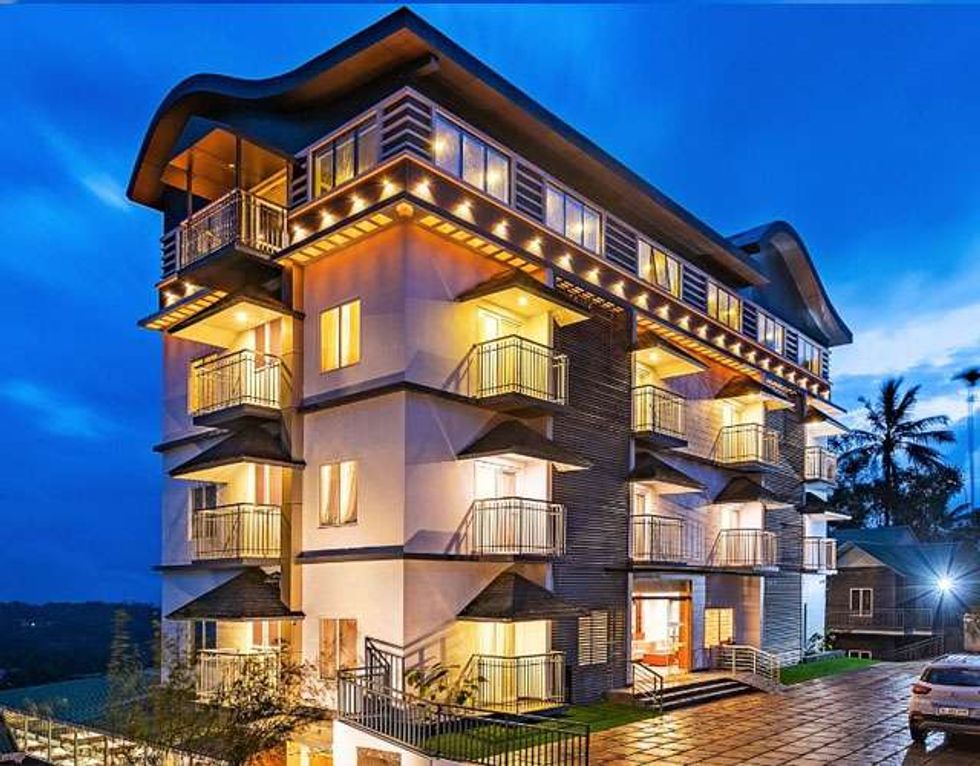 Ramee balances local preferences with consistent brand standards and regional cuisine. Pictured is Ramee Wolkenburg Resort & Spa in Munnar, Kerala.Photo credit: Ramee Group
Ramee adapts its hotels to local preferences while maintaining consistent brand standards. Its properties and projects include destinations such as Rajkot, Solapur, Munnar and Gaya.
“A hotel should carry the Ramee identity, but it should also have a clear connection with the destination,” Gahoi said.
Food and beverage operations reflect regional tastes, drawing on the group’s restaurant heritage. Local hires bring language skills and knowledge of cultural practices, festival calendars and travel patterns.
Core procedures for check-in, housekeeping, food safety and staff training remain consistent across properties. Regional teams conduct quarterly reviews, while central leadership monitors performance and guest feedback. This allows hotel products to vary by market without compromising service standards.
Approval hurdles
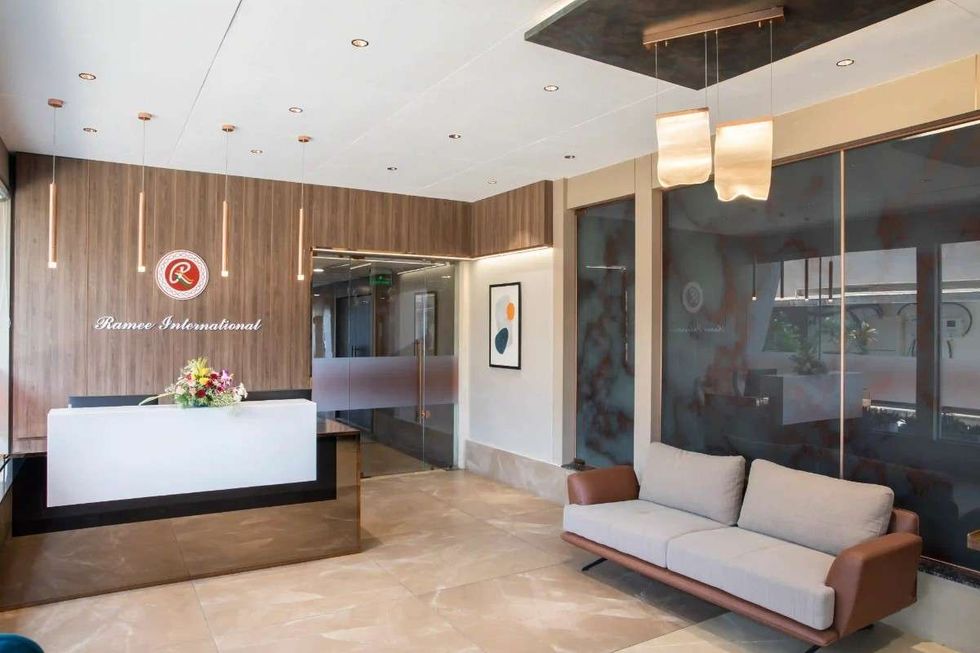 Ramee strengthens local partnerships and staff training as it expands. Pictured is Ramee International Hotel in Surat.Photo credit: Ramee Group
Infrastructure, talent availability and regulatory procedures vary across emerging markets. Hotel projects may require clearances from several authorities, and differences in approval timelines can raise costs and delay openings.
“A more coordinated single-window system would make a meaningful difference to hotel development,” Gahoi said.
Ramee is also investing in staff training and local partnerships as it grows beyond the major metros.
The Hotelivate-Savills 2026 Indian Hospitality Trends & Opportunities Report found that India’s branded hotel pipeline is nearing existing room supply, with available room nights growing 5.8 percent in 2025-26, outpacing the 5.6 percent increase in occupied room nights for the first time since 2020-21.