
- Hotels saw more organic bookings.
- Organic revenue rose 116 percent.
- Some properties saw up to 60 percent gains.
GEO emerged with the growth of artificial intelligence-powered search. Travelers use AI tools and search engines to find hotel and properties need to make their websites easier to find and understand. GEO helps hotels appear in AI-generated responses, while SEO improves their visibility in traditional search results.
The findings come from Cendyn’s hotel visibility report, based on 148 hotels worldwide. Hotels in the study averaged 66 percent growth in organic bookings and a 116 percent rise in organic revenue. The figures point to a link between GEO and stronger organic search performance.
“Search is becoming more fluid, fragmented, and increasingly shaped by AI,” said Nicki Graham, Cendyn chief marketing officer. “Hotels that invest now will be better positioned to turn the evolution of search into a competitive marketing advantage, strengthening their visibility today while building resilience for whatever comes next.”
How travelers search now
Travelers use traditional search engines, AI tools, online travel agencies, review sites and hotel websites when looking for places to stay. They use these channels at different points in the booking process. Hotels need to understand how travelers search for information.
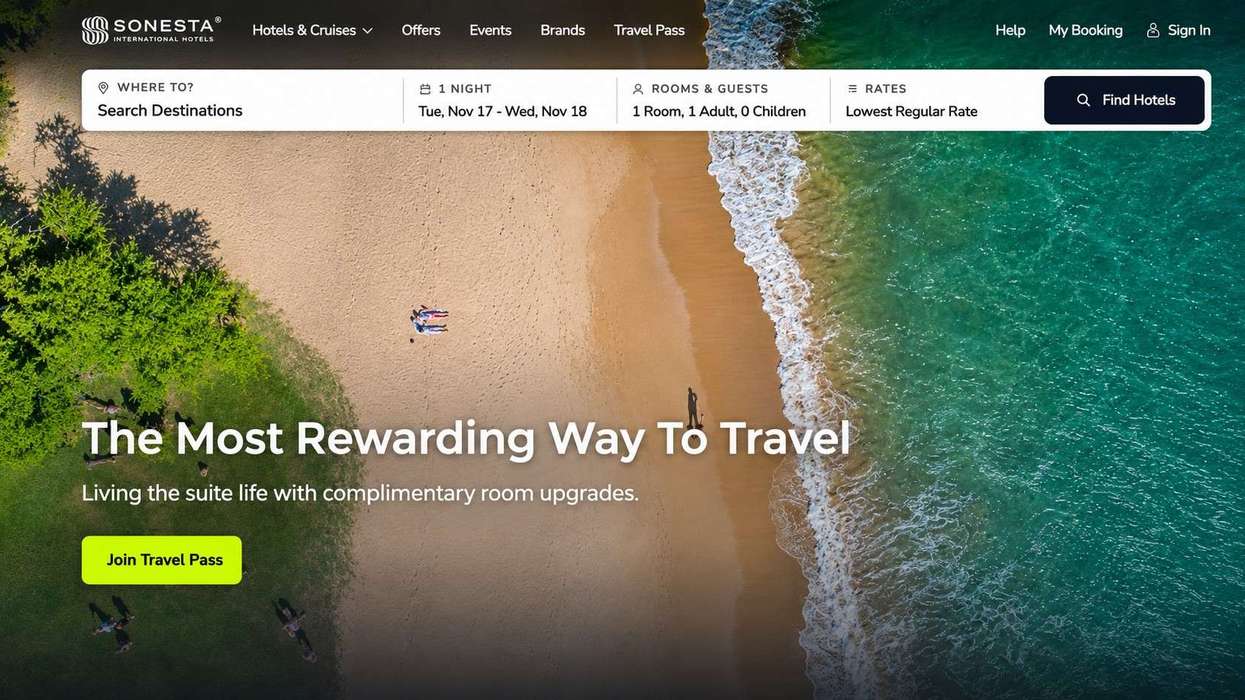
Sonesta International Hotels recently launched a redesigned website to make it easier for travelers to find hotels and book directly. IHG Hotels & Resorts and Marriott International have also introduced AI-powered search tools on their websites and apps.
Hotels need to be easy to find, understand and trust at every stage, according to Cendyn. Good content, strong technical support, clear information and reliable sources can help improve their visibility. These also help hotels give travelers the information they need.
 Hotels improved online visibility through better website content.Photo credit: iStock
Hotel content needs to answer the questions travelers ask. It should not focus only on standard keyword combinations. Hotels also need to consider how people ask questions when using conversational search tools.
Some properties recorded gains of up to 60 percent when their keywords helped make content useful and easy to find. Strong SEO remains important. However, content strategies also need to reflect how travelers use conversational search.
Planning around demand
A separate guide on 2027 planning recommends creating a demand calendar before setting marketing budgets. It divides the year into milestone events and need periods. The remaining weeks form the baseline for the plan.
Milestone events include holidays, concerts, sporting events and other occasions that bring in demand. Need periods include shoulder weeks and midweek stays, when demand may be lower. Hotels can use the calendar to see when they need to capture existing demand and when they need to attract more bookings.
 Hotels use event calendars to plan bookings.Photo credit: iStock
The guide highlights a planning point for 2027. U.S. hotels had higher demand in June and July because of one-time events, including the FIFA World Cup and the America250 anniversary. Comparing these months with the same period in 2027 could be misleading if hotels treat the 2026 demand as normal.
Hotels are advised to plan for June and July 2027 based on their own market conditions and future demand signals. The guide warns against using unusual demand from 2026 as the basis for the following year's budget.
Direct and OTA bookings
The guide estimates that a direct booking costs hotels 4 to 7 percent of the room rate. This includes payment processing and booking-engine fees. The cost can also fall when guests book directly with the property again.
Bookings through OTAs cost hotels an average of 15 to 30 percent in commission fees. These costs can be higher when hotels pay for preferred placement. This makes the choice of booking channel an important part of a hotel's marketing plan.
For milestone weeks, the guide recommends focusing more on direct bookings to capture existing demand. OTAs can be used as a secondary channel during these periods. This can help hotels protect room rates and manage booking costs.
During need periods, OTAs can become the main source of bookings when direct channels alone cannot fill rooms. Hotels can use them to reach more customers during slower periods. The guide recommends choosing booking channels based on demand and the hotel's booking goals for each period.
A recent Operto study found that third-party booking sites ran about 1.1 million ads targeting 204,000 hotels worldwide over 31 days. The U.S. accounted for about 575,000 ad impressions, with 66,900 hotels targeted. These ads can divert travelers searching for specific hotels away from their direct booking channels.