
THE AMERICAN HOTEL & Lodging Association philanthropy branch AHLA Foundation has launched a trafficking prevention training program for the hotel industry in collaboration with ECPAT-USA and Marriott International to mark the World Day Against Trafficking in Persons observed on July 29, a statement said.
The program titled “Recognize and Respond: Addressing Human Trafficking in the Hospitality Industry" was developed by Marriott by partnering with non-profit organizations and survivor experts. It includes learning paths for associates and managers around increased guidance on responding to potential trafficking situations and interacting with potential victims.
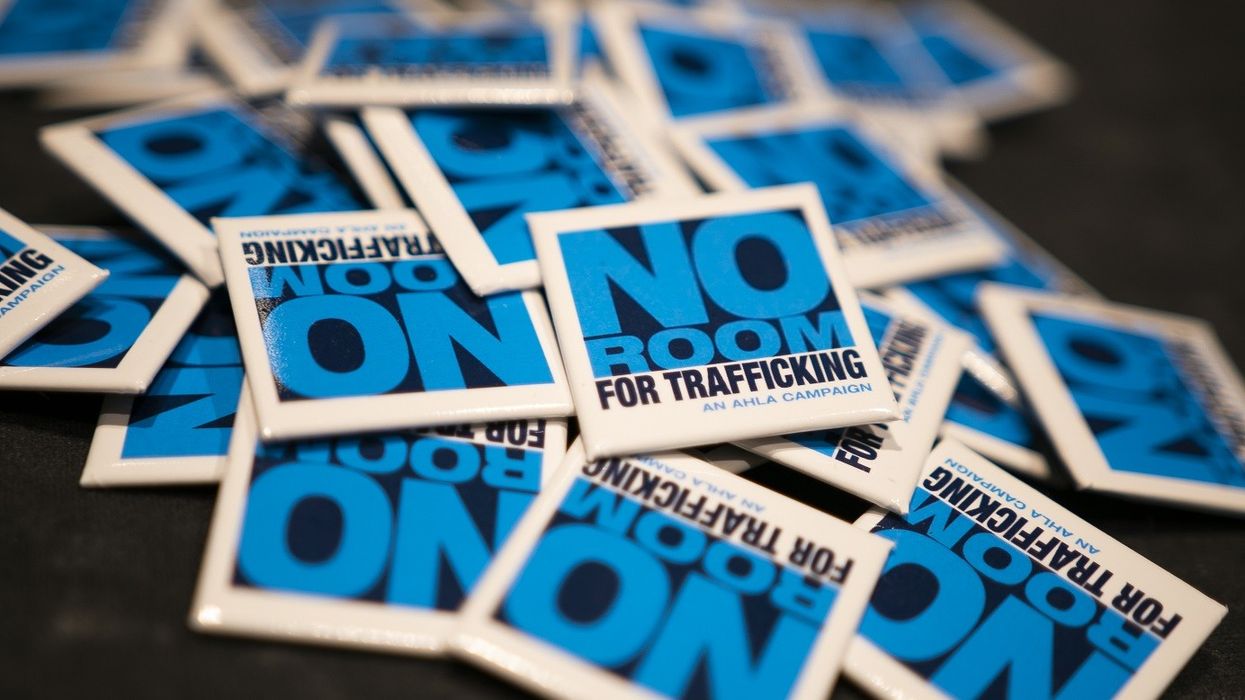
It is available to the hotel industry through ECPAT-USA’s online learning platform for free, the statement said. The new initiative advances the American Hotel & Lodging Association and AHLA Foundation's “No Room for Trafficking” awareness program which raises awareness about human trafficking.
“One of No Room for Trafficking’s goals is to train every single hotel employee to identify and respond to a potential human trafficking situation. Through this innovative new training, the industry as a whole will be better equipped to help identify and stop cases of human trafficking,” said Chip Rogers, president and CEO of AHLA. “We are extremely grateful to Marriott International and leading trafficking prevention partners who are offering this free training with support from the AHLA Foundation.”
Last month, the AHLA Foundation hosted a No Room for Trafficking Summit in Washington, D.C. to discuss emerging trends and areas of innovation to eradicate human trafficking and support survivors.
A total of $1 million was announced in donations from Hyatt Hotels Foundation, G6 Hospitality, and Extended Stay America to launch the No Room for Trafficking Survivor Fund during the event.
“We know first-hand that our training helps associates recognize and respond to human trafficking, and we are proud that it will have an impact well beyond Marriott’s workforce,” said Anthony Capuano, CEO of Marriott International. “Working together with the AHLA Foundation and ECPAT-USA, we are equipping the broader industry with an innovative and effective tool to combat human trafficking.”
"ECPAT-USA is honored to partner with the AHLA Foundation and Marriott International in our work to end human trafficking and child sexual exploitation and is grateful for their continued leadership and support. 'Recognize and Respond: Addressing Human Trafficking Hospitality Industry' will serve as a timely and deeply impactful resource for the entire travel sector,” said Lori Cohen, CEO of ECPAT-USA.
“There is no greater moral cause for our industry than ending the scourge of human trafficking. As we mark World Day Against Trafficking in Persons, we are extremely proud of our industry’s efforts and commitment to human trafficking prevention and training all hotel employees,” said Eliza McCoy, vice president of Awareness & Prevention Programs of the AHLA Foundation.