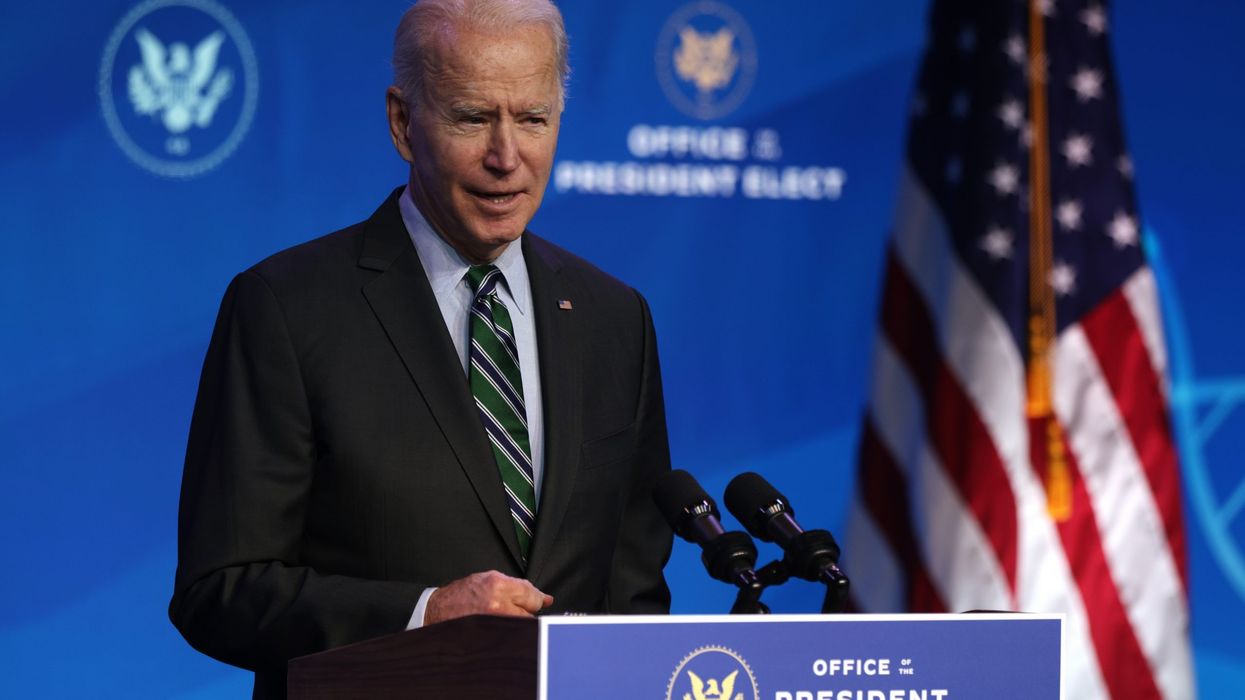

PRESIDENT-ELECT JOE Biden has announced his plan to fight the COVID-19 pandemic and restore the economy. It includes elements that will benefit the travel industry and hasten the recovery, according to the U.S. Travel Association.
Biden’s American Rescue Plan would include funding for vaccine distribution as well as financial relief for individuals, state and local governments and small businesses, according to the Tax Foundation. Overall it features about $1.9 trillion in relief.
“Accelerating the distribution of vaccines is the key to getting travel back to normal, and we applaud President-elect Biden’s emphasis on a robust federal leadership role to get as many people vaccinated as quickly as possible,” said Roger Dow, USTA’s president and CEO in a statement. “Further, we are encouraged by the measures to provide additional grants and loans to small businesses in the hardest-hit industries, which include travel. The Paycheck Protection Program is set to expire in March, but the economic hardships of the pandemic will persist, so it is important that struggling businesses continue to receive aid to maintain operations and keep workers on payrolls.”
The plan includes a $1,400 direct payment for individuals in addition to the $600 passed as part of the Consolidated Appropriations Act of 2021 in December, according to the Tax Foundation. It also would provide $15 billion in grants to small businesses to help recover from the pandemic as well as $35 billion in government funding to provide $175 billion in loans to small businesses as part of the relief part of the plan.
Details are still pending on the recovery side of the plan, the foundation said, but more information is expected in the coming weeks.
“Initiatives would include infrastructure, clean energy projects, and spending on health care and education. It is likely that the recovery plan would include revenue offsets to help pay for the various programs. Some of the revenue offsets up for discussion are a corporate tax rate increase or higher taxes on high-income earners,” it said. “The combined relief and recovery plan proposed by President-elect Biden would be larger than the $935 billion relief package included in the CCA21 and rival the $2.2 trillion CARES Act enacted in March 2020. The American Rescue Plan alone will cost an estimated $1.9 trillion, bringing the total amount of relief over the past year to exceed $5 trillion.”
Dow said the plan will be a “lifeline” to help travel-related businesses survive until the pandemic passes.
“We are grateful to President-elect Biden for his focus on combating the virus and providing relief to America’s hard-hit industries, and we look forward to working with the new administration on additional recovery and stimulus measures,” he said.
Biden will be sworn in Wednesday amid heightened security in connection to the Jan. 6 storming of the national capitol in Washington, D.C., by supporters of President Trump. The rioters, believing the election had been stolen from Trump, sought to interrupt Congress as it certified the votes.