
- The U.S. will require citizens from 50 countries to post $15,000 bonds.
- 12 countries were added to a list of 38 nations, mostly in Africa.
- Human rights groups have condemned Trump’s immigration policies.
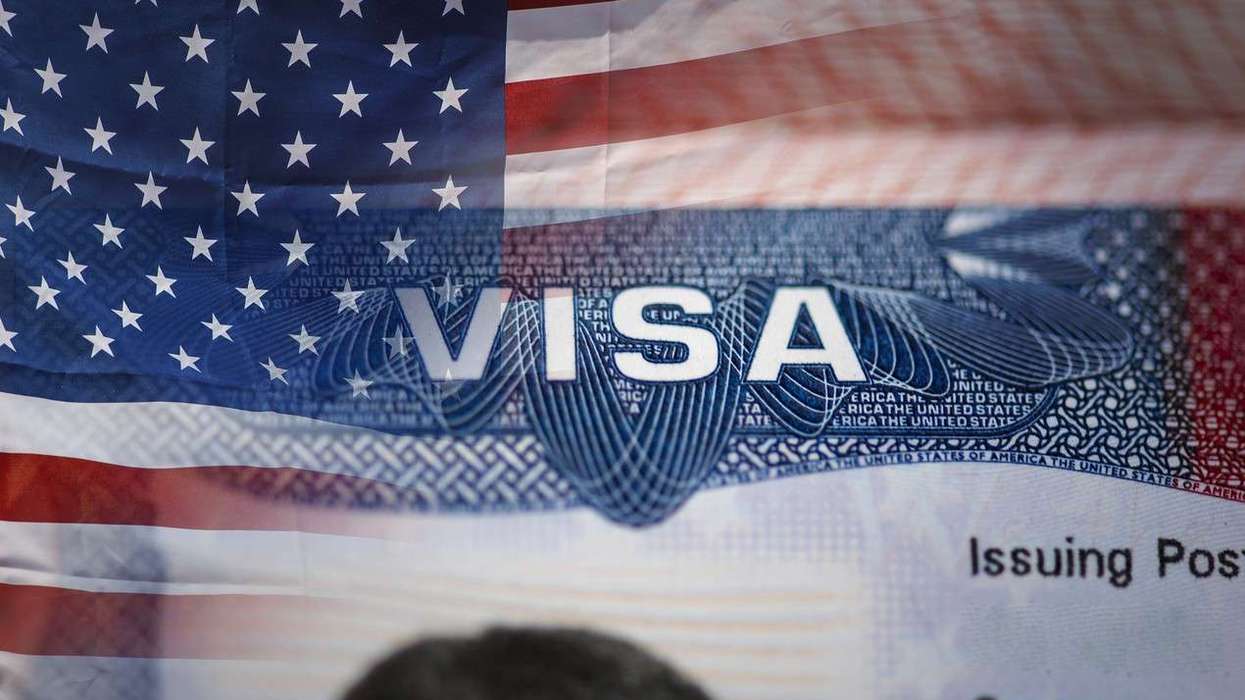
THE TRUMP ADMINISTRATION will require citizens from 50 countries to post $15,000 bonds to apply for U.S. entry, adding 12 countries to a list that already includes 38 nations, mostly in Africa. The expanded visa bond program, requiring foreign nationals to pay $15,000 for a B1 or B2 visa, takes effect April 2.
The new countries are Cambodia, Ethiopia, Georgia, Grenada, Lesotho, Mauritius, Mongolia, Mozambique, Nicaragua, Papua New Guinea, Seychelles and Tunisia, according to Reuters.
“The United States is expanding visa restrictions to an additional 12 countries, bringing the total to 50 countries, to address high rates of visa overstays and protect the integrity of our immigration system,” the U.S. Department of State wrote on X.
Officials told Reuters that bonds will be returned to visa recipients who comply with the visa and bond terms or do not travel, aiming to prevent overstays.
Under the new system, applicants may be asked to post a bond of $5,000, $10,000, or $15,000 based on a risk assessment during the visa interview, according to the State Department. The bond is a security deposit, not a fee and will be refunded if the traveler complies with visa terms, including leaving the U.S. on time. Posting the bond does not guarantee visa approval; applicants must first be eligible and a consular officer may then require the bond.
Travelers required to pay the bond must submit Form I-352 (Immigration Bond) and make payment through the U.S. government’s Pay.gov, the department said. Payments through third-party sites will not be recognized or refunded. Applicants should only pay after receiving instructions from a consular officer.
The department said bond holders must enter and leave the U.S. through designated commercial airports, including those with U.S. preclearance. “Land borders, seaports, charter flights and private aircraft cannot be used. Failure to follow these rules may result in denied entry or problems with departure records,” it said.
The bond will be refunded if the traveler departs the U.S. within the allowed period, does not use the visa before it expires, or is denied entry at the port of entry. If a traveler overstays or violates visa conditions, USCIS may determine a bond breach, including leaving late or attempting to change immigration status, such as seeking asylum. In these cases, the bond is forfeited.
What’s next?
Since taking office last January, Trump has pursued a strict immigration policy, including deportations, visa and green card revocations and reviews of immigrants’ social media and past speeches. Last June, he issued a travel ban blocking citizens of 19 nations from entering the U.S. on national security grounds.
Human rights groups have condemned Trump’s immigration and travel policies, saying they limit due process and free speech. Trump and his allies say the policies aim to improve security.
The 38 countries previously included in the visa bond program are Algeria, Angola, Antigua and Barbuda, Bangladesh, Benin, Bhutan, Botswana, Burundi, Cabo Verde, Central African Republic, Cote d’Ivoire, Cuba, Djibouti, Dominica, Fiji, Gabon, The Gambia, Guinea, Guinea-Bissau, Kyrgyzstan, Malawi, Mauritania, Namibia, Nepal, Nigeria, Sao Tome and Principe, Senegal, Tajikistan, Tanzania, Togo, Tonga, Turkmenistan, Tuvalu, Uganda, Vanuatu, Venezuela, Zambia and Zimbabwe.
In January, Trump reportedly suspended visa processing for visitors from 75 countries, including Pakistan, Bangladesh and Russia.