
- The U.S. will add nearly 65,000 H-2B seasonal worker visas through Sept. 30.
- Hotel groups welcomed the release the additional visas.
- H-2B visas help hotels and resorts in remote areas fill seasonal jobs.
THE TRUMP ADMINISTRATION will add about 65,000 H-2B seasonal worker visas through Sept. 30, according to a Federal Register notice. The action by the Departments of Homeland Security and Labor will double the number of H-2B visas this year.
The expansion raises the cap by 64,716 for fiscal year 2026, a move that departs from the administration’s recent immigration policies. Hotel groups, including the American Hotel & Lodging Association, welcomed the release of the additional visas. The H-2B visa program helps hotels and resorts in remote destinations fill seasonal jobs, AHLA said in a statement.
“As the hotel industry prepares to welcome the world for major celebrations this year, we applaud today’s temporary rule releasing tens of thousands of much-needed H-2B visas,” said Rosanna Maietta, AHLA president and CEO. “These visas, part of a legal guest worker program, are critical to helping hotels address staffing shortages and maintain the level of service guests expect.”
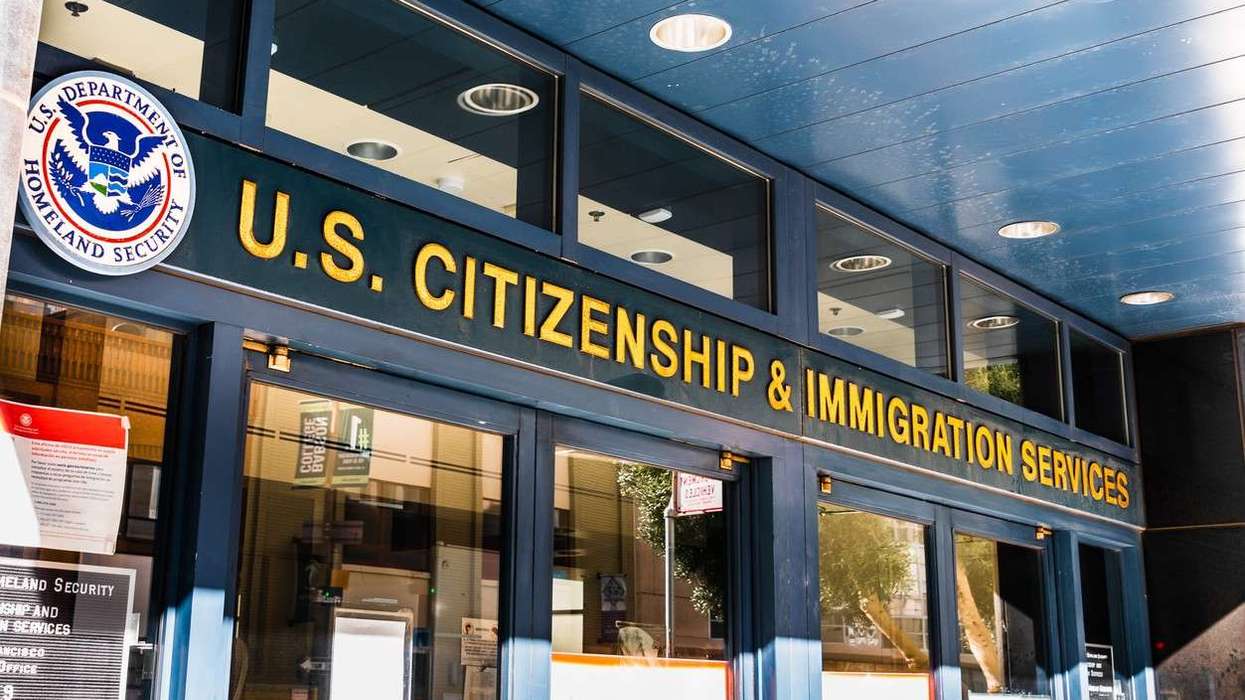
U.S. Citizenship and Immigration Services said the supplemental visas are available only to businesses that would suffer irreparable harm without the ability to employ the H-2B workers requested, as attested by employers on a new form. The visas will be allocated to employers seeking H-2B workers for the late season, with start dates from May 1 to Sept. 30.
“To help U.S. businesses with different start dates, the supplemental visas will be distributed in three allocations, including two in the second half of FY 2026,” the Federal Register notice said.
Maietta said the association has long supported additional workforce visas and, as demand rises ahead of major 2026 events, remains committed to advocating workforce policies that support tourism, local economies and small hotel owners and employees.
Under the expansion, 46,226 of the 64,716 additional visas will be reserved for returning workers—those who held H-2B status in one of the past three fiscal years, the Federal Register said. The remaining 18,490 visas will be open to all workers. USCIS said the cap increase is based on time-limited statutory authority and will not apply in future fiscal years.
Distribution of H-2B visas
H-2 visas, H-2A and H-2B, allow temporary or seasonal work. H-2A covers agricultural workers, while H-2B applies to nonagricultural workers, according to the U.S. State Department. Employers must show there are not enough U.S. workers who are able, willing, qualified and available to do the work. They must also show that hiring H-2B workers will not affect U.S. workers’ wages or working conditions. Even for permanent jobs, petitioners must demonstrate a short-term need for temporary workers.
“We also urge Congress to modernize the H-2B program, advance commonsense reforms that reduce red tape for returning workers and pursue workable solutions that grow the legal labor pool while protecting U.S. workers and supporting local economies,” Maietta said.
USCIS will distribute the 64,716 supplemental visas in three allocations. The first allocation covers start dates from Jan. 1 to March 31, with 18,490 visas reserved for returning workers who held H-2B status in fiscal years 2023, 2024 or 2025, the register said.
The second allocation covers April 1 to April 30 and includes 27,736 visas, plus any unused visas from the first allocation. Petitions may be filed no earlier than 15 days after the second-half statutory cap is reached. The third allocation covers May 1 to Sept. 30, 2026, with 18,490 visas plus any unused visas from the first two allocations. Petitions may be filed no earlier than 45 days after the second-half statutory cap is reached.
Separately, demand for the EB-1A visa, or “Einstein visa,” surged in the U.S. after H-1B backlogs, reportedly fueling a market for purchased résumés, research papers, citations and awards. More Indian engineers, product leaders and researchers are filing EB-1A applications.