
- PwC: Manhattan H1RevPAR up 4.5 percent.
- Luxury hotels see highest RevPAR growth.
- NYC inflation reached 4 percent.
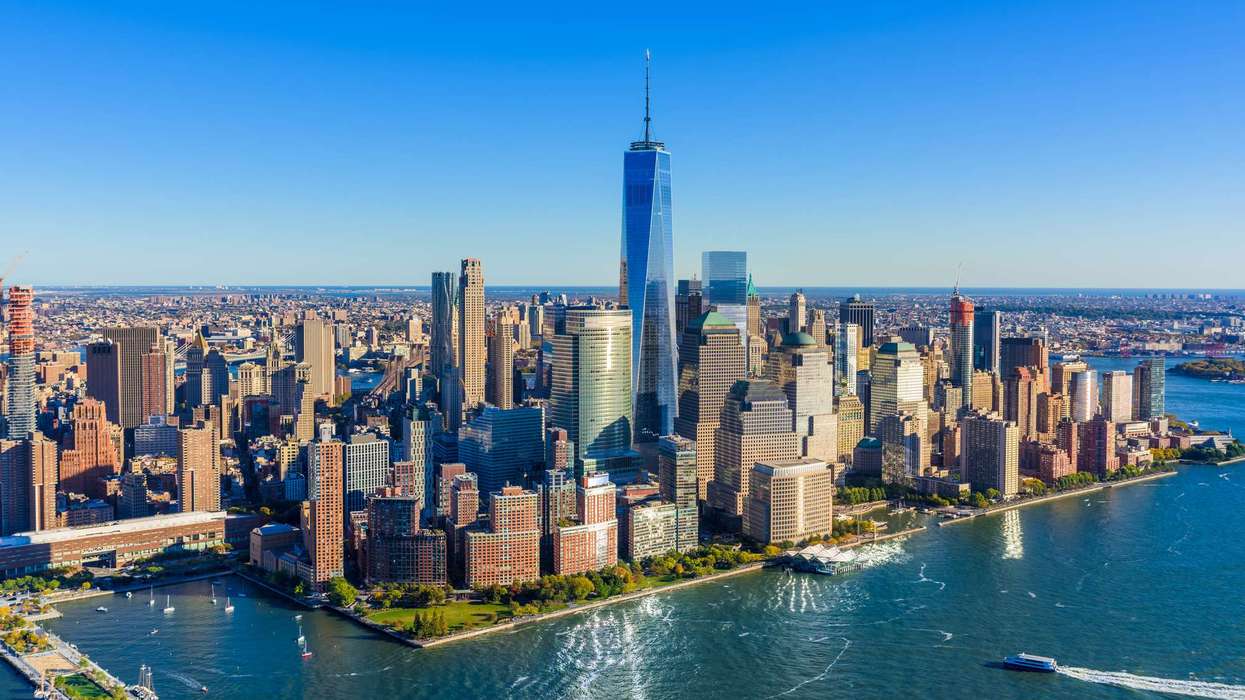
MANHATTAN HOTELS’ REVPAR rose 4.5 percent in the first half of 2026, according to PricewaterhouseCoopers. Occupancy fell 1.7 percent year over year, even as rates climbed.
PwC’s “Manhattan Lodging Index — January to June 2026” found that a 6.3 percent rise in ADR drove the RevPAR gain, with occupancy averaging 80.7 percent during the period.
"Despite a slight dip in occupancy, Manhattan hotels showed strong performance through effective rate management," said Abhi Jain, PwC U.S.’s principal for hospitality and real estate. "Surging hotel sales reflect investor confidence in the long-term fundamentals of the market."
New York City inflation ran at 4 percent in the first half, compared with 3.3 percent nationally, contributing to the rate increases. Midtown South led all submarkets with RevPAR growth of 7.1 percent, while Midtown West posted the smallest gain, at 3.9 percent. Midtown East reversed its 2025 performance, with occupancy falling 3.6 percent.
Luxury hotels recorded the highest RevPAR growth, at 7.9 percent. Full-service hotels grew RevPAR 5.3 percent, compared with 3.4 percent for limited-service properties.
Hotel sales more than doubled from the first half of 2025, reaching $934 million across nine transactions. The Ritz-Carlton Central Park sold for $320 million, the largest deal of the period, followed by the $203 million sale of INNSiDE New York NoMad. Chambers Hotel recorded the second-highest price per room, at about $864,000.
Four hotels opened in the first half, adding 1,328 rooms. IHG Hotels & Resorts accounted for three of the properties — Kimpton Ashbel, Voco Times Square South and Kimpton Era Hotel — while Hotel 38 New York City joined Hilton's Tapestry Collection.
Supply remained constrained, giving operators continued pricing power. PwC said stricter zoning regulations could delay or cancel proposed projects, limiting future development.
Manhattan's office market recovery is supporting hotel demand. Office leasing reached 17.7 million square feet in the first half, up 12.6 percent year over year, while vacancy fell to its lowest level since the third quarter of 2021. Financial services, legal and artificial intelligence companies drove the leasing gains, which PwC expects to support corporate travel and midweek hotel demand as companies expand their footprints and return workers to offices.
New York-area air traffic fell 2.1 percent, including a 4.2 percent decline in international travelers. An international soccer tournament generated less hotel demand than expected, though bars and restaurants saw more activity on match days.
PwC expects economic and geopolitical uncertainty, stricter immigration enforcement and longer visa-processing times to weigh on international travel. Rising corporate profits and the office recovery are expected to support hotel demand, keeping rate management central to performance through the rest of the year.
A January PwC report said the U.S. lodging industry is recalibrating, with RevPAR growth of 0.9 percent projected for 2026. Average occupancy is expected to reach 62 percent, while inflation, supply growth and AI-driven changes in travel behavior and hotel operations pose challenges.