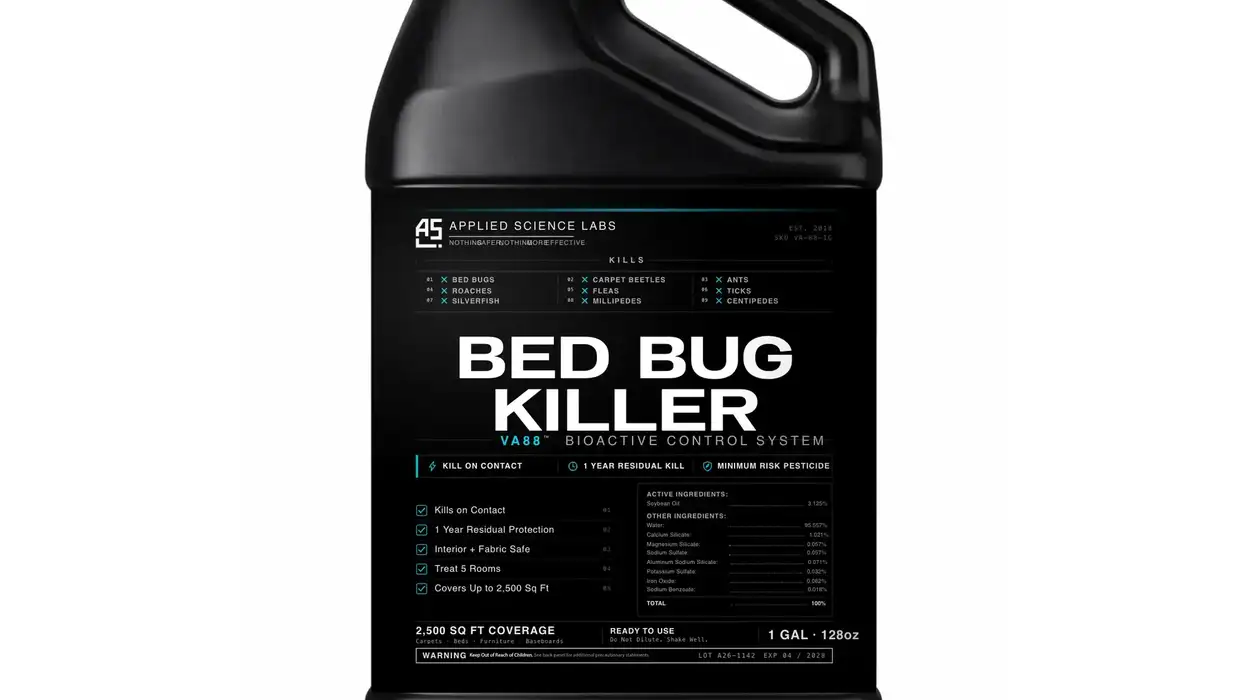

- Bed bug eggs can hatch after initial treatment
- Residual activity keeps working for up to a year
- Prevention protects guests, reviews and your bottom line
By Michael Kraft, President, Applied Science Labs
FOR HOTEL GUESTS, few experiences are more unpleasant than discovering bed bugs in their room. Whether they spot the insects themselves or wake up with red bite marks, the experience can leave them frightened, upset and angry. It is even more distressing when children or other family members are affected.
For hotel operators, these incidents can quickly become a nightmare. Guest complaints, negative online reviews and potential financial consequences can affect a property’s reputation long after the problem itself has been addressed.
If you have ever faced an unhappy guest at your front desk after a bed bug encounter, you know exactly what we mean. And if you have read the online reviews that sometimes follow, you understand how damaging they can be.
If you haven’t faced this problem yet, chances are you eventually will, unless you take steps to prevent it.
So, what can be done?
At Applied Science Labs, we began looking for answers in 2008, when we were invited to join a team examining what was then an emerging bed bug problem. At the time, infestations appeared to be concentrated in a few major cities. Today, bed bugs are a widespread concern.
Our research soon showed that bed bugs present some unique challenges.
Unlike many other insects, they do not carry food back to a nest. They typically emerge at night while people are asleep and feed on blood. Because people are their main food source, the food-based baits that work against many other pests are ineffective against them. They are also extremely good at hiding and are often hard to detect until their population has grown considerably.
Perhaps most concerning is their ability to survive long periods without feeding. Under certain conditions, bed bugs can live for as long as 11 months without a blood meal.
Left untreated, an infestation can spread throughout a property and become extremely difficult to control. In one case, an 11-story motor lodge was closed by the health department because of a severe bed bug problem. Situations like this show how quickly a manageable problem can escalate.
One of the biggest challenges, however, is the bed bug egg.
A substantial portion of a bed bug population may be in the form of eggs, which are difficult to reach during treatment. These eggs can hatch within roughly 10 to 14 days. As a result, killing only the adult insects present during the initial treatment may not be enough. Newly hatched bed bugs can emerge shortly afterward, creating the need for another treatment.
For a hotel, this can mean added expense, operational disruption and rooms taken out of service while the problem is addressed. More importantly, it creates another opportunity for a guest to encounter bed bugs and share that experience online.
Why a lasting solution matters?
Early in our work, it became clear that an effective solution needed to do more than kill the bed bugs present at the time of application. It also needed to provide what we call a “leave-behind kill”: a residual effect that keeps working after the initial treatment.
Ideally, this residual activity should last long enough to address bed bugs emerging from surviving eggs, and even those introduced into a room at a later date.
That became the focus of our development work.
In 2012, Pest Control Technology magazine published an article titled “After the Treatment,” reporting on a one-year field study of our newly developed formulation.
The study covered 20 treated rooms, which were inspected monthly over the course of a year. According to the reported findings, bed bugs introduced into a room that had been treated 12 months earlier died following exposure. No live bed bugs were found during the monthly inspections of the treated rooms throughout the study period.
For us, this was an important development in bed bug management.
The formulation was engineered specifically for this purpose rather than adapted from an off-the-shelf product. It was developed to kill bed bugs on contact while providing extended residual activity. It is designed to be odorless, cause no damage to property and be easy to apply, with residual activity lasting up to one year when used as directed.
From Elimination to Prevention
What does this mean for hotel operators?
It means a single treatment can do more than address the immediate infestation. Its residual activity is intended to keep working as eggs hatch over the following days, helping eliminate newly emerged bed bugs without necessarily requiring another application.
It also means that bed bugs that remain hidden and emerge later may come into contact with treated surfaces and be eliminated. And if new bed bugs are brought into a treated room during the period of residual activity, the treatment is designed to provide continued protection.
In other words, the approach is not limited to treating an existing problem. It also offers a preventive dimension. The title of that 2012 article captured our thinking well: what matters most is what happens after the treatment.
For the hospitality industry, this distinction matters. Hotel operators should not have to wait for a guest complaint before thinking about bed bug management. Preventive measures can help reduce the risk of recurring infestations, protect the guest experience and minimize the disruption of repeated treatments.
Being proactive is always better than being reactive. It lets hotel owners and operators focus their time and resources on what matters most: running their properties, serving their guests and growing their businesses.
At Applied Science Labs, we believe science can play an important role in making that possible.
Michael Kraft is President of Applied Science Labs. AAHOA members can receive a special 15 percent offer by visiting: https://www.appliedsciencelabs.co/aahoa or emailing sales@appliedsciencelabs.co.