
- Guest spending is projected to reach nearly $805 billion in 2026, AHLA said.
- Hotel tax revenue totaled $85.1B in 2025 and is projected to near $87B in 2026.
- Hotel employment is projected to rise by more than 30,000 jobs to about 2.2M.
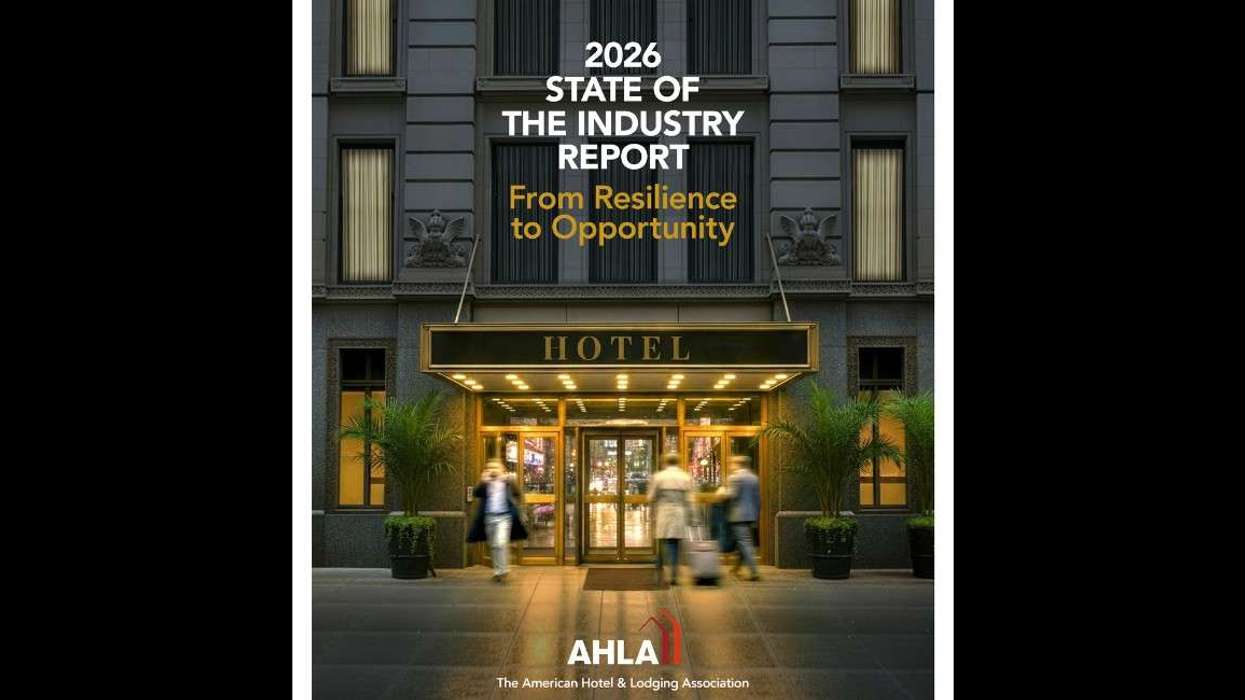
HOTEL GUEST SPENDING is expected to reach nearly $805 billion in 2026, a 1.7 percent increase over 2025, according to the American Hotel & Lodging Association. The group projects improved opportunity from major global events, such as the FIFA World Cup and America250, as the industry continues to invest in hiring and operations.
AHLA’s “2026 State of the Industry” report found that hotels generated $85.1 billion in local, state and federal taxes in 2025, up $1.7 billion from 2024. The association projects that total to reach nearly $87 billion in 2026.
“AHLA’s State of the Industry report is clear in its message: hotels continue to deliver economic value in every community and we expect to see improvement over the last challenging year,” said Rosanna Maietta, president and CEO of AHLA. “Even as operating costs remain elevated and profitability lags in many markets, hotels supported more than two million jobs last year and generated tens of billions of dollars in tax revenue for governments at every level. This year, we expect consumer spending to rise and our workforce to expand—showing some positives amid ongoing market challenges.”
Rising operating expenses kept gross operating profit per available room at about 90 percent of 2019 levels, the report said. Additionally, the industry paid nearly $128 billion in wages and benefits in 2025 and is projected to reach about $131 billion in 2026, AHLA said. The hotel workforce is expected to grow by more than 30,000 jobs in 2026, bringing direct hotel employment to about 2.2 million.
The SOTI report said domestic leisure travel remains the largest share of U.S. travel activity, while international inbound travel remains below pre-pandemic levels, a headwind for destinations that rely on overseas visitation and high-spend travelers.
In 2025, hotels operated amid cost inflation, uneven recovery across markets and shifting travel patterns, the association said. While domestic demand remained stable, the report noted that stability does not equate to a return to pre-pandemic fundamentals once inflation and expense growth are considered.
AHLA’s report said sustained growth will depend on a supportive operating and policy environment, including measures to facilitate travel, address costs and strengthen workforce development.
A recent PricewaterhouseCoopers report found the U.S. lodging industry is recalibrating, with RevPAR growth of 0.9 percent projected for 2026. Average occupancy is expected to reach 62 percent, while inflation, supply growth and AI-driven changes in travel behavior and hotel operations pose challenges.