
- NYC Mayor Mamdani banning hidden hotel fees and credit holds.
- Hotels and booking sites must display total costs upfront.
- The rule comes as NYC prepares for 1.2 million World Cup visitors.
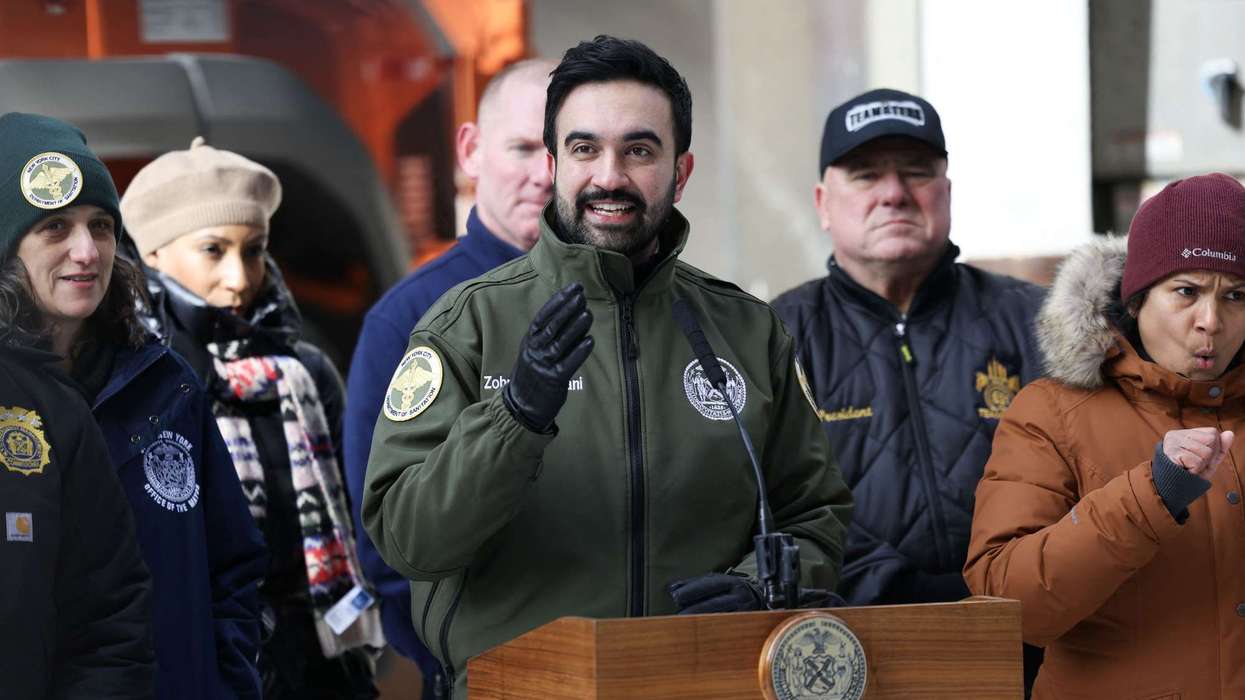
NEW YORK CITY Mayor Zohran Mamdani announced a final rule banning hidden hotel fees and undisclosed credit card holds or deposits, effective Feb. 21. The rule applies to all hotels and booking platforms advertising to New York consumers, regardless of location.
Hotels and booking platforms must display the total cost upfront, ending the practice of revealing additional fees late in the booking process, the mayor’s office said in a statement. The rule also requires disclosure of mandatory credit card holds or deposits.
“This new rule will ensure that New Yorkers and visitors alike are not stuck paying hidden hotel fees and will save millions of dollars each year,” Mamdani said. “Whether you’re visiting the five boroughs for the World Cup or leaving our city for a vacation, you deserve to know how much a hotel costs up front. In just three weeks, our administration has made it clear that deceptive business practices do not have a home here—and city hall will always fight for New Yorkers to know exactly what they’re paying for.”
City officials said these practices “cheat consumers and hurt small businesses.” In 2025, the Department of Consumer and Worker Protection received more than 300 complaints about hidden hotel fees or unexpected holds. The rule is modeled on a Federal Trade Commission regulation that makes it deceptive to advertise a hotel price without showing the total cost, including all mandatory fees.
DCWP Commissioner Sam Levine said travelers deserve to know the full cost of a hotel, whether visiting for the World Cup or traveling elsewhere.
“This final rule delivers on affordability and DCWP will use its full enforcement authority to ensure hotels comply with the laws and rules of our city,” he said. “We will be vigilant to ensure consumers have transparency in their transactions and that workers’ rights are respected.”
The rule comes as New York prepares for the FIFA World Cup, expected to bring more than 1.2 million visitors to the New York and New Jersey region. Hotel prices could rise around opening matches and city officials said the ban protects visitors and local consumers from unexpected costs.
“This rule will protect consumers coming to New York City and New Yorkers traveling elsewhere around the country,” Mamdani said.
Economists estimate that banning hotel junk fees could save consumers more than $46 million in 2026.
Industry reaction supportive
Vijay Dandapani, president and CEO of the Hotel Association of New York City, which represents more than 300 hotels, endorsed the new rule.
“The hotel industry strongly supports rules to prevent hidden fees and to protect our customers and has been outspoken about this issue in the past,” he said. “We will work with the Mamdani administration to ensure that these new rules achieve those goals while also ensuring that hotels that obey the law and treat customers fairly are not unduly affected.”
Labor groups also welcomed the announcement. Rich Maroko, president of the Hotel and Gaming Trades Council, said the rule protects both consumers and workers.
Hotels in the city also are subject to consumer and worker protections, including the Hotel Service Disruption Act, which requires notification of service changes and the Safe Hotels Act, which prohibits illegal subcontracting.
A recent CoStar report revealed that New York City and Phoenix will add the most U.S. hotel rooms in 2026, with 4,852 in NYC and 3,650 in Phoenix.