
- AHLA: NYC’s proposed budget may raise hotel costs, threaten jobs.
- A 9.5 percent Real Property Tax increase could further strain hotel finances.
- The association raised concerns about changes to the corporate tax structure.
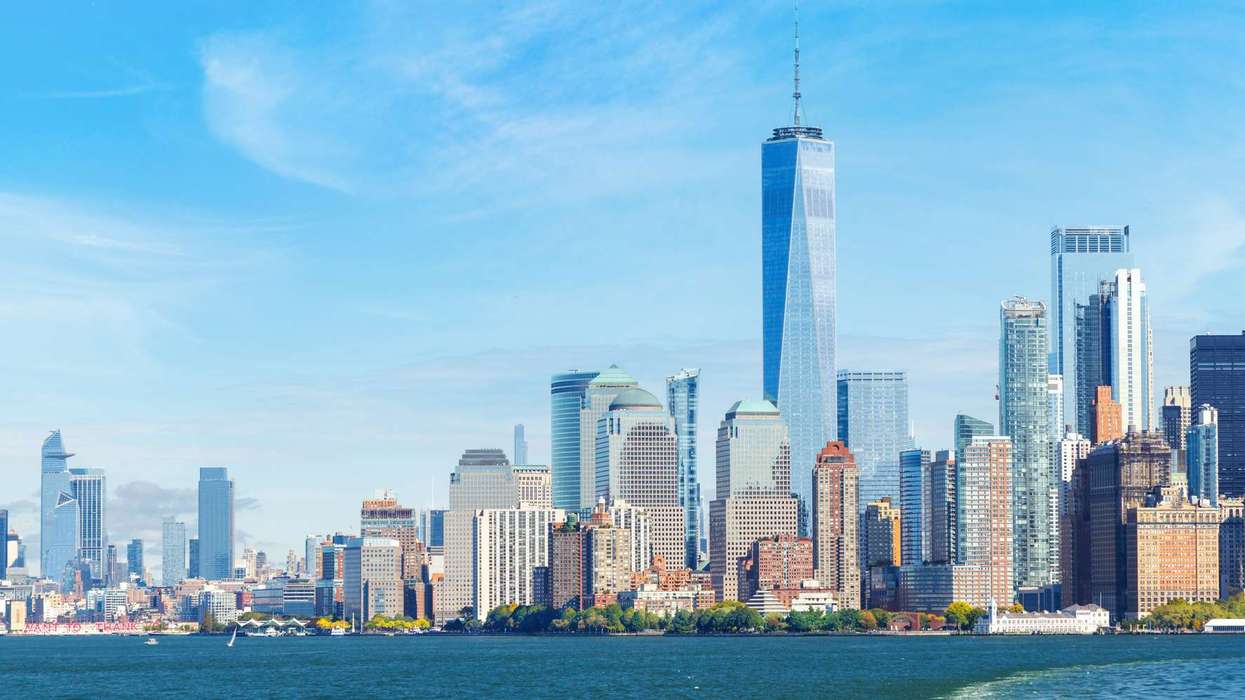
NEW YORK CITY’S proposed fiscal year 2027 budget may raise hotel costs and threaten jobs, according to the American Hotel & Lodging Association. A 9.5 percent increase in the real property tax could further strain hotel finances as operating costs rise.
In testimony to the New York City Council’s Committee on Economic Development, AHLA urged policymakers to consider the cumulative impact of tax increases and policy-driven costs on the hotel industry.
“Hotels are a cornerstone of the New York City economy, supporting hundreds of thousands of jobs and generating critical tax revenue,” said Rosanna Maietta, AHLA president and CEO. “At a time when international travel demand has yet to fully rebound, it is essential that policymakers avoid imposing additional burdens that could slow the industry’s recovery. A strong hotel sector is vital to the city’s broader economic health and we urge the city council to pursue policies that support growth, investment and competitiveness rather than measures that risk putting New York at a disadvantage.”
Sarah Bratko, AHLA vice president and policy counsel, said that hotels support hundreds of thousands of jobs and generate billions in tax revenue each year in New York City.
“As the city evaluates its budget priorities, policymakers must ensure new policies do not undermine one of New York’s most reliable economic engines,” she said in testimony.
The association’s testimony also raised concerns about changes to the corporate tax structure and the pass-through entity tax, which could increase costs for hotel owners, including those structured as partnerships or S corporations and businesses that support NYC hotels. It warned that the increase in the city’s real property tax could further strain hotel finances as operating costs rise.
Advantages and challenges
“Hotels cannot relocate when operating costs become unsustainable,” Bratko said. “When taxes and costs rise too quickly, hotels have fewer resources to reinvest in their properties, support employees and attract visitors in an increasingly competitive travel market.”
According to Oxford Economics, hotel guests spend about 38.4 billion dollars annually across the five boroughs, supporting restaurants, retailers, cultural institutions and small businesses. Each hotel room night generates about 1,168 dollars in visitor spending, contributing to about 4.9 billion dollars in local, state and federal tax revenue in 2026.
The hotel and lodging industry supports nearly 264,000 jobs in New York City, about 5 percent of the workforce, the association said. Since the pandemic, average hotel wages have increased more than 15 percent faster than wages in the broader economy.
Despite upcoming events such as the FIFA World Cup and America250 celebrations, hotel operators face cost pressures. Over the past five years, operating costs have increased about four times faster than revenue, driven by labor, insurance, utilities, compliance and construction costs.
Local policies, including the 2021 Hotel Permitting ordinance and the 2024 Safe Hotel Act, have increased operating costs, while global economic uncertainty continues to raise construction and renovation costs.
International travel, a key driver of New York City’s tourism economy, has declined. In 2025, the New York City Tourism Office reported a five percent drop in international visitors. These travelers spend an average of $4,000 per trip, more than domestic visitors. Declines in international visitation can have a greater impact on hotels and businesses that rely on tourism.
In January, NYC Mayor Zohrán Mamdani announced a rule banning hidden hotel fees and undisclosed credit card holds or deposits, effective Feb. 21. The rule applies to hotels and booking platforms advertising to New York consumers, regardless of location.