
Hyatt’s 2025 India Expansion: Jaipur, Kochi, and Beyond
HYATT HOTELS CORP. plans to open six new hotels in India and one in Nepal in 2025 following the signing of 21 property agreements across India and Southwest Asia in 2024. The expansion focuses on lifestyle brands like JdV and Andaz, with plans to introduce the recently acquired Standard Hotels brand to the region.
The company aims to operate 100 hotels in India within the next five years.
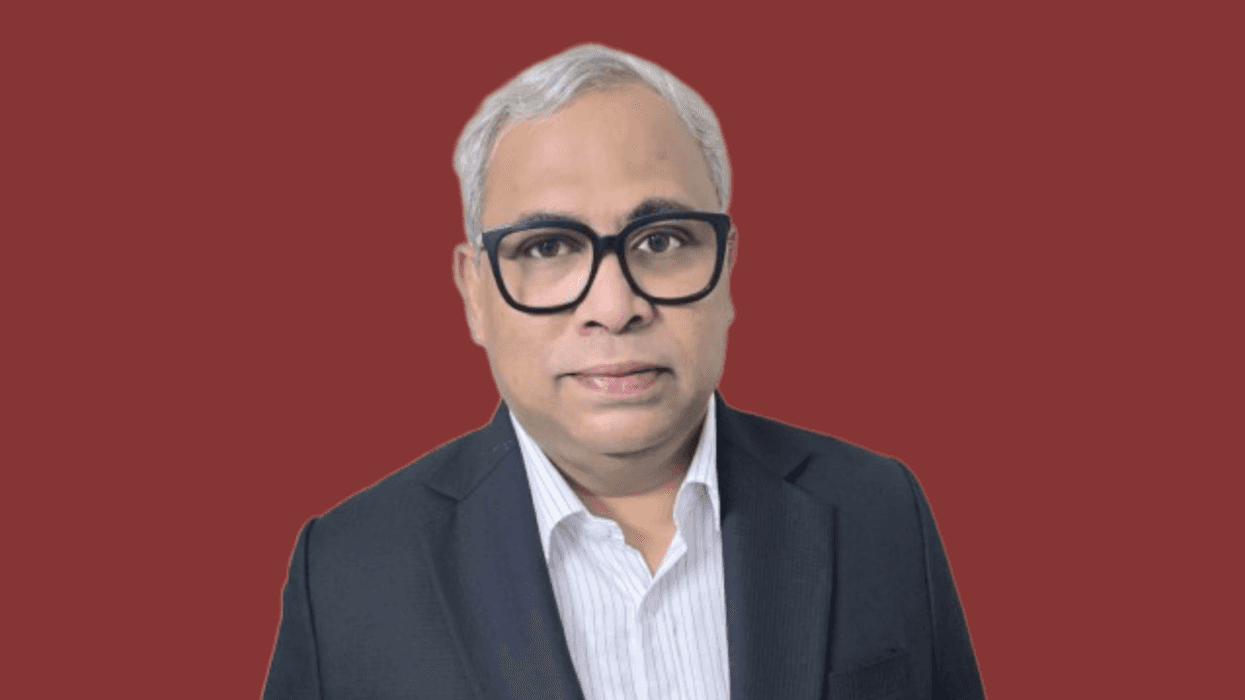
“2024 marked a watershed year for Hyatt in India and Southwest Asia, with unprecedented growth and the successful signing of 21 new properties across diverse markets,” said Sunjae Sharma, Hyatt’s managing director for India and Southwest Asia. “This momentum propels us forward, and we’re committed to continued innovation and excellence in the region.”
This year’s six new hotels will open in Ghaziabad, Uttar Pradesh; Kasauli, Himachal Pradesh; Kochi, Kerala; Bhopal, Madhya Pradesh; Vithalapur, Gujarat; and Jaipur, Rajasthan, along with one in Butwal, Nepal. The locations reflect a mix of business, religious and leisure destinations, catering to both domestic and international travellers.
Hyatt’s 2024 growth included strategic signings across key segments, including plans for:
- Hotels in major business hubs like GIFT City, Greater Noida, and expanded presence in Mumbai and Bengaluru.
- New properties in leisure and cultural destinations including Vrindavan, Kumbhalgarh, Katra, Kandaghat, Jim Corbett National Park and Pushkar.
- Growth in popular getaway spots like Goa and Jaipur.
- Expansion of the Andaz and JdV by Hyatt brands, reflecting strong demand for Hyatt’s lifestyle portfolio.
- Two new signings in Nepal, underscoring the brand’s appeal to international travellers.
- Introduction of Destination by Hyatt, the company’s 10th brand in India.
India is Hyatt’s third-largest and one of its fastest-growing markets globally, with 50 properties currently in operation. The company recorded strong double-digit growth across performance metrics such as signings and RevPAR in 2024, building on a 33 percent RevPAR increase in 2023.
Sharma said the region’s travel ecosystem is rapidly evolving, with rising demand for unique experiences, wellness and luxury.
“Hyatt is well-positioned to meet these demands, and we are excited to introduce new brands and experiences that will redefine hospitality in India,” he said. “Looking ahead to 2025, we aim to build on this momentum with ambitious expansion plans and a goal of 100 hotels in India within the next five years, reflecting our confidence in the region’s potential and our commitment to leading the hospitality industry in India.”
Bangkok-based Dusit International re-entered India after a decade, signing six hotels totaling around 800 keys. The company is targeting tier-two and tier-three cities with limited upscale options, having launched its luxury retreat dusitD2 Fagu in Shimla in December.