
- H-1B bottlenecks drive demand for the “Einstein visa” and fake credentials.
- Indian engineers and researchers filing EB-1A applications.
- Ghostwritten papers, paid citations, and fake awards are sold on Telegram and WhatsApp.
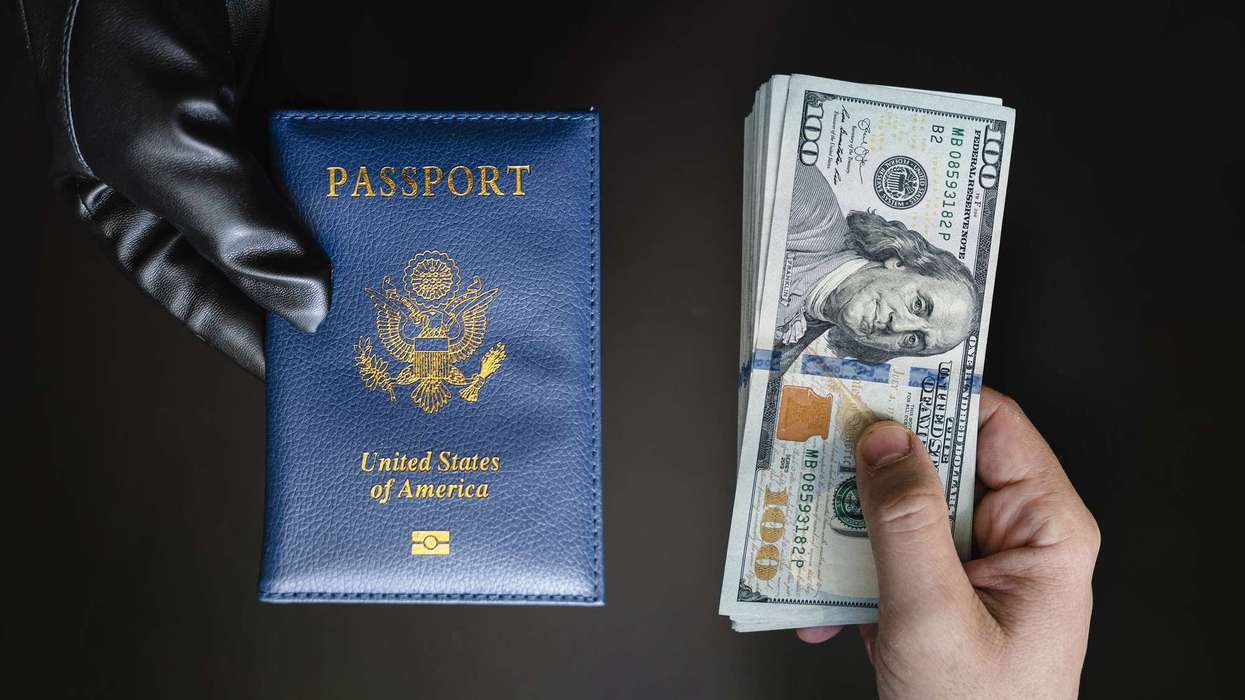
DEMAND FOR THE EB-1A visa, known as the “Einstein visa,” surged in the U.S. after H-1B bottlenecks, reportedly fueling a market for purchased résumés, research papers, citations and awards. More Indian engineers, product leaders and researchers are filing EB-1A applications.
U.S. law caps employment-based visas at 140,000 per year, with a 7 percent limit per country, according to CBS News. This creates long waits for applicants from India and China, leading many to seek the EB-1A visa, which does not require employer sponsorship.
CBS News cited U.S. Citizenship and Immigration Services data showing nearly 7,500 EB-1A petitions filed from April to June 2025, up from about 2,500 in the last quarter of 2021. Approval rates fell from roughly 67 percent to 50 percent as demand exceeded annual visa limits.
The EB-1A is an immigrant visa for individuals with extraordinary ability in science, arts, business, or athletics who have national or international recognition, according to USCIS. Applicants must show a major achievement, such as a Nobel Prize, or meet at least three of 10 criteria, including publishing scholarly articles or holding key roles in recognized organizations.
Indians lead EB-1A applications
A growing number of Indian engineers, product leaders and researchers are filing EB-1A applications based on patents, publications, industry awards and leadership roles, Business Standard reported in November. Data from the Cato Institute shows that as of 2023, 53,879 Indians were waiting in the EB-1A green card queue, followed by Chinese nationals.
“If you have money, then you have a way to buy your evidence and fabricate those things,” said a former USCIS official who spoke anonymously to CBS News about internal fraud investigations. Investigators said the surge coincided with an underground market where applicants buy ghostwritten papers, paid citations and fabricated awards to boost EB-1 credentials.
"They've been put in a situation that's untenable, which increases desperation and risk-taking," Loren Locke, an immigration attorney, told CBS News.
Researchers said low-quality or plagiarized papers are appearing in both predatory and legitimate journals. Luis Amaral of Northwestern University cited cases where editors allowed nearly anything to be published, letting brokers sell authorship slots.
The industry uses platforms like Telegram and WhatsApp to sell ghostwritten papers, paid citations and fabricated awards to scientists and tech professionals, CBS News investigation found. Some brokers admit the practice is unethical and it has increased scrutiny and flagging of fraudulent submissions.
Former participants told CBS News they paid about $10,000 each and later believed some program credentials were effectively purchased. CBS News found multiple successful EB-1A applicants shared the same vanity award, which immigration attorneys said can be bought for a fee.
"USCIS is committed to rooting out fraud by thoroughly screening and vetting all aliens seeking immigration benefits," agency spokesman Matthew Tragesser wrote in a statement to CBS News. "Anyone submitting fake evidence or misrepresenting themselves will be found out and face the consequences."
The U.S. Embassy in India recently issued an advisory for B1/B2 visitor visa applicants, explaining which activities are allowed and prohibited in the U.S. amid tighter visa enforcement under the Trump administration’s immigration crackdown.