
- Extended-stay projects total 2,352 with 236,219 rooms.
- Luxury and upper-upscale project counts reach records.
- Supply growth is forecast to reach 1.5 percent in 2028.
EXTENDED-STAY PROJECTS ACCOUNTED for 40 percent of the U.S. hotel construction pipeline at the close of the third quarter, according to Lodging Econometrics. The pipeline totaled 5,901 projects with 692,999 rooms.
LE’s “Q3 2026 U.S. Hotel Construction Pipeline Trend Report” found that extended-stay hotels accounted for 2,352 projects with 236,219 rooms, representing 34 percent of rooms in the total pipeline.
Luxury and upper-upscale project counts reached record highs. Luxury totaled 108 projects with 25,776 rooms, also a record by rooms, up 14 percent by projects and 19 percent by rooms year over year. Upper upscale reached 375 projects with 66,028 rooms, up 3 percent by projects.
Pipeline and performance
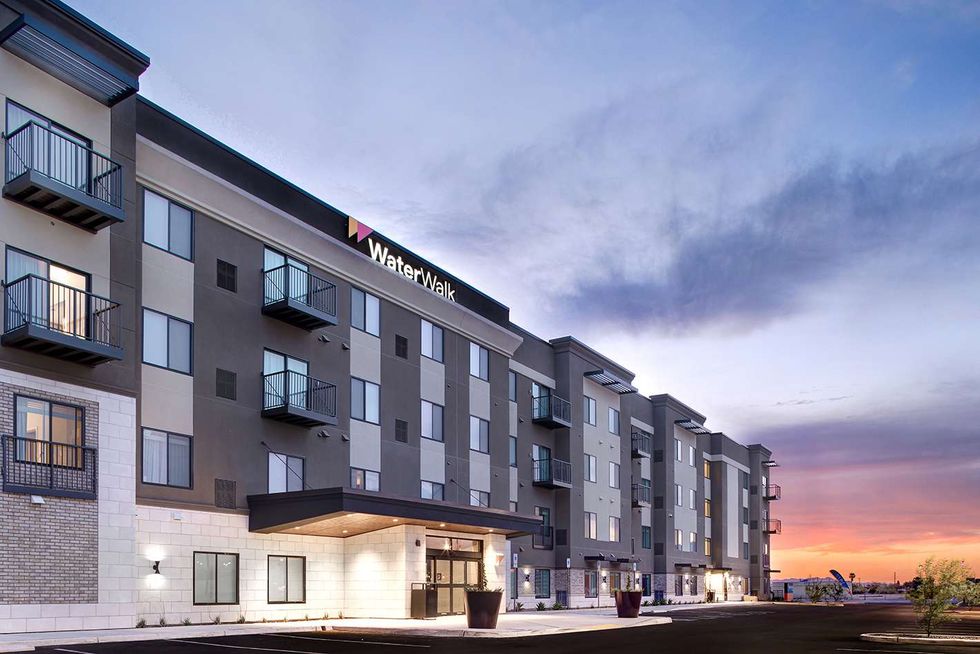 Mid-tier extended-stay brands accounted for 69 percent of projects and 28 percent of pipeline. Photo credit: Wyndham Hotels & Resorts
Middle-tier extended-stay brands accounted for 1,628 projects with 152,287 rooms. That is 69 percent of extended-stay projects and 28 percent of total U.S. pipeline projects. Upper-tier extended-stay projects totaled 575 with 66,866 rooms, and lower-tier projects totaled 149 with 17,066 rooms.
Of the extended-stay projects, 424 with 44,689 rooms were under construction. Another 1,006 with 102,999 rooms were scheduled to start construction within 12 months, up 2 percent by projects and 1 percent by rooms year over year. Early planning included 922 projects with 88,531 rooms.
Operating data show the segment strengthening. The Highland Group’s First Half Year 2026 report found that extended-stay room revenue rose 9 percent in the second quarter, its largest quarterly gain in more than three years. RevPAR increased 4.2 percent, the largest gain in 13 quarters. Demand grew 6 percent, the largest quarterly increase since the first quarter of 2022. ADR rose 2.8 percent, the largest gain since the third quarter of 2023.
Extended-stay rooms under construction fell 30 percent year over year at the end of the second quarter, according to The Highland Group. The firm has said fewer rooms under construction should keep 2026 extended-stay supply growth below the long-term annual average.
Projects by stage, chain scale
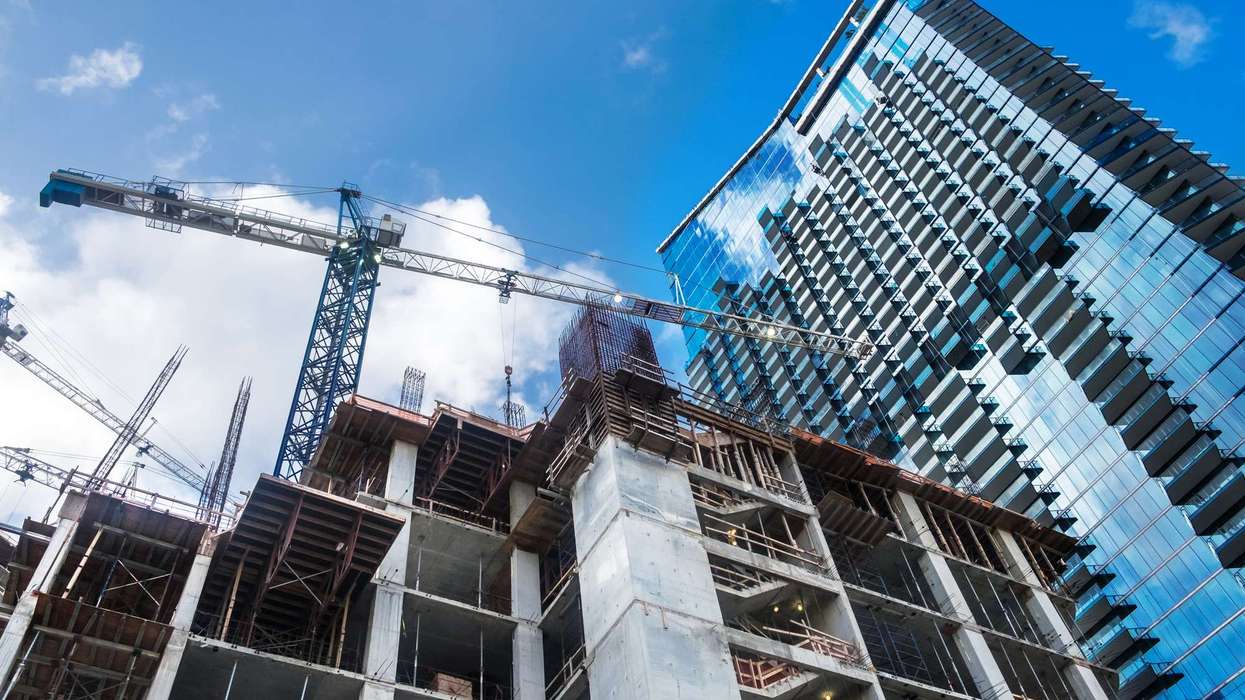
 The U.S. pipeline included 1,094 construction, 2,175 upcoming, and 2,632 planned projects.Photo credit: iStock
Across the U.S. pipeline, 1,094 projects with 137,371 rooms were under construction. Another 2,175 projects with 246,793 rooms were scheduled to start construction within 12 months, and 2,632 projects with 308,835 rooms were in early planning. Construction starts in the third quarter totaled 152 projects with 19,106 rooms. New project announcements totaled 195 projects with 22,016 rooms.
Upper midscale had the largest project count, with 2,206 projects and 211,553 rooms. Upscale followed with 1,257 projects and 157,225 rooms. Together, the two chain scales accounted for 66 percent of projects and 63 percent of rooms. Midscale totaled 918 projects with 76,487 rooms.
Brand conversions totaled 1,516 projects with 146,544 rooms, up 3 percent by projects year over year. With 525 renovation projects totaling 105,365 rooms, the renovation and conversion pipeline reached 2,041 projects with 251,909 rooms.
The pipeline also included 1,506 shared-site projects with 149,303 rooms. A shared site is a single property where more than one hotel or lodging brand operates. Of these, 264 projects with 29,021 rooms were under construction. Another 607 with 58,364 rooms were scheduled to start within 12 months, and 635 with 61,918 rooms were in early planning. Upper midscale accounted for 44 percent of shared-site projects.
Openings and outlook
 The U.S. is projected to add 68,191 rooms in 2026, increasing supply 1.2 percent.Photo credit: iStock
Through the third quarter, 407 hotels with 46,031 rooms had opened in the U.S. Another 191 hotels with 22,160 rooms were expected to open by year-end. Lodging Econometrics forecast 598 openings with 68,191 rooms for 2026, a 1.2 percent supply increase.
The firm forecast 668 openings with 72,667 rooms in 2027, a 1.3 percent supply increase. For 2028, it projected 775 openings with 86,377 rooms, a 1.5 percent increase.
Across the broader market, demand growth is expected to moderate. Colliers’ 2026 U.S. Hospitality Outlook Report cites a Green Street forecast of 1.3 percent lodging demand growth in the top 50 U.S. markets in 2026. That is below the 2 percent average annual growth recorded from 2006 to 2019.