
- Visitor numbers rose by just 20,000 in 2025.
- America250 lifted hotel performance.
- NFL Draft attendance must draw business.
WASHINGTON, D.C., IS turning to major sporting events and conventions to support hotel demand as visitor growth slows. The strategy will test whether large events can sustain the district’s hotel performance beyond one-off celebrations and peak-demand periods.
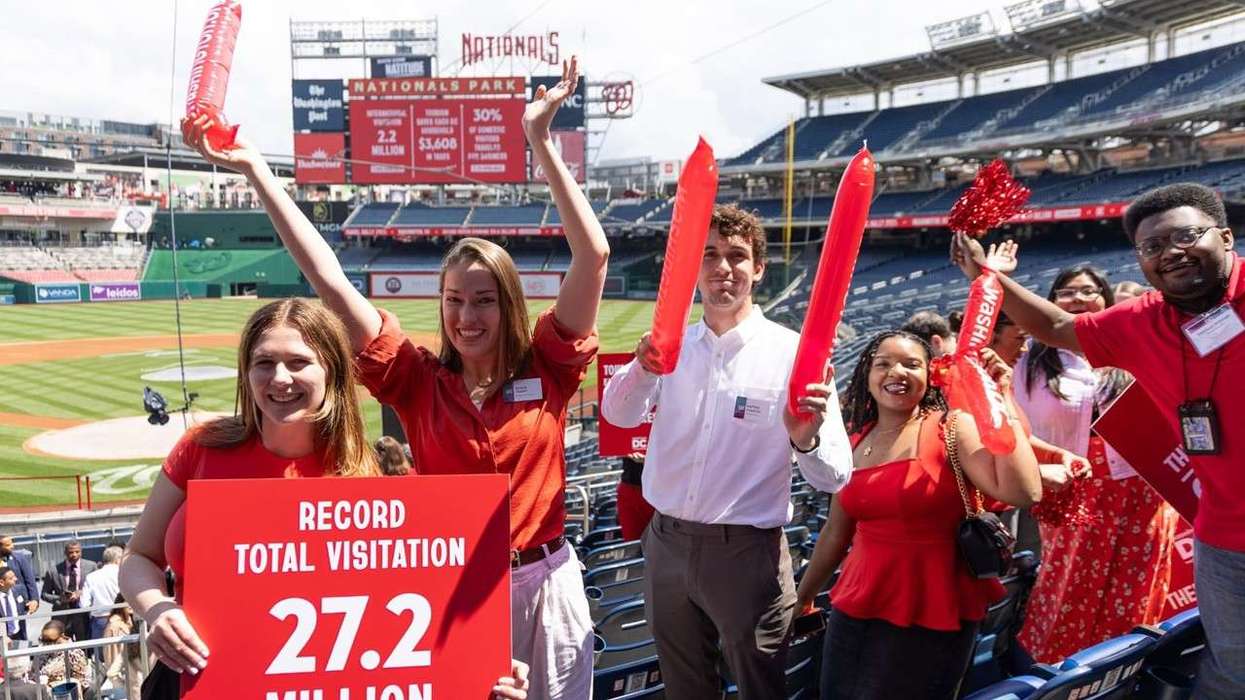
D.C. welcomed 27.2 million visitors in 2025, just 20,000 more than a year earlier, according to Destination DC. Visitor spending rose 4 percent to a record $11.9 billion. The figures point to a widening gap between visitation and spending, although they do not show how much of the increase came from higher prices rather than longer or more expensive trips.
International visitation fell 4 percent to 2.1 million, according to Destination DC, which says international visitors spend four times as much per trip as domestic visitors. Nationally, overseas visitor arrivals to the US fell 7 percent year over year in July 2026, according to the National Travel and Tourism Office, clouding the outlook for international demand.
In the week ending July 4, Washington recorded a 57.3 percent year-over-year increase in RevPAR to $149.78, the largest gain among the top 25 US hotel markets, CoStar reported. CoStar attributed the gain to America250 celebrations. For the week ending Sept. 19, occupancy reached 82.3 percent, up 10.7 percent year over year, while RevPAR rose 23.9 percent to $194.23.
America250 raises the bar for 2027
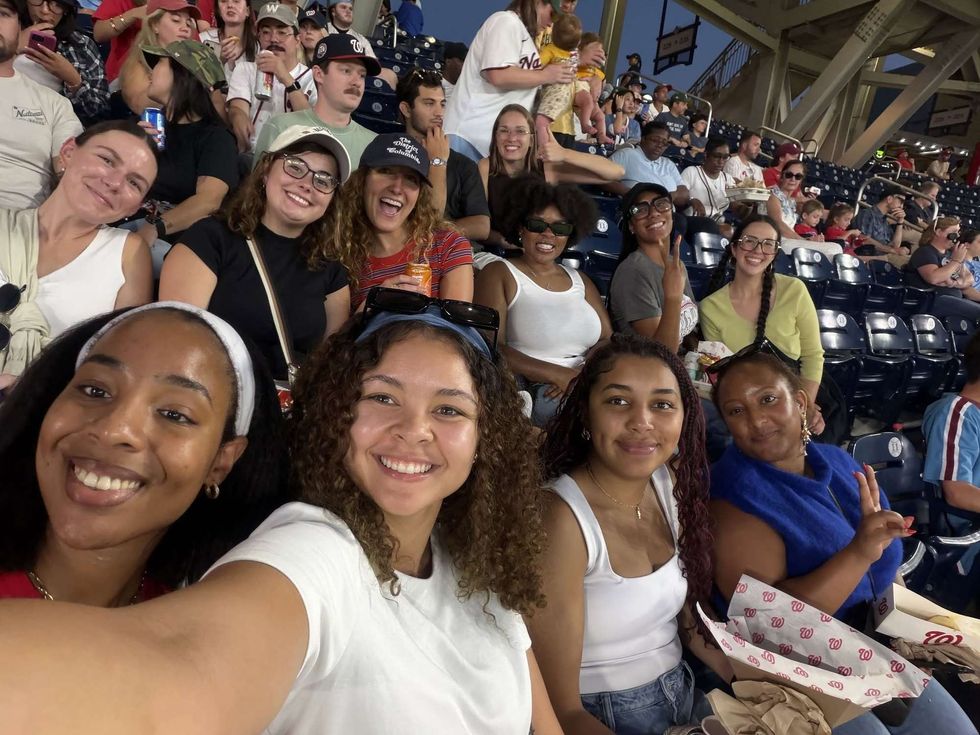 America250\u2019s one-off demand surge sets a tough benchmark for DC hotels in 2027. Photo credit:\u00a0Destination DC/Facebook
One-off events can also distort later comparisons. In January 2026, Washington, D.C., posted the steepest RevPAR decline among the top 25 US markets, down 31.3 percent to $76.36, which CoStar attributed to comparisons with the 2025 presidential inauguration. America250 could have a similar effect on 2027, leaving the city to find other sources of demand as anniversary-related travel recedes.
Destination DC is positioning sports as a key driver, according to its September strategy announcement. The calendar includes the National Women’s Soccer League championship at Audi Field on Nov. 21, 2026, the men’s Frozen Four in April 2027 and the NFL Draft from April 29 to May 1, 2027, when the league expects one million attendees.
Marketing resources are tighter. Destination DC’s hotel tax allocation fell from 1.97 percent to 0.97 percent in fiscal 2026, and its advertising budget was cut by two-thirds despite a $6 million earmark from the DC Council, the organization said. It expects partial restoration in fiscal 2028. That makes 2027 the year Washington must lean hardest on events while marketing the least,
Attendance isn’t occupancy
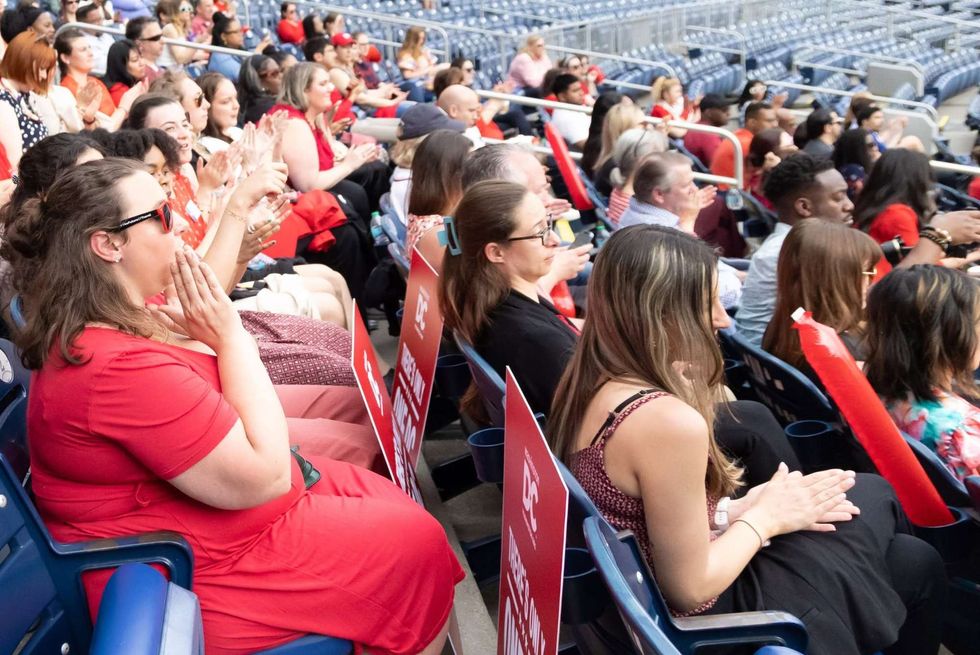 Large event crowds don\u2019t automatically translate into hotel bookings or overnight stays. Photo credit: Destination DC/Facebook
Pittsburgh’s 2026 NFL Draft drew 805,000 attendees, with 43 percent traveling from outside a 50-mile radius, according to preliminary figures from VisitPITTSBURGH. Downtown hotels reached 92 percent occupancy on peak nights, while countywide occupancy averaged 75 percent during the event. Washington’s results will depend on where visitors live, how long they stay and whether they extend trips beyond the event.
Booked conventions provide another demand source. Citywide conventions are estimated to generate 390,000 hotel room nights and $317 million in economic impact in 2026, Destination DC said in its September outlook. For 2027, booked citywide conventions account for a projected 459,000 room nights and about $371 million in economic impact.
Takeaways for hotels
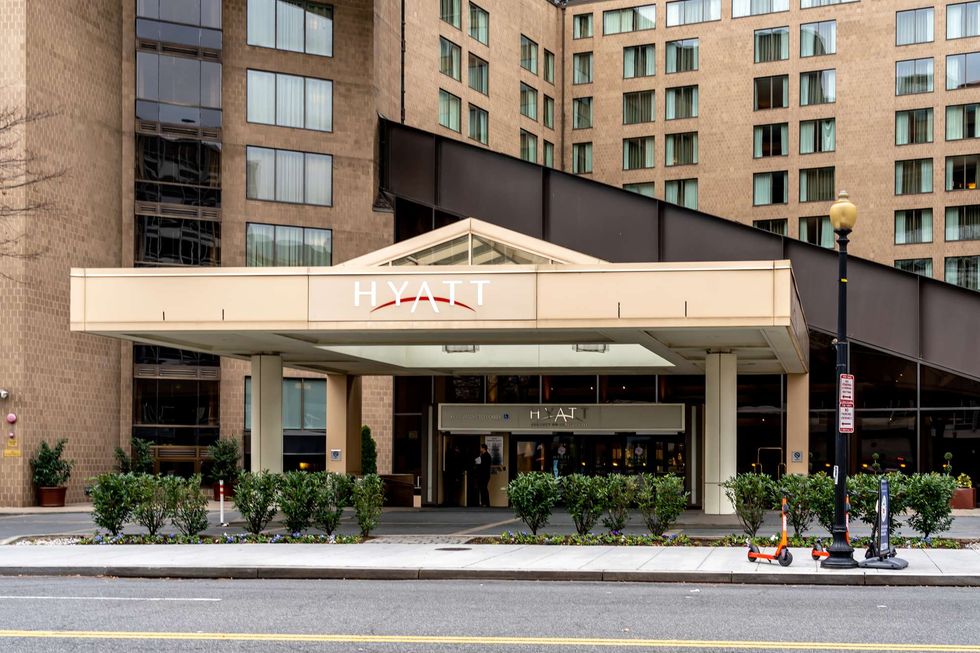 Washington\u2019s sports strategy hinges on turning event crowds into overnight hotel stays. Pictured is the Hyatt Regency Washington on Capitol Hill. Photo credit: iStock
For owners and operators, revenue management firm IDeaS recommends tailoring minimum-stay requirements to each major event and building event strategy jointly across leadership, revenue management and sales teams. It also cautions that event pricing can make regular guests hesitate to book.
Investors should separate event-driven peaks from underlying performance, as the inauguration and America250 comparisons show. Developers face a high bar for new building: HVS reports that elevated debt and construction costs continue to constrain US hotel supply, with full-service projects costing a median $467,000 per room. Renovation opportunities should be weighed against those costs, not judged on event proximity alone.
Washington’s sports strategy offers a route to hotel growth, but its success will depend on converting crowds into overnight stays and sustaining demand between major events.