
- Travel teams handle more than bookings.
- Two-thirds of travel managers report understaffing
- AI leadership remains unclear at many travel programs.
The study, “A View From the Inside: How Are Modern Travel Programs Structured, Staffed and Managed,” was released by the Global Business Travel Association in partnership with Cvent. GBTA surveyed 270 travel managers in North America and Europe from Sept. 22 through Oct. 1.
“Corporate travel management is becoming more connected and strategic, even as teams remain lean,” said Suzanne Neufang, GBTA CEO. “As travel managers take on broader responsibilities, companies need to provide the right structure, skills and support to help them succeed.”
Lean teams, wider responsibilities
Corporate travel teams do more than book trips. They help manage travel risks, handle expenses and choose payment providers, often with small teams. Travel programs have an average of 4.9 full-time employees who spend at least 75 percent of their time on travel. The median is three.
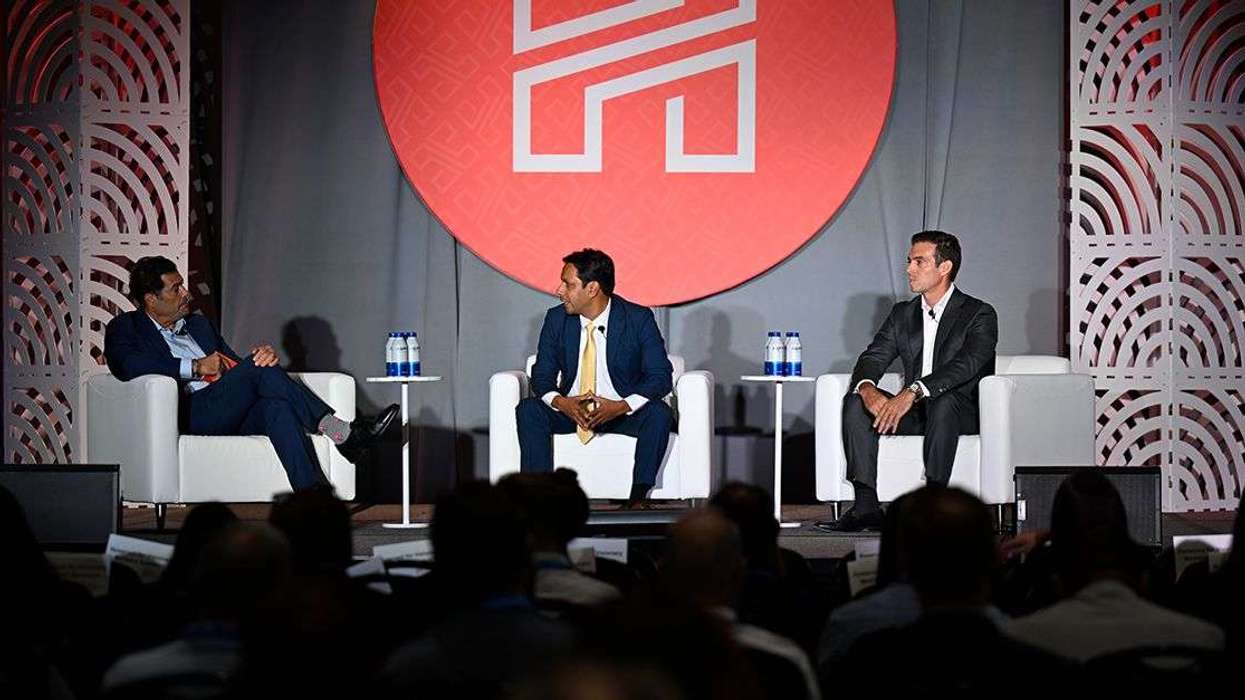
 Corporate travel teams handle multiple responsibilities with limited staff.Photo credit: iStock
Team size depends partly on how much an organization spends on travel. Programs spending less than $10 million a year average 2.8 employees, compared with 7.6 at programs spending $30 million or more. Travel teams also take on work beyond travel itself. They help manage risk at 88 percent of organizations, choose payment products and providers at 66 percent and manage expenses at 63 percent.
Many teams rely on generalists who handle different tasks. Forty-five percent of travel managers say most team members have varied duties, while 20 percent say most are specialists. Data analysis and reporting is the skill respondents most want to improve, cited by 35 percent.
Travel and meetings work together
The report also found that travel and meetings are becoming more closely linked. Thirty-nine percent of travel buyers say the two are more connected than before, while 7 percent say they are less connected. Travel teams help manage meetings at 58 percent of organizations and handle meetings sourcing at 57 percent. At 23 percent of organizations, one team manages both.
 Travel and meetings teams are increasingly working together.Photo credit: iStock
The overlap also reaches hotel sourcing. Fifty-five percent of travel teams sometimes manage room blocks for meetings, while 48 percent negotiate meeting space or group room rates through their regular hotel request for proposal process. This brings travel and meetings teams into the same hotel discussions.
Many organizations see value in closer teamwork. Eighty-two percent of respondents say greater collaboration would offer at least some benefit, while 64 percent expect some or significant benefits. The most common benefits are keeping travel and meetings data together, cited by 76 percent and getting greater savings and discounts, cited by 74 percent.
Travel teams take on AI
Travel teams are also taking on AI work. At 28 percent of organizations, the travel team leads AI efforts. Another 21 percent say it works with another department. At 27 percent of organizations, no one is leading the work, while 13 percent say another team, such as IT or information security, is in charge.
General-purpose AI tools such as Microsoft Copilot and ChatGPT are the most widely used. Custom-built AI tools and Model Context Protocols are less widely used or understood.
AI policies are not clear to everyone, either. Fifty-seven percent of respondents say their travel program follows a company-wide AI governance policy. Fifteen percent say it does not and 17 percent are unsure. The results leave a sizable share of travel managers uncertain about the rules guiding AI use in their organizations.
A recent FCM Consulting report found that rising airfares, changing hotel rates and travel disruptions are making it harder for companies to manage business travel costs.