
- AI answers rely more on booking, review sites.
- Open questions affect hotel visibility.
- Perplexity hotel visibility rose to 70 percent.
Across all locations, the median visibility rate was 63 percent. This means a property was named or cited in 63 percent of AI answers. For hotels and resorts, the median visibility rate for open questions was 54 percent.
Where the answers come from
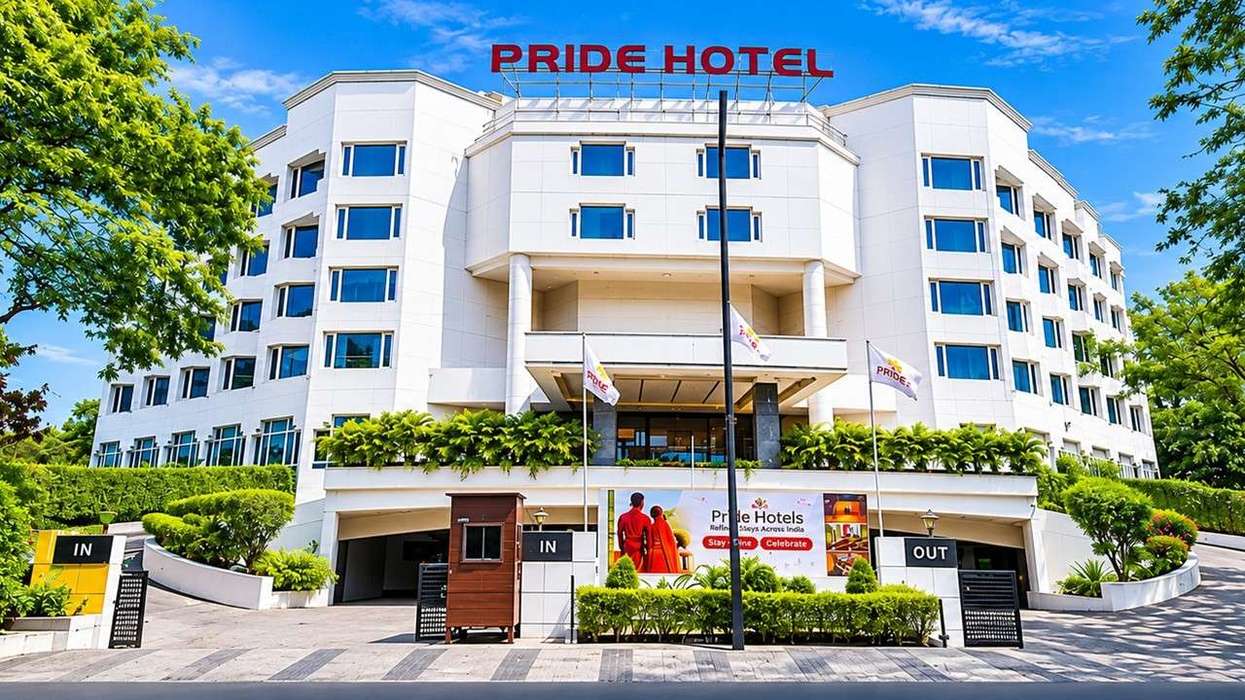
A hotel's own website appeared in 45 percent of answers for the median hotel. However, hotel websites accounted for only 8 percent of all sources cited by AI engines. Booking sites made up 21 percent of citations, while travel media and other businesses each accounted for 14 percent. Review sites made up 11 percent.
 AI engines cited hotel websites in only 8 percent of answers.Photo credit: iStock
Among individual websites, Expedia appeared in 29.2 percent of hotel answers, Tripadvisor in 26.8 percent and Booking.com in 24.5 percent. For the median hotel, 49 percent of answers to open questions named or cited an online travel agency.
The report also found that answers citing a booking listing named or cited the hotel 65 percent of the time. When no booking listing appeared, the rate was 56 percent. Review pages showed a smaller difference of five percentage points. Answers citing blogs, guides and list articles were less likely to mention the hotel. The report says these findings show a link between the sources AI engines cite and hotel visibility, but they do not prove that one causes the other.
AI engines generally described hotels positively when they mentioned them. For the median hotel, 94 percent of mentions were positive and fewer than 1 percent were negative. However, the median property received 44 percent of the mentions among the competitors it tracked.
Asking by name versus asking openly
The way travelers ask questions affects whether AI engines mention a hotel. When travelers include a hotel's name in a question, AI engines mention it in almost every answer. But when travelers ask open questions, such as which hotel is best for pet owners in a city, the engines has to choose from several properties.
For these open questions, the median property was named or cited in 55 percent of answers across the hospitality sample. For hotels and resorts alone, the rate was 54 percent.
The type of question also affected visibility. Comparison questions, which ask AI engines to compare two or more hotels, had the highest visibility rate at 75 percent. However, they accounted for only 2 percent of answers and came from a small sample. The report cautions that this figure should not be treated as a market-wide measure.
Commercial questions, such as asking for the best boutique hotel in a city, made up 73 percent of hospitality answers. The median visibility rate for these questions was 55 percent. Local questions, such as asking for hotels near a landmark, had the lowest rate at 50 percent across the wider hospitality sample.
Each engine works differently
The five AI engines used different sources when answering questions about hotels. Gemini relied most on booking sites, which made up 24 percent of its citations. ChatGPT most often cited websites of other businesses, at 18 percent. Google AI Overviews cited hotel websites in 15 percent of its sources, the highest share among the five engines. Booking sites accounted for 7 percent.
Hotel visibility also changed from July to September. Perplexity's visibility rate increased from 65 percent to 70 percent and 72 percent of hotel brands recorded an increase. Google AI Overviews declined from 57 percent to 52 percent. The average number of hotels named in its answers to open questions also fell from 2.65 in July to 1.89 in September.
 Perplexity visibility rose, while Google AI Overviews declined.Photo credit: iStock
The report found no clear visibility advantage for branded hotels over independent properties. Brand-affiliated hotels were named or cited in 47 percent of answers to open questions, compared with 55 percent for independent hotels.
Separately, the AIHA and HEDNA released a catalogue showing how hotels are using AI across different business functions. It identified 109 use cases across 39 hotel systems from 198 industry submissions.