
- WTTC: Iran conflict costs travel sector $600 million a day.
- Middle East handles 5 percent of global arrivals and 14 percent of transit traffic.
- Travel demand usually rebounds quickly after security incidents.
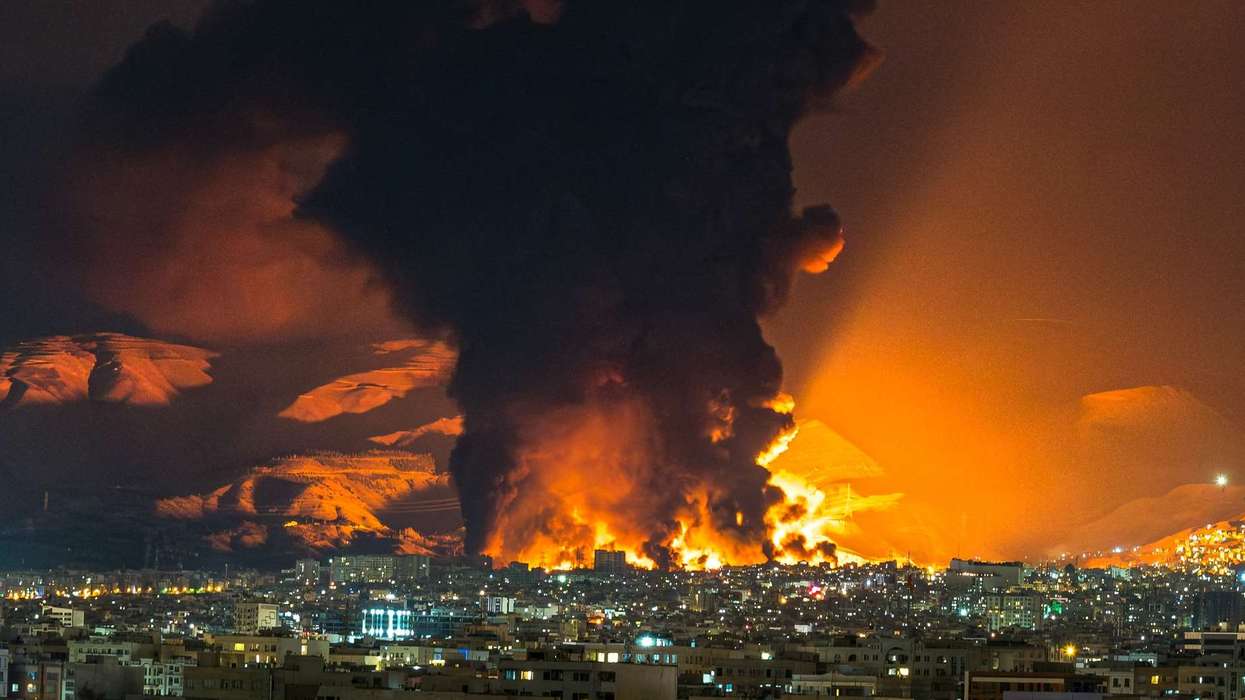
CONFLICT IN IRAN is costing the global travel and tourism sector $600 million per day in international visitor spending, according to the World Travel & Tourism Council. Disruptions to air travel, traveler confidence and regional connectivity are reducing demand across the Middle East.
The Middle East accounts for about 5 percent of global international arrivals and 14 percent of international transit traffic, WTTC said in a statement. The U.S.-Israel and Iran war affected travel demand worldwide, impacting airlines, airports, hotels, car rental operators and cruise companies.
“Travel and tourism is the most resilient of sectors,” said Gloria Guevara, WTTC president and CEO. “The impact of international visitor spending across the Middle East averages around $600 million per day. History shows the sector can recover quickly, especially when governments support travelers through hotel assistance or repatriation. Our analysis of previous crises shows that security-related incidents often see the fastest tourism recovery times, sometimes in as little as two months, when governments and industry work together to restore traveler confidence.”
WTTC, representing the private travel and tourism sector, monitors developments and coordinates with governments and industry to support traveler safety and strengthen the global tourism sector.
Major regional aviation hubs—Dubai, Abu Dhabi, Doha and Bahrain—normally handle about 526,000 passengers per day but have faced operational disruptions and temporary closures, affecting regional and global connectivity, WTTC found.
The WTTC analysis uses its 2026 pre-conflict forecast for the Middle East, which projected about $207 billion in international visitor spending for the year. Disrupted travel flows can quickly cause economic losses across the tourism sector.
The council further said travel and tourism remains a resilient global economic sector, with data from past crises showing demand can recover quickly after security-related incidents when governments and industry respond effectively.
WTTC commends governments that have acted to support recovery efforts.
“Clear communication, coordination between public and private sectors and measures that ensure safety and stability are critical to rebuilding traveler trust and supporting recovery,” the council said.
There were reports of thousands of U.S. travelers stranded in the Middle East after U.S. and Israeli air operations against Iran triggered retaliatory attacks. Lawmakers and travelers criticize the administration for poor planning and unclear evacuation guidance.